


The Backlash Against the Bottle
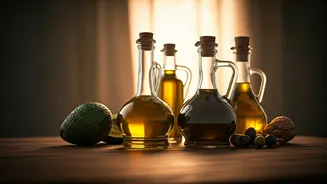
For years, the convenient, hyper-sweet spreads in plastic jars and glass bottles have been a breakfast staple. They are quick, kid-friendly, and universally available. However, a growing number of urban consumers are starting to read the labels more closely.
The high sugar content, long lists of preservatives, stabilisers, and the often-controversial use of palm oil are giving people pause. This shift isn't just about calories; it's about a deeper desire for 'clean' food. The modern Indian kitchen is becoming more discerning, actively questioning what goes into the family's diet. The move away from processed spreads is a conscious health choice, prioritising nutrient-dense, natural ingredients over industrial convenience. It's a quiet rebellion against the idea that breakfast needs to be a sugar rush to be satisfying.
A Spoonful of Nostalgia
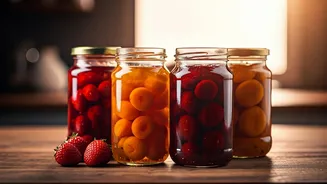
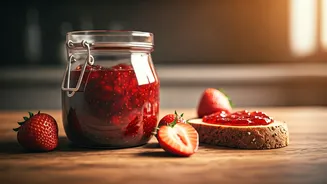
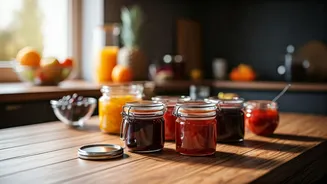
This trend is powered by more than just nutritional science; it's steeped in emotion. For many, the aroma and taste of a well-made mango preserve evoke powerful memories of childhood summers, of watching mothers and grandmothers painstakingly peeling, chopping, and stirring giant pots of fruit to make pickles and murabbas for the year ahead. These homemade concoctions were pure, seasonal, and made with love. The current turn towards fresh preserves is, in many ways, an attempt to reconnect with that authenticity. In a fast-paced urban life that can feel disconnected from tradition, a simple spoonful of mango jam on toast can be a grounding experience. It’s a taste of home, a link to a slower, more deliberate way of life that many city dwellers secretly crave.
The Rise of the Artisanal Maker
This shift in consumer demand has fueled a vibrant cottage industry. All over the country, small-batch, artisanal brands are emerging, often run by passionate food entrepreneurs who started in their own kitchens. Leveraging the power of social media platforms like Instagram and direct-to-consumer (D2C) websites, these makers are reaching customers who are willing to pay a premium for quality. They highlight their use of single-origin fruits, traditional recipes, and the absence of artificial additives. Their transparency is a key selling point. When you buy from them, you often know where the mangoes came from, who made the preserve, and exactly what’s inside. This movement also ties into the larger 'Vocal for Local' sentiment, where consumers feel good about supporting small, homegrown businesses over large multinational corporations.
Beyond the King of Fruits
While mango, the undisputed king of Indian fruits, is the star of this trend, the movement is diversifying. Artisanal makers are reviving interest in a wide array of indigenous fruits that were once common in household preserves but have been forgotten by mass-market producers. You can now find exquisite preserves made from jamun (Java plum), phalsa (Indian sherbet berry), karonda (Bengal currant), and even tart starfruit or sweet-and-sour amla (Indian gooseberry). This exploration of India's botanical diversity is exciting for consumers, offering a whole new world of flavours for their breakfast tables. It’s a delicious education in India's agricultural heritage, one jar at a time.
From Buying to Making
The trend has also inspired a wave of DIY enthusiasm. Spurred by lockdown hobbies and a desire for ultimate control over ingredients, many are now trying their hand at making preserves at home. Online workshops, YouTube tutorials, and family recipes passed down through WhatsApp have made the process more accessible than ever. People are experimenting with lower-sugar versions using jaggery or dates as sweeteners, and adding Indian spices like cardamom, saffron, or cinnamon for a unique twist. This hands-on approach represents the final step in reclaiming the breakfast table—not just choosing a better product, but creating it oneself, turning a simple meal into a personal and rewarding act.