



Day 1: Brew Day and Assembly
Your kombucha journey begins with making a batch of sweet tea. For a one-gallon batch, bring about four cups of filtered water to a boil, remove it from the heat, and dissolve one cup of regular cane sugar. Steep 6-8 black or green tea bags for about 10-15
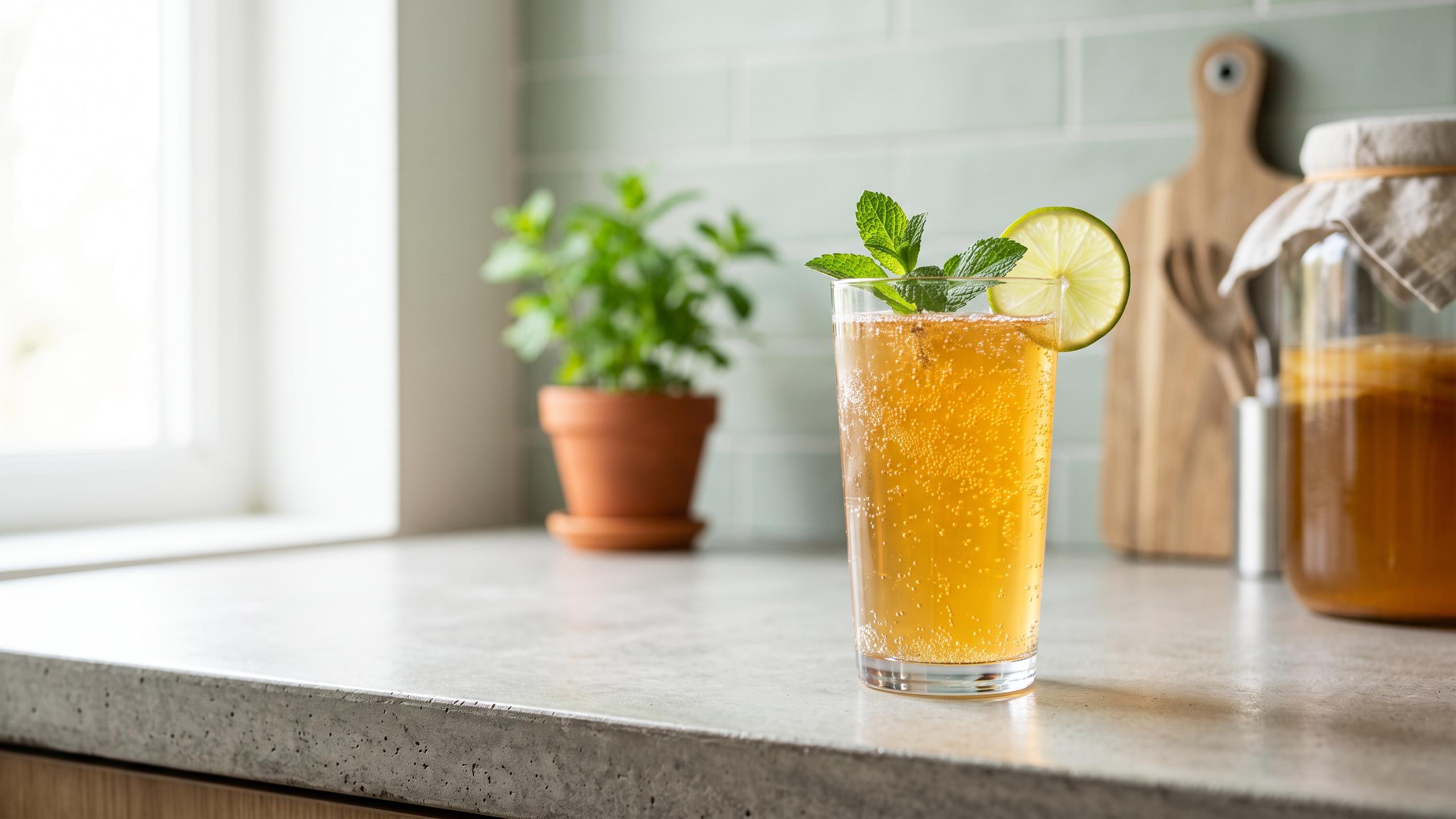
minutes. Once the tea is steeped, remove the bags and add the remaining cold filtered water to make a gallon, which helps cool it down faster. The most critical step here is patience: the tea must cool completely to room temperature, ideally between 21-27°C. Adding your SCOBY (Symbiotic Culture of Bacteria and Yeast) and starter tea to hot liquid can harm the delicate microorganisms. Once cooled, pour the sweet tea into a large glass jar, then gently add your SCOBY and at least one to two cups of unflavored starter tea from a previous batch or the liquid your SCOBY came in. Cover the jar with a tightly woven cloth or coffee filter and secure it with a rubber band.
Days 2-6: The First Fermentation Begins (F1)
Place your jar in a warm spot away from direct sunlight. An ideal temperature range is between 24-29°C. Colder temperatures will slow fermentation, while warmer temperatures will speed it up. For the first few days, you won’t see much action, though your SCOBY may float, sink, or turn sideways, all of which is normal. By day three or four, you might notice small white specks or a translucent film forming on the surface; this is the beginning of a new baby SCOBY, not mold. The liquid will also start to smell slightly more acidic as the yeast and bacteria get to work converting the sugar. Avoid the temptation to disturb or stir the brew during this time, as it can disrupt the formation of the new culture.
Days 7-14: Tasting and Finishing F1
This is when the magic really happens. Starting around day seven, you can begin tasting your kombucha daily to see how the flavor is developing. Simply slip a straw down the side of the jar (avoiding the SCOBY) and take a small sip. In the beginning, it will still be quite sweet. As days pass, the sweetness will fade, and a pleasant tartness will take its place. Most brewers find their ideal balance between 7 and 14 days, though it can take up to 21 days in cooler homes. The kombucha is ready for the next stage when it tastes right to you. A finished primary fermentation should have a pH level between 2.5 and 3.5. Once you're happy with the taste, the first fermentation (F1) is complete.
Bottling and Second Fermentation (F2): 2 to 7 Days
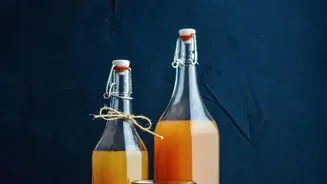
The second fermentation is where you add flavor and create carbonation. First, carefully remove the SCOBY and about two cups of the kombucha liquid from your jar. This will be the starter tea for your very next batch. With the remaining kombucha, you can now add your flavorings. A common method is to add fruit juice, puree, or fresh fruit directly into airtight, pressure-safe bottles, like flip-tops. A good starting point is to fill about 10-20% of the bottle with juice or fruit and top it off with your kombucha, leaving an inch or two of headspace. This stage typically takes 2 to 7 days at room temperature. The added sugar from the fruit will feed the yeast, creating natural fizziness.
The Final Stage: Refrigeration and Beyond
During the second fermentation, it's a good practice to 'burp' your bottles once a day to release excess pressure, especially if using high-sugar fruits. Once the desired level of carbonation is reached (you'll notice it's fizzy when you briefly open a bottle), transfer all the bottles to the refrigerator. The cold temperature will halt the fermentation process and preserve the flavor and fizz. Your homemade kombucha is now ready to drink! For future batches, you can immediately start a new F1 by adding your reserved SCOBY and starter tea to a fresh batch of cooled sweet tea. If you're taking a break, you can store your SCOBY and starter tea in a jar at room temperature for several weeks, known as a 'SCOBY hotel'.