



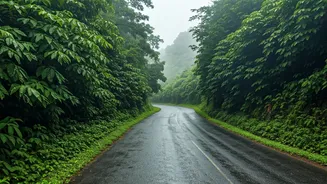


Gujarat’s Lone Hill Station
Nestled in the Dang district within the Sahyadri range, Saputara stands unique as Gujarat's sole hill station. Its name, meaning 'Abode of Serpents', hints at the local tribal heritage where the serpent god is worshipped, especially during festivals like
Nag Panchami. Unlike many Indian hill stations that carry a colonial hangover, Saputara was developed post-Independence, giving it a distinctly local and understated charm. Sitting at an altitude of about 1,000 meters, it offers a pleasant climate year-round, making it a reliable getaway from the heat of the plains without the extreme cold of Himalayan destinations. Its relative obscurity and lack of heavy commercialisation are its biggest assets, offering a slower, more relaxed pace of life for visitors.
Why It Stays Unspoiled
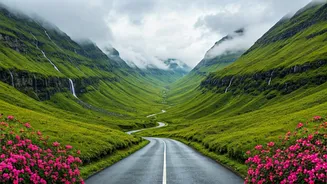
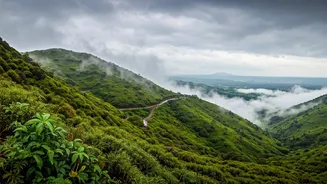
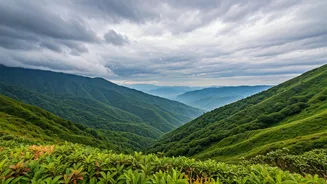
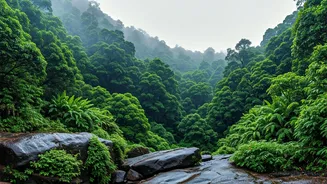
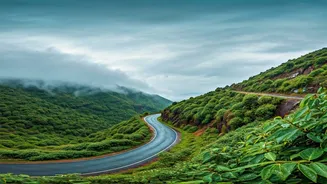
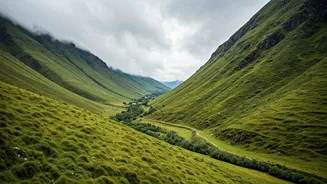
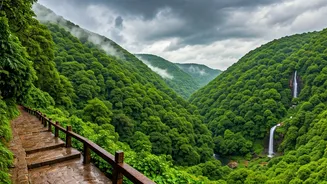
The “anti-crowd” appeal of Saputara isn't an accident; it’s a combination of geography and development philosophy. Being the state's only hill station has allowed for more controlled growth, avoiding the chaotic over-commercialisation seen elsewhere. While popular with tourists from Gujarat and nearby Maharashtra, it hasn't quite hit the national mass-tourism circuit. This means fewer sprawling resorts and more space to breathe. The vibe is less about a frantic checklist of tourist points and more about leisurely soaking in the atmosphere. During the monsoon (July to September), the region transforms into a lush, misty paradise, attracting nature lovers who prefer scenic beauty over bustling markets. Even during its peak winter season (October to February), when the weather is crisp and ideal for sightseeing, it retains a more peaceful feel compared to its more famous counterparts.
A Landscape of Lakes and Legends
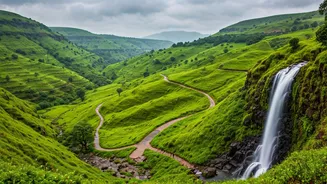
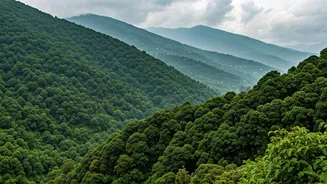
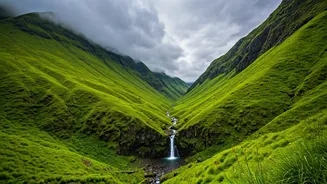
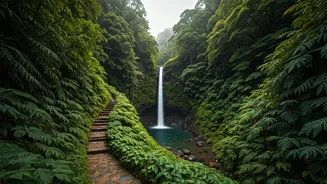
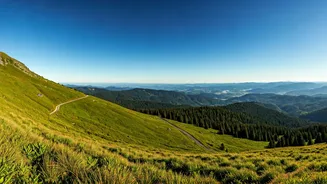
The heart of the town is the serene Saputara Lake, a man-made water body perfect for boating or a quiet stroll along its banks. The surrounding landscape is dotted with viewpoints that offer stunning panoramic vistas. Sunrise Point provides a magical start to the day, while Sunset Point is the perfect spot to watch the sun dip behind the forested hills of the Dang. For a more dramatic natural wonder, the Gira Waterfalls, located about 50 kilometres away, are a must-visit, especially during the monsoon when they are in full flow. For a unique perspective, the ropeway offers a cable car ride from the base to Sunset Point, providing breathtaking aerial views of the valley and lake below.
Culture, Art, and Adventure
Saputara’s appeal extends beyond its natural beauty. The region is rich in tribal culture, which can be explored at the Saputara Tribal Museum. A more immersive experience awaits at the Artist Village, also known as Gandharvapur. Here, you can watch artisans from local tribes like the Bhil, Kunbi, and Warli create traditional handicrafts such as Warli paintings and bamboo artifacts. Visitors can not only purchase these unique items but also participate in workshops. For adventure seekers, Saputara offers a surprising number of activities. The hilly terrain is ideal for trekking, with trails to places like Hatgadh Fort. At Table Point, you can indulge in activities like horse riding and zip-lining, while paragliding offers a thrilling way to see the landscape from above.
Planning Your Tranquil Escape
Reaching Saputara is most convenient by road. It is well-connected to major cities in Gujarat and Maharashtra. The drive from Nashik is just around 80 km, from Surat it's about 160 km, and from Mumbai, it's approximately 250 km. The nearest major railway station is Bilimora Junction, about 112 km away, from where you can hire a taxi or take a bus. The closest airport is in Surat, around 172 km away. The best time to visit depends on your preference. The monsoon months of July to September offer breathtaking greenery and mist-covered landscapes. For clearer skies and pleasant weather ideal for outdoor activities, the post-monsoon and winter period from October to February is perfect. Summer (March to June) is also mild compared to the plains, making it a good time for a quiet retreat.