


The Great Indian Snack-Shift
Snacking in India is no longer just a filler between meals; it's becoming a conscious lifestyle choice. Traditionally, snack time meant samosas, biscuits, or fried namkeen. Today, the landscape is changing. A significant trend sees consumers, especially
in urban areas, reaching for snacks that are high in protein and fibre. The Indian healthy snacks market is growing rapidly, with projections showing a compound annual growth rate of over 8% between 2026 and 2033. This isn't just about a few niche products; it reflects a broader move towards mindful eating, where nutrition is prioritized alongside taste.
The Protein Power Play
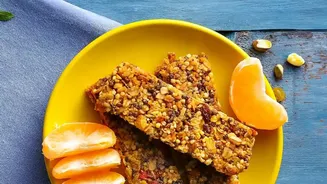
Protein is the new hero of the Indian snack aisle. A recent survey found that a staggering nine out of ten urban Indian consumers actively look for protein-rich foods, a figure much higher than the global average. Another study from 2026 revealed that 86% of respondents consider protein important when choosing a snack. This demand is driven by a rising gym culture, influencer-led nutrition trends, and a general awareness of protein's role in a balanced diet. As a result, products like protein bars, roasted chickpeas, flavoured makhana (fox nuts), and multigrain crackers are becoming staples. The market for protein bars alone is expected to see significant growth, fueled by both fitness enthusiasts and mainstream snackers.
Nuts and Seeds Take Centre Stage
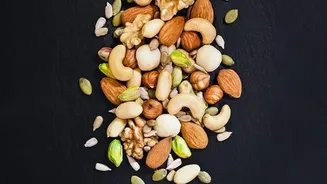
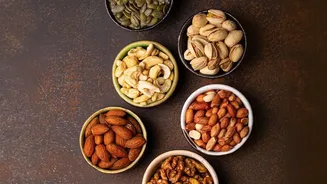
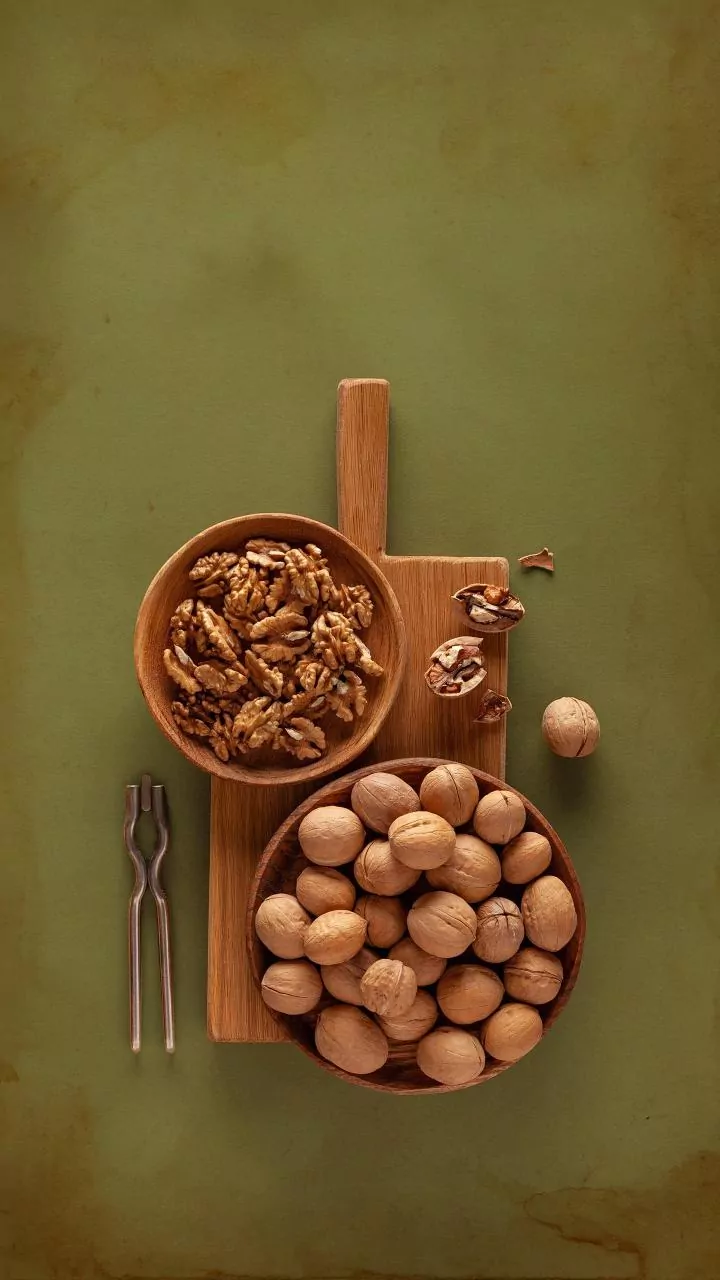
Nuts and seeds have transitioned from being festive garnishes or occasional treats to everyday snacking essentials. In one survey, 86% of Indian shoppers reported buying nuts within a six-month period, a testament to their rising popularity. Almonds, walnuts, pistachios, and a variety of seeds are now seen as convenient sources of healthy fats, fibre, and protein. This shift is partly due to consumers looking for natural, heart-healthy, and energy-boosting options before considering cravings. The demand for snacks with clean labels and natural ingredients is pushing items like roasted and flavoured dry fruits to the forefront, often replacing traditional biscuits during tea time.
Sugar Steps Aside
While the shift towards protein and nuts is a pull factor, the push away from sugar is equally strong. Growing concerns over lifestyle diseases like diabetes and obesity are encouraging consumers to seek out low-sugar or no-added-sugar alternatives. One study found that about a quarter of teens and their parents are actively looking for lower sugar in their snacks. In response, the market for sugar-free products is gaining traction, with a preference for natural sweeteners like dates and jaggery over refined sugar. However, the transition isn't without challenges; companies are working to reformulate products that satisfy taste expectations without the sugar, a process that is still in its early stages for many categories.
The Informed Consumer
This snacking revolution is powered by information. Urban Indians are reading nutrition labels more than the global average, reflecting a desire to make informed choices. The demand for transparency and clean ingredients is now a mainstream expectation, not a niche concern. Consumers want to know what's in their food, and brands are responding. This has led to the rise of baked, popped, and air-fried snack formats, which are gaining acceptance, especially among younger Indians. As people become more discerning, the nutritional panel on a package is becoming just as important as the brand name itself.