






The Rise of Unbundled Fares
The simple act of buying a plane ticket has transformed. Many airlines, particularly low-cost carriers, have moved to an 'unbundled' model. This means your basic ticket buys you just a seat. Amenities that were once standard, like a checked bag or even
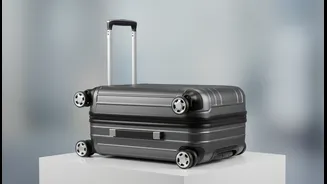
a larger cabin bag, are now add-ons you pay for. This strategy allows for attractively low headline fares, but it places the responsibility on the passenger to understand exactly what is and isn't included. Increasingly, the right to bring a standard trolley-sized cabin bag is bundled with other services, such as seat selection or priority boarding.
Budget Airlines: When Priority Is a Necessity
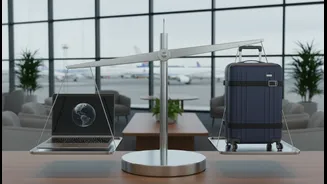
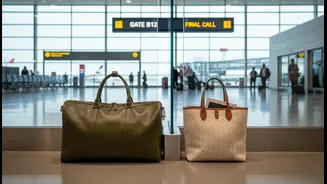
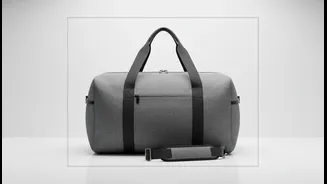
For many budget airlines, the cheapest 'Lite' or basic fares come with a strict limitation: you are only allowed one small personal item that must fit under the seat in front of you. This is typically a laptop bag, a small backpack, or a handbag. If you wish to bring a larger cabin bag—the kind that goes in the overhead bin—you often have no choice but to purchase an upgrade. This upgrade is frequently packaged as 'Priority Boarding'. Airlines like IndiGo and SpiceJet in India, and international carriers like Ryanair and Wizz Air, follow this model. In this scenario, priority boarding is not a luxury for getting on the plane first; it is a mandatory purchase to accommodate your baggage. For instance, IndiGo's 'Lite Fare' explicitly excludes a larger cabin bag, which must be added separately, often via a bundle that includes other perks.
Full-Service Carriers: A Different Story
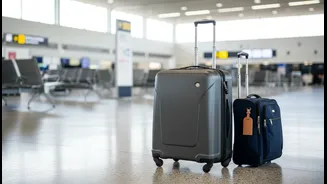
With full-service airlines like Air India and Vistara, the rules are generally more straightforward and traditional. A standard economy ticket on these carriers typically includes a free cabin baggage allowance of one piece weighing up to 7 or 8 kgs, in addition to a personal item. This means you can bring your standard trolley bag on board without needing to buy any special add-ons. For these airlines, priority boarding remains what it originally was: an optional service for passengers who want the convenience of boarding early, securing overhead space first, and settling in without the queue. It is a perk, not a prerequisite for your bag.
The 'One Bag Rule' and What It Means for You
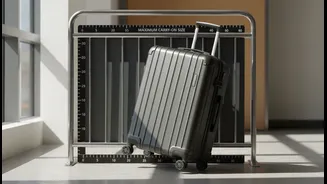
A recent directive from India's Bureau of Civil Aviation Security (BCAS), strictly enforced since late 2024, mandates a 'one cabin bag' rule. This allows for one main cabin bag (typically up to 7 kg in economy) and one smaller personal item. While this standardises the number of items, it doesn't change the core issue of fare types. The rule clarifies you can bring one of each, but it's your ticket's fare category that determines if the 'main cabin bag' part is free or requires an extra payment, often disguised as priority boarding. Always check the specific dimensions and weight allowed, as these can vary slightly between airlines.
How to Avoid Unwanted Surprises
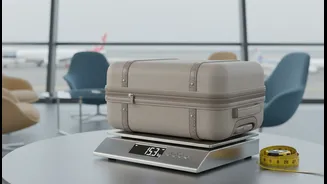
The key to avoiding stress and extra fees is diligence before you book and before you fly. First, during booking, carefully read the details of the fare you are selecting. Look for phrases like 'cabin bag included' or 'personal item only'. Do not assume a standard cabin bag is included with the cheapest fare. Second, if you have already booked, review your ticket confirmation. It will clearly state your baggage allowance. If you find your fare only includes a personal item, it is almost always cheaper to purchase the necessary baggage upgrade online in advance rather than paying steep charges at the airport. Finally, measure and weigh your bag at home to ensure it complies with the airline's limits to avoid a costly surprise at the gate.