






What Exactly Is Bubble Tea?
First, let's clear up the basics. Bubble tea, also known as boba tea, is a tea-based drink that originated in Taiwan in the 1980s. The 'bubble' doesn't refer to the spheres, but to the frothy bubbles created when the tea is shaken. The drink has a simple
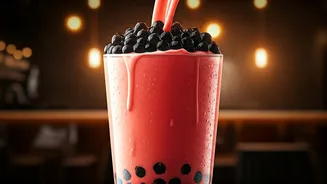
but brilliant formula: a tea base (black, green, or oolong), milk or fruit flavouring, and a scoop of chewy toppings. The most famous of these toppings are the 'pearls'—dark, round, and slightly sweet spheres made from tapioca starch. They have a unique, bouncy texture often described as 'Q' or 'QQ' in Taiwan, a culinary term for a satisfyingly chewy mouthfeel. Part-drink and part-snack, it’s an experience that engages more than just your taste buds.
From Taiwanese Night Markets to Indian Malls
For decades, bubble tea was a regional favourite that slowly built a cult following across East Asia and in Asian diaspora communities in North America. Its journey to India, however, has been more of a rapid sprint than a slow burn. While a few standalone shops have existed for years in metros, the last few years have seen an explosion. International and homegrown chains like The Boba Story, Dr. Bubbles, and Got Tea are now aggressively expanding into malls and high streets across Tier-1 and Tier-2 cities. What was once a hard-to-find curiosity is now an accessible, everyday treat for a growing number of urban Indians.
The 'Why Now?' Factor: An Instagram-Ready Phenomenon
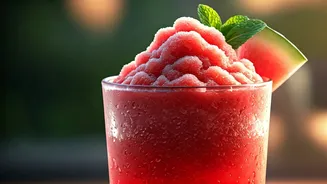
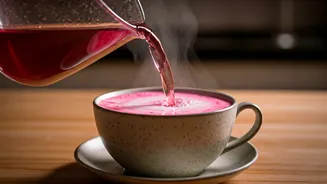
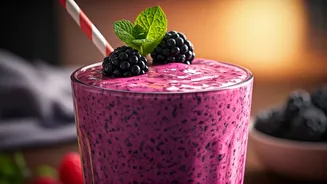
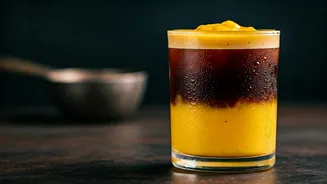
So, why the sudden surge? It’s a perfect storm of factors. Firstly, bubble tea is incredibly photogenic. Its vibrant colours, distinct layers, and unique pearls make it ideal content for Instagram and TikTok, turning every customer into a potential advertiser. Secondly, its appeal is strongest with Gen Z and young millennials, a demographic that craves novelty, global trends, and customisable experiences. You can choose your tea, your milk (or no milk), your sweetness level, and your toppings—from classic tapioca to popping boba filled with fruit juice, jelly, or pudding. This sense of control and personalisation is a massive draw. Finally, after years of largely homogenous cafe menus dominated by cappuccinos and masala chais, the textural and flavourful adventure of boba offers something genuinely new.
Adapting to the Indian Palate
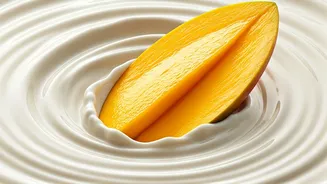
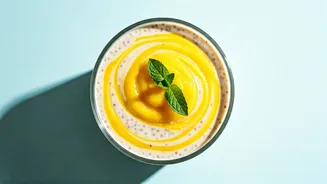
A key to its growing success is how brands are localising the menu without losing the drink's core identity. While classic Taiwanese milk tea remains the bestseller, menus are expanding to include flavours that resonate with local tastes. Think Masala Chai Boba, Mango Lassi-inspired bubble tea, or drinks infused with lychee and guava. This fusion approach makes the unfamiliar more approachable. It’s a global format filled with familiar flavours, lowering the barrier for first-time drinkers who might be hesitant to try something completely alien. This smart adaptation ensures it's not just a copy-paste of a foreign trend but something that is actively evolving within the Indian food scene.
More Than Just a Fad?
Whenever a food trend explodes this quickly, the obvious question is: is it a fleeting fad like the Dalgona coffee craze, or does it have staying power? The evidence points towards the latter. Unlike Dalgona, which was a home-based, single-recipe phenomenon, bubble tea is a commercial enterprise with significant infrastructure investment. The establishment of physical cafes, supply chains for ingredients, and brand-building efforts suggest a long-term bet. The market for non-alcoholic beverages in India is vast and growing, and boba tea is carving out a unique niche between coffee shops and traditional juice bars. It offers a social, 'third place' experience that has proven successful for coffee chains for decades.