


The Essential Pre-Monsoon Vehicle Audit
Before any journey in the rains, your car needs a thorough inspection. Heavy rainfall and waterlogged roads put immense stress on vehicle components that might seem fine in dry weather. Start with the absolute fundamentals. Your tyres are your primary
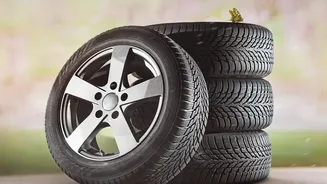
connection to the slippery road. Ensure they have a tread depth of at least 3mm to effectively channel water and prevent aquaplaning, a dangerous situation where your car loses contact with the road. Also, check for correct tyre pressure, including the spare. Next, inspect your braking system. Brakes are critical on wet roads where stopping distances increase significantly. If you feel any juddering or hear squealing, get your brake pads and discs checked by a professional. Finally, look at your battery. High humidity and the increased use of lights, wipers, and defoggers can strain an old battery. Check the terminals for any corrosion and ensure the connections are secure.
Visibility Is Your Best Defence
In a downpour, being able to see and be seen is paramount. Your wipers are your first line of defence. Rubber blades often degrade in the summer heat, and by the time the monsoon arrives, they can leave dangerous streaks or fail to clear water effectively. Replace them if they are worn or noisy. Always keep your windshield washer fluid topped up with a proper cleaning solution to cut through road grime splashed up by other vehicles. Equally important are your lights. Turn on your low-beam headlights during the day in heavy rain to make your vehicle more visible to others. Walk around your car and check that all lights are functional: headlights (low and high beam), tail lights, brake lights, and indicators. A foggy windshield can also severely hamper vision. Before you set off, test your air-conditioning and defogger settings to ensure they can quickly clear both the inside and outside of the glass.
Decoding the Weather Forecast
Understanding a weather report is more than just checking for a rain icon. Before your trip, consult reliable sources like the India Meteorological Department (IMD). The IMD provides detailed forecasts, including warnings for "heavy to very heavy rainfall," thunderstorms, and potential waterlogging or landslides. These advisories are crucial for travel planning. For instance, a forecast of intermittent showers might be manageable, but a "red alert" for heavy rain should make you consider postponing your trip. Many weather apps and websites like Google Maps now provide hourly forecasts and live radar maps. A radar map is invaluable as it shows you the current location and movement of rain bands, allowing you to time your departure or breaks to avoid the worst of a downpour. Specialized apps can even show you the forecasted weather along your specific driving route at the estimated time of arrival for each point.
Syncing Your Car Check with the Forecast
This is where preparation meets intelligence. Your weather check should directly inform your vehicle check. If the forecast predicts moderate, steady rain, your focus should be on perfect wipers and clear headlights. However, if "heavy to very heavy rainfall" is predicted, your attention must shift to non-negotiable safety items like tyre tread and brake efficiency. A deeper tread is essential to handle large volumes of water on the road and reduce hydroplaning risk. Similarly, knowing your brakes are in top condition provides peace of mind when sudden stops are more likely. Use the weather forecast to plan your route and timing. If thunderstorms are expected in the afternoon, plan to complete your travel through hilly or low-lying areas in the morning. If you see a large, intense rain system approaching on the radar, it's safer to pull over at a rest stop and wait for it to pass rather than pushing through with limited visibility.
Packing Your Monsoon Emergency Kit
Even with the best planning, things can go wrong. A well-stocked emergency kit is crucial for monsoon travel. This isn't just about breakdowns; it's about self-sufficiency during unexpected delays caused by waterlogging or traffic jams. Your kit should include a tow rope, a powerful torch with extra batteries, a first-aid kit, and jump cables. Given the possibility of getting stranded, it's wise to carry extra drinking water and non-perishable snacks like energy bars or biscuits. A tyre inflator can be a lifesaver for slow punctures, and a glass-breaking hammer could be vital in a flooding emergency. Ensure your phone is fully charged and carry a power bank. Save important emergency contact numbers before you leave. This preparation ensures that if you do face an issue, you have the resources to manage the situation safely until help arrives.