

The Star of the Show: The Kofta
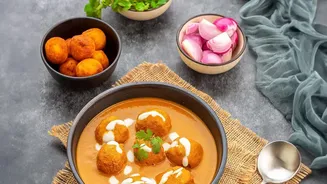
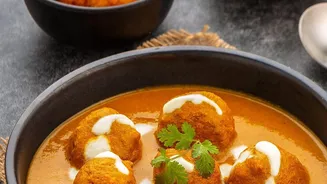
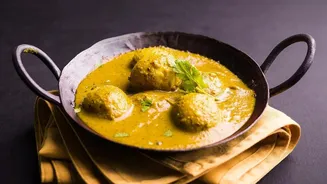
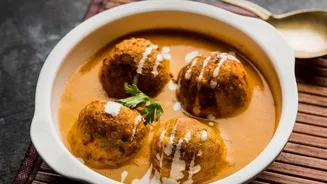
Let’s be clear: the kofta is a marvel. Traditionally, these are delicate, melt-in-your-mouth dumplings made from a mixture of paneer and boiled potatoes. Sometimes enriched with khoya (milk solids), nuts, and gentle spices like cardamom, they are fried
to a perfect golden-brown crispness. The goal is a textural contrast: a slightly firm exterior that gives way to a soft, almost cloud-like interior. A well-made kofta is mildly flavoured, a canvas waiting for its masterpiece. It’s light, rich, and satisfying all at once. But a canvas, no matter how perfectly primed, is incomplete without the paint. On its own, a kofta is a delicious, deep-fried ball of paneer and potato; it is the gravy that transforms it into Malai Kofta.
The Unsung Hero: The Creamy Gravy
The term 'Malai Kofta' itself gives a clue. 'Malai' means cream, and it refers not just to the ingredient but to the silky, luxurious texture of the gravy. This is where the dish finds its deep, complex character. Rooted in Mughlai culinary traditions, the gravy is a masterclass in balance. It typically begins with a base of onions, tomatoes, and, crucially, cashew paste. The cashews are the secret to its signature body and velvety texture, providing a rich creaminess without the heaviness of too much dairy. Whole aromatic spices like cardamom, cinnamon, and cloves are often tempered in ghee to build a fragrant foundation. The final flourish of fresh cream and a sprinkle of kasuri methi (dried fenugreek leaves) adds the finishing touches of richness and aroma.
A Symphony of Flavour and Texture
The magic of Malai Kofta happens when the two components meet. The porous, tender koftas are designed to absorb the gravy, becoming plump with flavour. The gravy provides the moisture, the aromatic depth, and the tangy-sweet notes that the mild koftas need to truly sing. This interplay is intentional. Indian cooking is built on the principle of balancing tastes and textures. A great Malai Kofta gravy is simultaneously rich from the cashews and cream, slightly tangy from the tomatoes, subtly sweet from the onions, and warm with spices. This complexity envelops the simple, savoury kofta, creating a dish where every spoonful offers a perfect, harmonious bite. A poorly made gravy—one that is too thin, too spicy, or flat—can't be saved by even the most perfect kofta. It is the liquid gold that completes the experience.
The Art of Getting It Right
Achieving this perfect union requires patience and technique. Chefs emphasize that the gravy must be cooked slowly, allowing the flavours to meld and deepen. For that signature restaurant-style silky texture, the blended onion-tomato base must be strained to remove any fibrous bits from the whole spices. The balance is key; too much cream can make the dish heavy and cloying, while not enough will leave it lacking its essential richness. Timing is also critical. Many chefs advise adding the koftas to the gravy just before serving. This ensures the dumplings soak up the flavour without becoming soggy and disintegrating, preserving their delicate texture until the very last bite. It’s a final, crucial step in honouring the relationship between the two halves of this iconic dish.