






The Battle for Your Walls
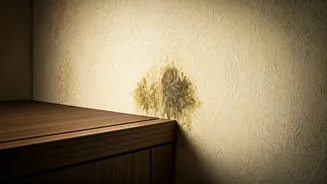
The most obvious victim of dampness is your walls. High humidity can cause paint to peel, bubble, and blister, while wallpaper may begin to lift at the seams. More insidiously, dark, damp patches can become breeding grounds for mould and mildew, which
appear as unsightly black or greenish spots. These aren't just cosmetic issues; they can signify deeper problems like water seepage from tiny cracks in the external walls. Before the rains begin, inspect exterior walls for cracks and seal them. Internally, a fresh coat of waterproof or semi-gloss paint can create a barrier against moisture. If you spot mould, tackle it immediately with a solution of white vinegar and water to prevent it from spreading.
Guarding Your Wooden Treasures
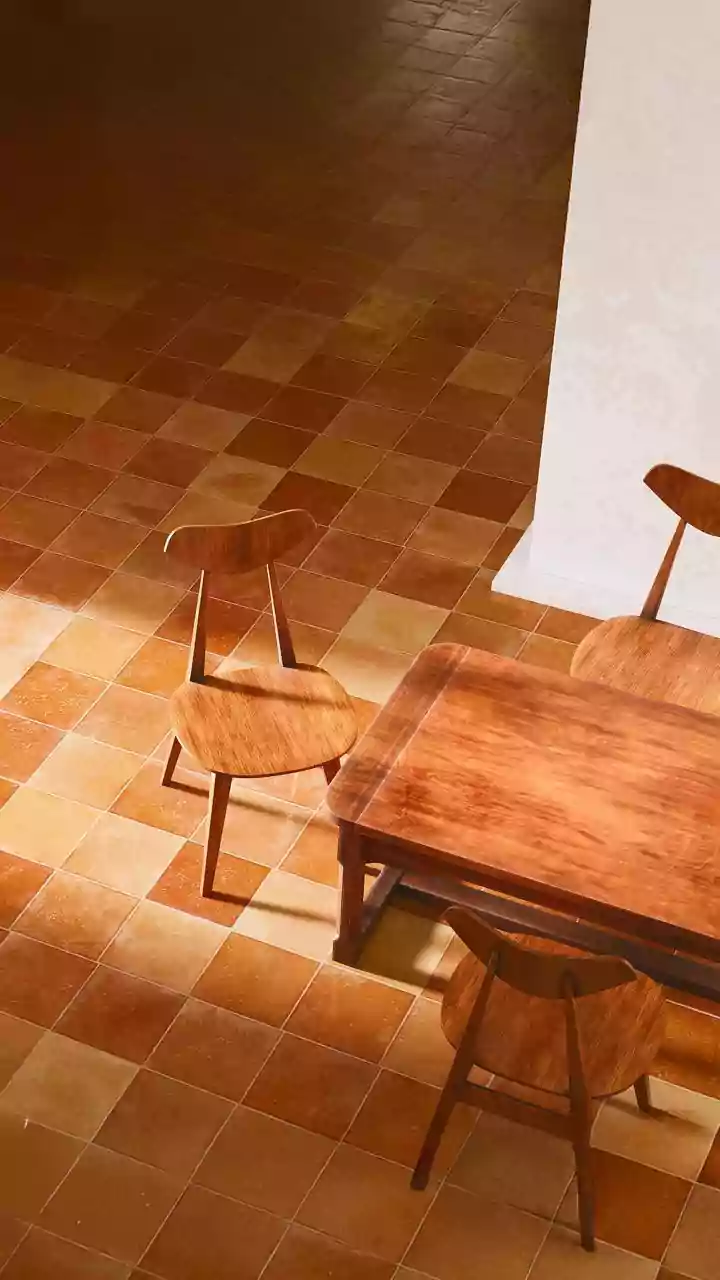
Wooden furniture is particularly vulnerable during the monsoon. Wood is a hygroscopic material, meaning it naturally absorbs moisture from the air. When humidity levels rise, wood swells, causing drawers to stick, doors to warp, and joints to weaken. This can lead to long-term structural damage. To protect your furniture, try to maintain a gap of at least a few inches between wooden pieces and walls, especially external ones, to allow for air circulation. Wiping furniture daily with a dry microfibre cloth helps remove the thin layer of condensation that can settle overnight. Applying a coat of varnish or wax polish before the season starts can also provide a protective seal against moisture.
Keeping Fabrics Fresh and Dry
That musty smell in your cupboards is a classic sign of rainy-season damp. Clothes, linens, and upholstery can absorb moisture from the air, leading to mildew and a persistent stale odour. Leather goods are especially prone to developing fungal spots. To combat this, ensure your clothes are completely dry before storing them. Placing moisture absorbers like silica gel packs or even small cloth bags filled with charcoal or salt inside wardrobes can work wonders. It's also wise to avoid over-packing your closets to allow air to circulate freely. On dry, sunny days, leave wardrobe doors open for a few hours to air them out.
Don't Forget What's Underfoot
Flooring and rugs also suffer during the monsoon. Carpets and rugs can absorb a significant amount of moisture, making them feel damp and promoting the growth of mildew underneath. This not only creates a musty smell but can also damage the flooring beneath. It is often best to roll up and store expensive carpets during the peak rainy months. If you must have floor coverings, opt for lightweight, easily washable dhurries or mats. Place highly absorbent doormats at all entryways to trap mud and water, preventing it from being tracked through the house. Regularly mopping floors with a dry or microfibre mop is more effective than wet mopping during this season.
Proactive Prevention for a Dry Home
The best way to fight dampness is to prevent it from taking hold. Good ventilation is your strongest ally. Use exhaust fans in kitchens and bathrooms to expel moist air, and open windows for cross-ventilation whenever it is not raining. A dehumidifier can be an excellent investment for maintaining an ideal humidity level, typically between 45-55%, which discourages mould growth and protects furniture. Simple, natural solutions can also be effective. Placing bowls of salt or using indoor plants known for absorbing humidity, like peace lilies and snake plants, can help manage moisture levels in smaller spaces.