



More Than Just a Meal
Not long ago, a food festival meant a collection of stalls in a park. Today, it’s a full-blown cultural phenomenon. Events like Zomaland and The Grub Fest have reimagined the format, transforming it into a ticketed spectacle that feels more like a music
festival where the food is a headliner. These are no longer just places to eat; they are curated experiences. You’ll find pop-ups from the city’s top restaurants, chef masterclasses, live music stages with major artists, and interactive art installations, all within one sprawling venue. This shift reflects a broader change in what consumers want: not just a product, but an engaging and memorable event. The modern festival is a carefully constructed world of taste, sound, and sight, designed for a social media-savvy audience ready to capture and share every moment.
The Rise of Culinary Tourism
This evolution is a key driver of a growing travel trend: culinary tourism. People are increasingly planning their trips around food experiences, and these festivals have become powerful draws, pulling visitors from across the country. Events like Zomaland now tour multiple cities like Pune, Mumbai, Delhi, and Bengaluru, knowing that dedicated fans will travel to attend. This influx of visitors provides a significant boost to local economies, benefiting hotels, transport, and other businesses. The festival itself becomes the destination, a compelling reason to visit a city. It’s a testament to how food has moved from a mere travel necessity to a primary motivation for exploration and adventure.
A Vibrant Mix of Food and Culture
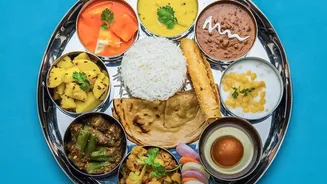
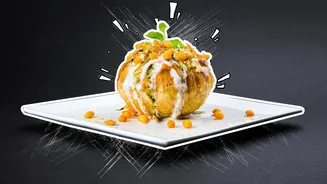
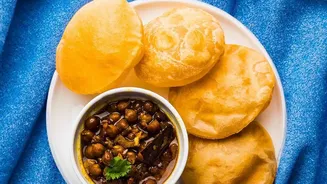
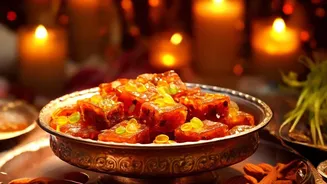
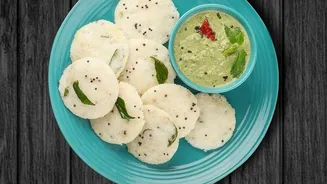
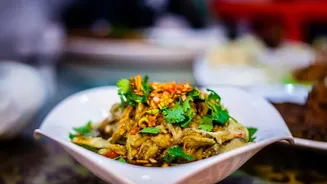
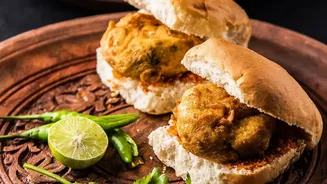
What makes these festivals so compelling is their seamless blend of food and culture. While your taste buds are occupied with everything from regional Indian delicacies to global cuisines like Italian and Lebanese, your other senses are just as engaged. Major music artists and DJs perform on massive stages, turning a food outing into a concert. Experimental zones, or ‘Grub Theatres’, host live cooking demonstrations by celebrity chefs, offering a glimpse into their craft. Meanwhile, dedicated market areas allow attendees to buy gourmet products and fresh produce directly from artisans and farmers, fostering a connection to the source of the food. This multi-sensory approach ensures there’s something for everyone, from families with kids to young adults looking for a weekend party.
A Platform for Discovery
For restaurants, these festivals are more than just a sales opportunity; they are a powerful marketing platform. They offer a chance to reach thousands of potential new customers in a single weekend, testing new dishes and building brand recognition in a lively, informal setting. It’s a space for discovery on both sides. Diners get to sample offerings from restaurants they might have hesitated to try otherwise, often through affordable, specially curated menus. Similarly, emerging food brands and home chefs can showcase their products to a massive audience, gaining valuable feedback and visibility. This dynamic environment fosters culinary innovation and helps enrich a city’s dining landscape.
The Future of Feasting
The restaurant festival trend shows no signs of slowing down. As diners become more discerning, we can expect these events to become even more specialized and experience-driven. Future festivals might focus on niche themes like sustainable eating, specific regional cuisines, or plant-based innovations. We may also see a greater integration of technology to enhance the visitor experience, from seamless payments to augmented reality interactions. However, the core appeal will likely remain the same: the joy of sharing great food and creating lasting memories. These festivals have successfully tapped into a fundamental human desire for community and celebration, proving that a shared meal can be the foundation for a much larger cultural experience.