







What Are Micro-Fulfillment Centers?
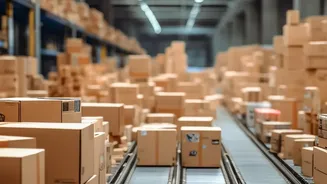
Think of a micro-fulfillment center, or MFC, as a small, highly efficient warehouse, often no larger than a convenience store, located deep within a city. Unlike massive, sprawling warehouses situated on the outskirts of town, MFCs are designed for one
thing: speed. By strategically placing inventory closer to where customers live, companies can dramatically cut down on last-mile delivery times, making sub-hour deliveries possible. These facilities are hubs of activity, using a combination of smart technology and human workers to pick, pack, and dispatch a high volume of orders for everything from groceries to electronics.
The Strategic Shift to Secondary Cities
For years, the logistics boom was centered around India's major metropolitan areas. Now, the focus is shifting. Secondary urban hubs—cities like Lucknow, Coimbatore, Nagpur, and Jaipur—are the new frontier for warehousing and logistics. This shift is driven by several factors: rising real estate and operational costs in metros, a growing consumer base with increasing disposable income in Tier-2 cities, and significant government investment in infrastructure. Companies are recognizing that to win the next phase of e-commerce, they need to be closer to this burgeoning customer base, and MFCs are their primary tool for achieving that.
A Transformation in Job Roles
The arrival of automated and semi-automated MFCs doesn't just mean more jobs; it means different kinds of jobs. The narrative isn't a simple case of robots replacing humans. Instead, it's a fundamental change in the skills required. While the need for some traditional manual labor roles may decrease, new positions are being created. A modern MFC requires a team of skilled individuals to function. Each center creates dozens of direct and indirect employment opportunities, from in-house associates to a vast network of last-mile delivery partners.
The New Skillset in Demand
Working in a modern warehouse is no longer just about physical strength. As automation becomes standard, employers are prioritizing a new set of skills. Basic computer literacy is now essential, as staff interact with Warehouse Management Systems (WMS) to track inventory and process orders. There's a growing demand for technicians who can maintain and troubleshoot robotic systems. Employees who can analyze data from the system to improve efficiency, manage stock levels, and solve logistical problems are highly valued. Soft skills like communication, adaptability, and problem-solving remain critical for collaborating in a fast-paced, tech-driven environment.
Fueling the Local Gig Economy
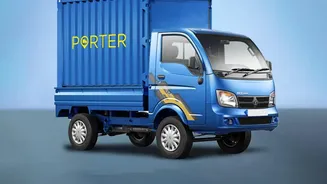
The high density of orders generated by an MFC creates a massive demand for last-mile delivery. This has a direct and significant impact on the gig economy within these regional hubs. Micro-fulfillment networks rely on a flexible fleet of delivery partners to bridge the final gap to the customer's doorstep. This provides a surge in flexible employment opportunities for students, migrant workers, and anyone seeking supplementary income. As these delivery networks mature, they become a core part of the city's economic infrastructure, creating a symbiotic relationship between the fulfillment center and the local workforce.