







Explore Beyond the Usual Suspects
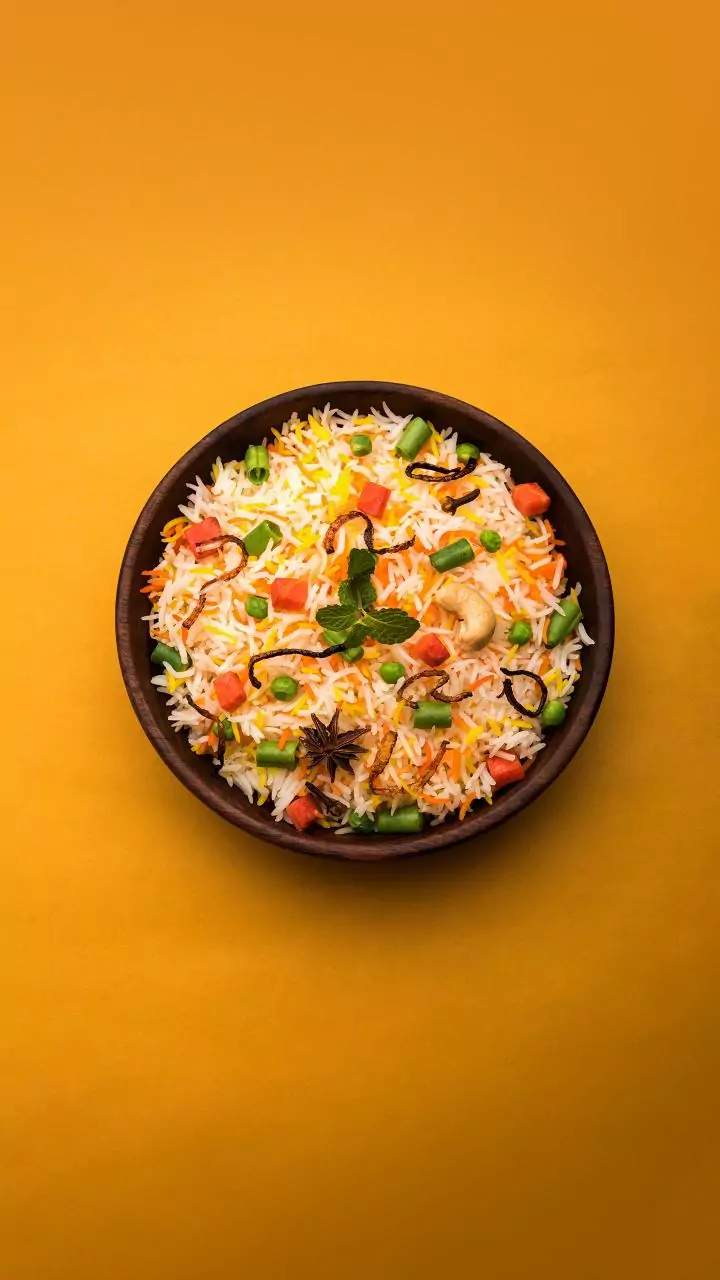
Hyderabadi and Lucknowi biryanis deservedly get a lot of love, but India’s biryani map is vast and full of treasures waiting to be discovered. Why not seek out a Thalassery biryani from Kerala, made with fragrant, short-grained Kaima rice and a sweet
and savoury mix of cashews and raisins? Or perhaps the Ambur biryani from Tamil Nadu, known for its distinct tangy flavour derived from curd-marinated meat and the use of Seeraga Samba rice. Then there's the unique Kolkata biryani, a descendant of the Awadhi style, which is famous for its subtle spices and the signature addition of a soft, flavour-infused potato. Each regional variant tells a story about local ingredients and culinary history, offering a completely new perspective on a familiar favourite.
The Curious Case of the Kolkata Potato
The potato in Kolkata biryani is iconic, but its origin is a subject of delicious debate. The most popular story attributes it to the exiled Nawab Wajid Ali Shah in the 1850s, suggesting that with dwindling funds, his cooks added the then-cheaper potato to make the dish more substantial. However, some food historians and even descendants of the Nawab challenge this, arguing that the potato was considered an exotic and expensive vegetable at the time. In this version of the story, its inclusion was an act of culinary innovation, not economic compromise. Regardless of the true story, Kolkatans embraced the potato, making it an essential and beloved part of their biryani's identity.
Master the Art of 'Dum Pukht'
The secret to a truly transcendent biryani often lies in the 'dum pukht' method—a slow-cooking technique where the pot is sealed to trap steam and allow the flavours to meld perfectly. To try this at home, you don’t need special equipment. After layering your partially cooked rice and meat, seal the lid of your heavy-bottomed pot with dough made from atta and water. Alternatively, a tight layer of aluminium foil under the lid can work wonders. Cook on a very low flame, perhaps with a tawa placed underneath the pot to diffuse the heat and prevent burning. This process, which can take 20-30 minutes, is what infuses every grain of rice with the aroma of the spices, meat, and saffron.
Perfect Your Pairings
A great biryani is a star, but its supporting cast is just as important. The right accompaniments can elevate the entire meal. A cooling raita is the classic choice for balancing the heat of a spicy biryani; try a simple cucumber raita or a crunchy boondi raita. For a tangy kick, a side of mirchi ka salan (a chilli and peanut curry) is the traditional partner for Hyderabadi biryani. A simple kachumber salad, with chopped onions, tomatoes, and cucumber, adds a refreshing crunch. And don't forget the simple pleasure of a crispy papad to add another layer of texture to your feast.
Host Your Own Biryani Potluck
What better way to explore the diversity of biryani than with friends? The post-Biryani Day period is the perfect time to organise a biryani potluck. Assign different regional styles to your guests—one brings a spicy Andhra version, another a creamy Beary biryani from coastal Karnataka, and someone else attempts the fiery Memoni biryani. This not only divides the cooking effort but also turns into a fantastic tasting session where everyone gets to compare notes and discover new favourites. It's a social and delicious way to continue the celebration and appreciate the incredible range of this one beloved dish.