
Why Visit in Monsoon?
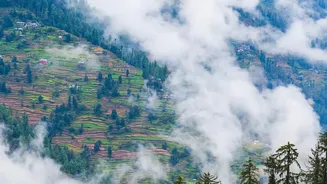
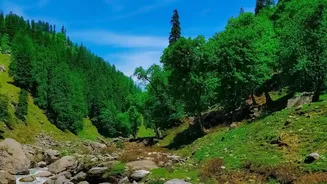
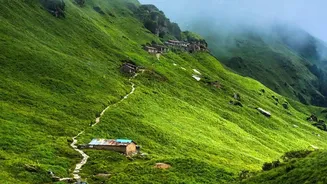
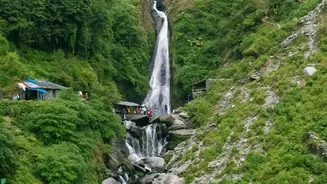
While many travellers avoid the hills during monsoon, it is precisely this season that unlocks a different kind of magic in places like Tirthan and Shoja. The landscape erupts in countless shades of green, waterfalls are at their most powerful, and the scent
of rain on pine needles fills the air. This season sees fewer visitors, ensuring a quieter, more personal experience. It’s the perfect time for those who enjoy the drama of mist-covered hills, the sound of rain on a wooden roof, and the luxury of slow travel. Roads require careful driving due to the possibility of landslides, but for the prepared traveller, the rewards are immense.
Tirthan Valley: The Riverside Sanctuary
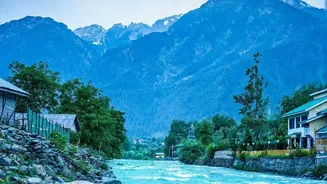
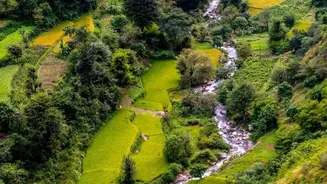
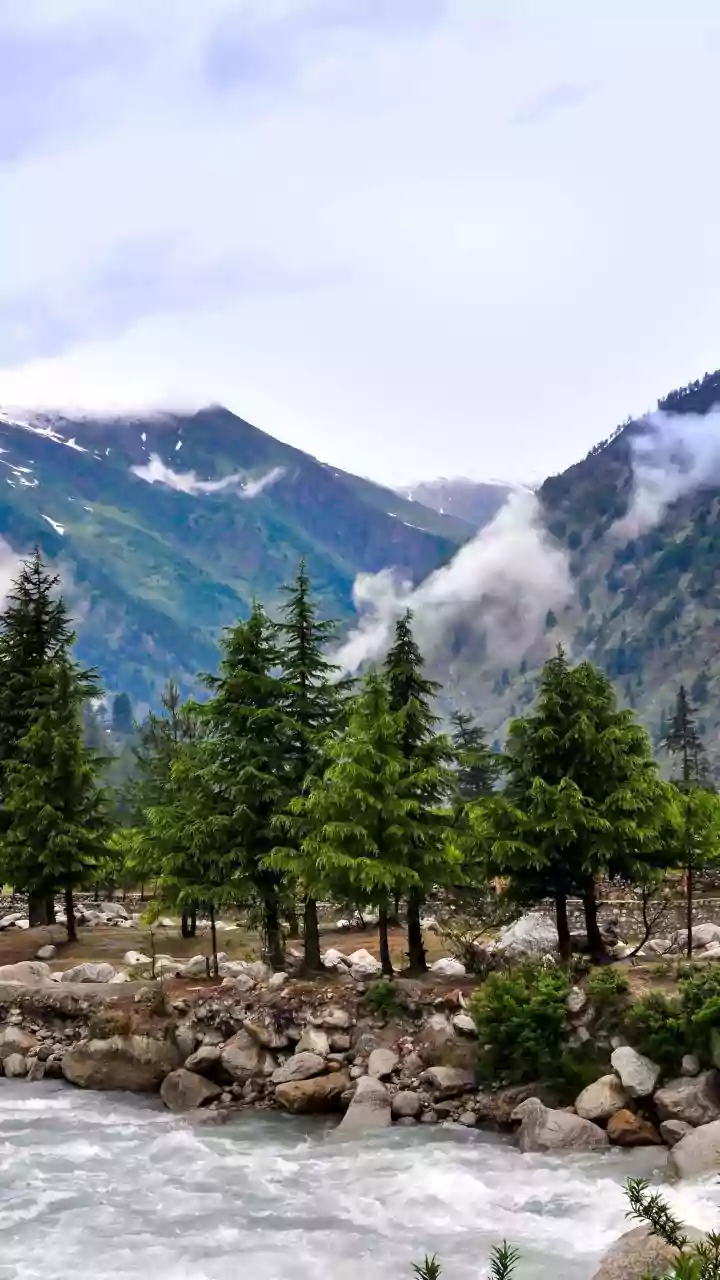
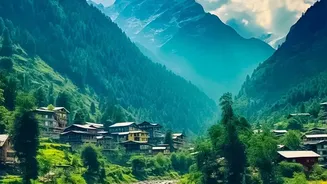
Tirthan Valley, part of the Great Himalayan National Park's ecozone, is a paradise for nature lovers. During the monsoon, the Tirthan river flows with a renewed vigour, and the surrounding forests are intensely alive. The valley remains less commercialised than its popular counterparts, offering a genuine connection with nature. Homestays are the heart of the experience here, with many traditional wooden homes offering stunning riverside views and warm, local hospitality. Waking up to the sound of the river is a core part of the Tirthan experience.
Monsoon Activities in Tirthan
Monsoon in Tirthan is less about ambitious treks and more about gentle exploration and relaxation. The valley is famous for its trout, and angling in the crystal-clear waters is a meditative activity. Short, accessible hikes are still possible and incredibly rewarding. The trail to Chhoie Waterfall, for instance, is a popular choice; the 45-minute hike from Nagini village leads to a cascade that is spectacular during the rains. Simple village walks through places like Gushaini and Nagladi offer glimpses into the unhurried local life. Most importantly, the monsoon is a time to simply sit by the river, read a book, and let the valley’s tranquility wash over you.
Shoja: The Hamlet in the Clouds
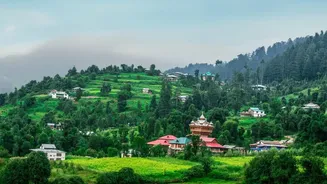
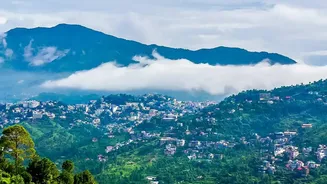
A short, scenic drive from the Tirthan area, Shoja is a tiny, serene village that truly comes into its own during the monsoon. At a higher altitude, it is often enveloped in mist, creating a cinematic, dreamlike atmosphere. This is the destination for travellers seeking absolute peace and quiet. Unlike bustling tourist towns, Shoja's charm lies in its slowness. Days here are best spent enjoying the views from a wooden balcony, taking leisurely walks on quiet roads, and watching clouds drift through the dense deodar forests.
Exploring Near Shoja: Jalori Pass
Shoja serves as an excellent base for visiting Jalori Pass, situated at an altitude of around 10,800 feet. While the drive requires caution during the rains, the views from the pass are breathtaking, with lush meadows and dense forests. The popular trek from the pass to Serolsar Lake, a pristine high-altitude lake, can be slippery and leech-prone during peak monsoon. It's crucial to check local conditions and only proceed if it's deemed safe. Even if the full trek isn't possible, the drive to the pass itself is an unforgettable experience.
Practical Tips for a Monsoon Trip
A monsoon trip to the Himalayas requires some planning. Pack waterproof layers and sturdy shoes with good grip. Be prepared for travel delays; landslides can occasionally block roads, so build extra days into your itinerary. It's wise to book accommodations in advance, especially popular homestays. Carry a basic medical kit and any personal medications. While mobile networks can be patchy, the disconnect is often part of the appeal. Most importantly, travel with a flexible mindset and respect for the powerful mountain weather.