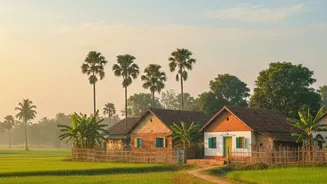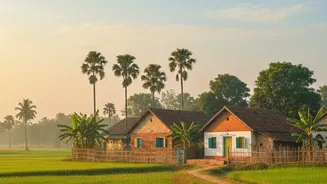







The great Indian vacation is changing. The frantic energy of ticking off landmarks is giving way to a quieter, deeper pursuit: the search for peace. For a growing number of city dwellers, the ultimate luxury is no longer a crowded beach but a quiet porch.
The Backlash Against 'Doing It All'
For years, the blueprint for a successful holiday involved packed itineraries and a race against time. The goal was to see everything, do everything, and capture it all for social media. Today, a quiet rebellion is underway. Burnt out by the sensory overload of urban life—the traffic, the notifications, the endless to-do lists—many Indian travellers are consciously choosing to do less. The primary motivation for travel has shifted from sightseeing to relaxation. This isn't just about escaping work; it's about escaping the very pace of modern life. The appeal of traditional mass tourism, with its queues and crowded photo spots, is fading for those who crave genuine downtime and a chance to disconnect.
In Search of Authentic Connection
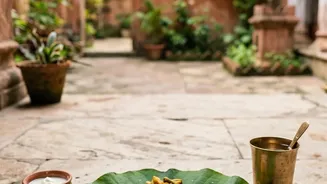
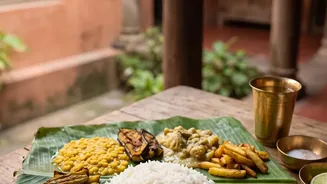
A major driver behind the move to homestays is the desire for authenticity. A hotel, however luxurious, often provides a standardized, impersonal experience. A homestay, by contrast, offers a window into a local way of life. Travellers are seeking more than just a place to sleep; they want to eat home-cooked meals, listen to stories from their hosts, and discover a place through the eyes of its residents. Research shows a vast majority of Indian travellers prefer accommodations that offer a connection to the local community. This shift is about trading polished, predictable service for something more personal and memorable, like learning a family recipe or getting a tip for a hidden waterfall that isn't in any guidebook.
The Rise of 'Hushpitality' and Slow Travel
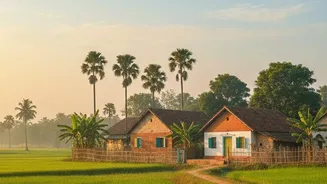
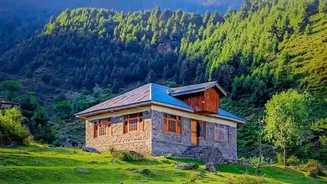
The travel industry is taking note, giving rise to concepts like 'hushpitality'—tourism centered on tranquility and nature. This is the essence of slow travel: staying in one place longer to absorb its rhythm, rather than rushing through a multi-city tour. Destinations like the quiet hills of Dharamshala, the serene backwaters of Kerala, or the less-trodden beaches of South Goa are gaining popularity. These locations are valued precisely for what they lack: loud music, large crowds, and the pressure to be constantly entertained. This trend is amplified by the rise of remote and hybrid work, which allows professionals to take longer 'workations' from peaceful, inspiring settings.
A Journey Inward: Travel as Restoration
More than just a vacation, these quiet breaks are becoming a form of preventative wellness. The goal is no longer just fun, but restoration—a chance to heal from chronic stress and digital fatigue. Travellers are actively seeking out experiences that calm the nervous system, whether it's through meditation, forest walks, or simply having long stretches of unplanned time. This is 'restorative travel', where the journey is internal as much as it is external. It reflects a deeper understanding that true rest isn't about passive consumption but about creating the mental and emotional space to reconnect with oneself. The quiet offered by a remote homestay becomes a tool for mental and emotional healing.
A Conscious Choice for a Changing World
The preference for homestays is not just a personal one; it's also a conscious one. By choosing smaller, locally-owned accommodations, travellers are directly contributing to local economies and promoting a more sustainable form of tourism. This aligns with a growing awareness among urban Indians about the impact of their choices. The homestay market in India is projected to grow significantly, not just supplementing but actively driving tourism in non-metro areas. This trend suggests a move away from extractive tourism towards a model that fosters genuine cultural exchange and community benefit, making the vacation feel good not just for the traveller, but for the destination as well.