






The Ripple Effect in Your Cup
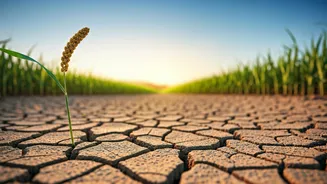
In India, water is a paradox. The monsoon brings abundance, yet many regions face acute scarcity for much of the year. [18] This reality has spurred a quiet revolution in the beverage industry, where your daily drink is becoming a vehicle for change.
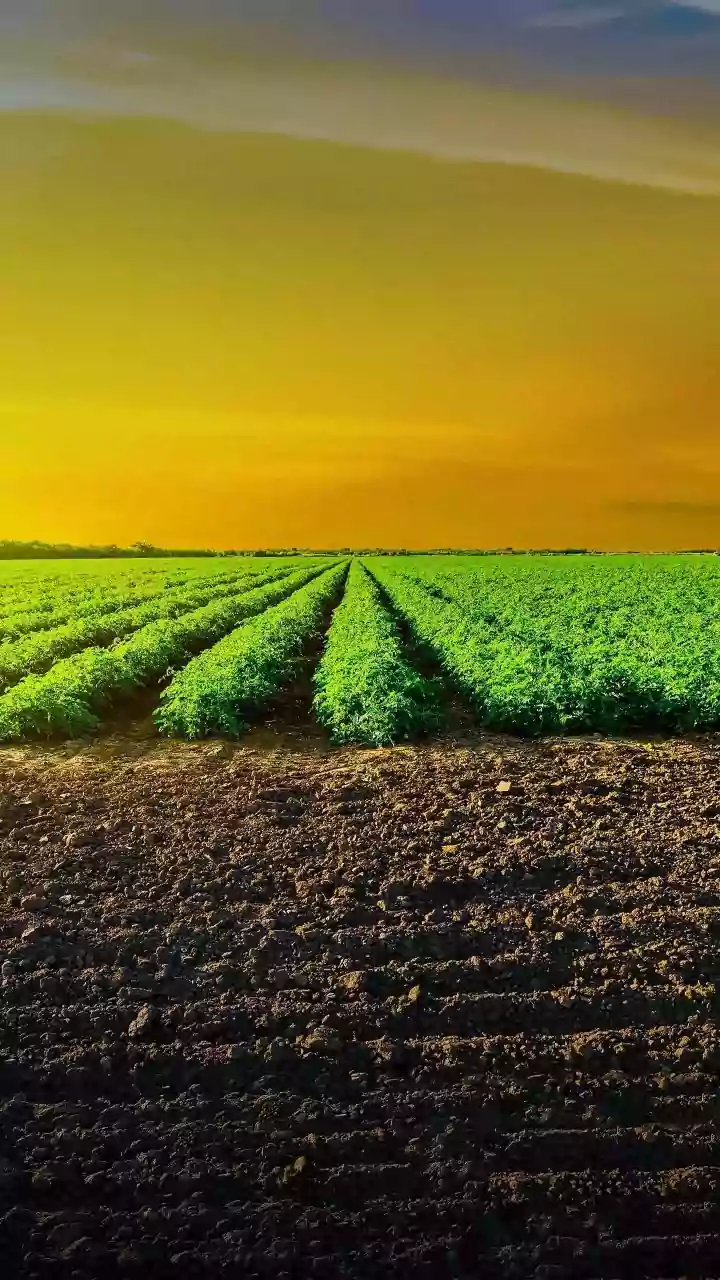
[2] Major corporations and local brands alike are now mandated or motivated to invest in water stewardship, connecting their products to the health of India's vital water cycles. [2, 6] These initiatives range from large-scale watershed management and rainwater harvesting to promoting water-efficient farming. [4, 5] For consumers, this means your choice of brew can directly contribute to replenishing groundwater, supporting farmer livelihoods, and ensuring that communities have access to this precious resource long after the rains have gone. [12]
The Conscious Coffee Choice
The journey of your coffee bean is deeply intertwined with water. Traditionally a water-intensive crop, leading coffee producers in India are now pioneering sustainable practices. Tata Coffee, for instance, has implemented extensive rainwater harvesting systems across its estates in the Western Ghats. [14] By creating over 250 artificial tanks, they capture monsoon runoff, which is then used for irrigation without depleting groundwater. [13, 14] This not only meets up to 95% of their plantations' water needs but also recharges local aquifers. [14] Similarly, companies like Nestlé are working with farmers on ecologically sound practices to reduce agricultural water withdrawal. [7] When you choose brands committed to such practices, like those with Rainforest Alliance or other sustainability certifications, you are supporting a model of coffee production that respects and replenishes local water resources. [16]
Tea That Tends to the Land
The tea industry is also making significant strides. Corporate Social Responsibility (CSR) is a major driver, with companies like Hindustan Unilever (HUL) and ITC undertaking widespread water conservation projects. [2, 5] ITC's Mission Sunehra Kal, for example, focuses on building thousands of water harvesting structures like check-dams and percolation tanks. The company reports being "water positive" for over two decades, meaning it gives back more water to the environment than it consumes in its operations. [5] These efforts go beyond simple conservation. By forming Water User Groups among farmers, they improve irrigation management and restore traditional water bodies, directly benefiting the communities that cultivate the tea you enjoy. [5] Even the packaging is getting a sustainable makeover, with innovations like compostable tea envelopes designed to reduce environmental impact. [17]
Beyond the Brew: Sodas, Spirits, and More
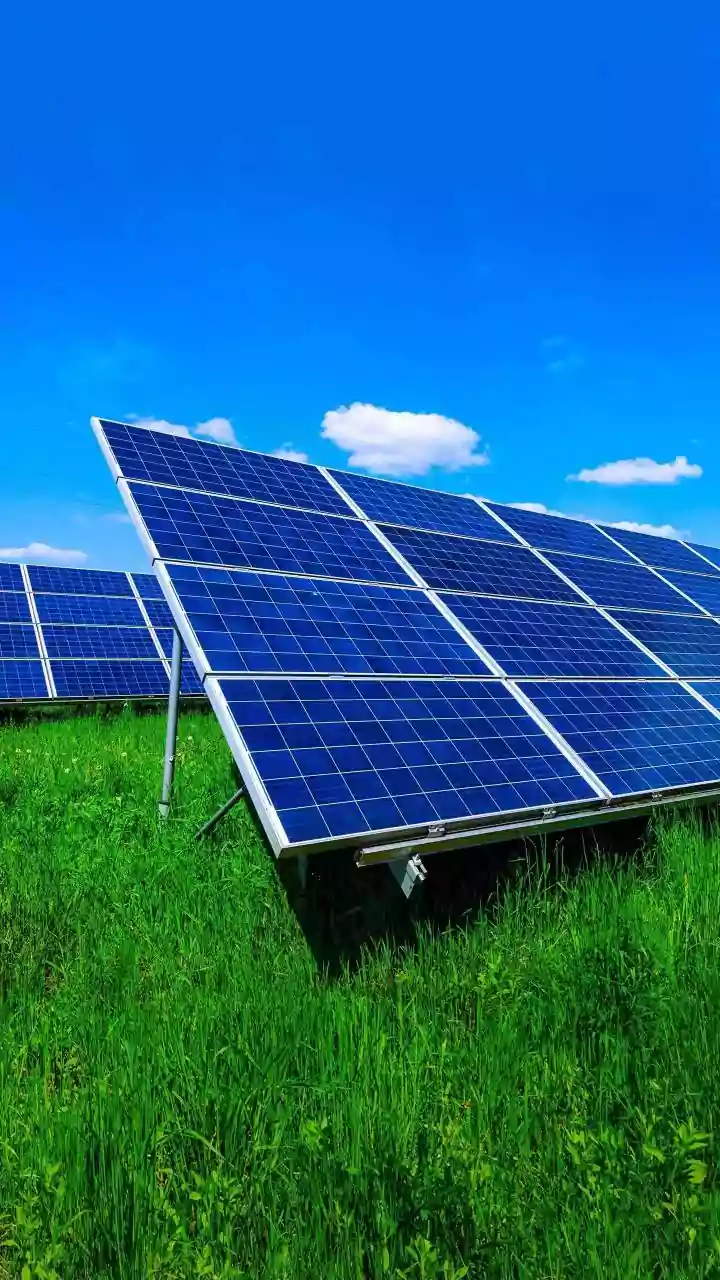
The movement extends beyond just tea and coffee. Major beverage players like Coca-Cola and PepsiCo are heavily invested in water projects across India. [2] Through its Anandana foundation, Coca-Cola has launched numerous initiatives focusing on rainwater harvesting, watershed management, and restoring traditional water sources in water-stressed districts, benefiting thousands of villagers. [4] These projects have rejuvenated billions of litres of water and revived local economies. [4] While these companies have faced criticism in the past regarding their water usage, their pivot towards measurable water replenishment goals is a significant step. [9] In the world of spirits, some companies are using innovative technology; Diageo India, for its Godawan single malt, is using SOURCE® Hydropanels that draw pure water from the air using only sunlight, completely avoiding groundwater use in a dry region like Rajasthan. [8]
How to Be a Mindful Drinker
Making a 'monsoon difference' doesn't require drastic changes. It starts with curiosity and mindful consumption. Look for brands that are transparent about their sustainability practices. Many companies now publish detailed CSR and ESG (Environmental, Social, and Governance) reports outlining their water stewardship projects. [2, 5] Pay attention to certifications on packaging, such as Rainforest Alliance or SA 8000, which indicate adherence to environmental and social standards. [16] When you learn about a brand's initiative, whether it's building a check dam in a village or pioneering water-saving technology, you are voting with your wallet for a more water-secure future. [10] This growing consumer awareness is a powerful force, encouraging more businesses to integrate water conservation into their core strategies. [15]