






The Magic of a Truly Dark Sky
For most of us, the night sky is a pale version of what it should be. City lights create a pervasive glow that washes out all but the brightest stars and planets. But in a few rare places, the darkness is absolute, and the universe reveals itself in breathtaking
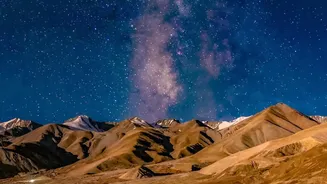
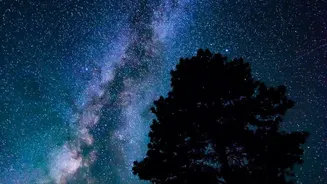
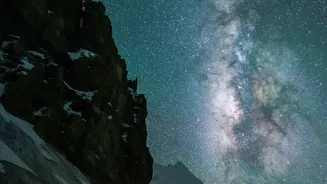
detail. Spiti Valley in Himachal Pradesh is one of those places. Here, the Milky Way isn't a faint smudge; it's a brilliant river of light so bright it can cast a faint shadow. This high-definition celestial experience is what draws a growing number of travellers to the region, eager to see the sky as their ancestors did.
An Ideal Cosmic Observatory
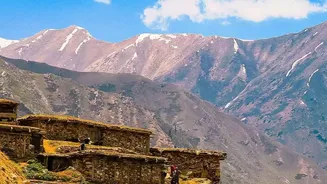
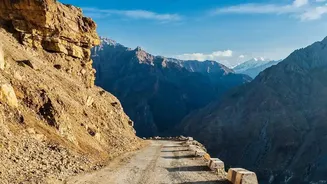
Several factors combine to make villages like Langza a paradise for stargazers. Perched at altitudes often exceeding 14,000 feet, these villages sit above much of the atmospheric interference that can blur views of the stars. The region's cold desert climate means the air is exceptionally dry and clear, with minimal humidity or pollution. This remote location, far from any major urban centre, guarantees almost zero light pollution, earning it a Bortle Scale rating of Class 1—the darkest possible. This natural combination of high altitude, clean air, and profound darkness creates perfect conditions for both naked-eye stargazing and advanced astrophotography.
From Ancient Fossils to Distant Galaxies
Langza has long been known as the 'Fossil Village' of Spiti. Millions of years ago, this region was underwater, and the land is rich with ancient marine fossils. While fossil hunting has been a unique draw for decades, the village is now layering a new identity over its prehistoric one. The same isolation that preserved its geological history has also preserved its pristine night skies. The iconic Buddha statue overlooking the valley, once primarily a daytime landmark, has become a famous subject for astrophotographers, who frame it against the backdrop of a spinning Milky Way. This blend of ancient earthly history and deep-space spectacle creates a powerful and unique appeal.
A Community-Powered Transformation
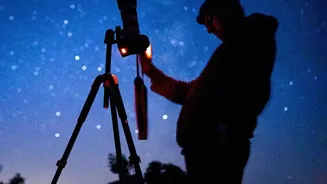
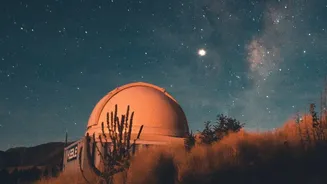
This shift towards astro-tourism is not just happening by chance; it is being actively cultivated, often with the local community at its heart. The Himachal Pradesh government has launched initiatives to promote stargazing in the region, recognizing its potential to strengthen the local economy. High-end, computerised telescopes have been distributed to local youths and homestay owners in villages like Kaza, Langza, and Rangrik. These new entrepreneurs are trained to operate the equipment and guide tourists through the wonders of the night sky. This community-led model ensures that the economic benefits of tourism flow directly into the villages, providing new livelihood opportunities that are both sustainable and rooted in the region's unique environment.
The Future is Looking Up
The rise of astro-tourism in Spiti is part of a larger movement towards more meaningful and sustainable travel. Companies and organisations are collaborating with local communities to develop workshops, guided sessions, and homestay experiences that merge astronomy with cultural immersion. This approach aims to create a holistic experience for visitors, who can explore ancient monasteries by day and galaxies by night. For the communities, it provides a vital source of income that incentivises the preservation of their greatest natural asset: the dark. As light pollution erases the stars from skies elsewhere, these remote Himalayan villages are becoming crucial sanctuaries for darkness and a powerful reminder of our connection to the cosmos.