


The Ancient Art of Fermentation
At its core, fermentation is a natural transformation process. It occurs when microorganisms like bacteria, yeast, or fungi break down the sugars and starches in food. For centuries, this was a primary method of food preservation long before refrigeration
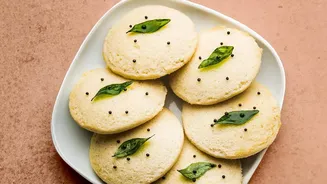
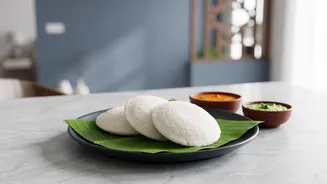
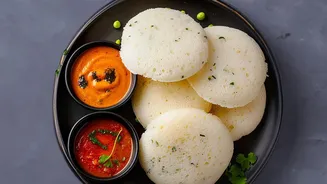
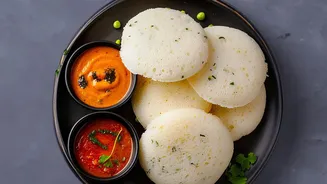
existed. But this process does more than just extend shelf life; it fundamentally changes the food's composition, enhancing its nutritional profile, creating new flavours, and making it easier for our bodies to digest. Think of the magic that turns rice and dal batter into light, airy idlis or milk into creamy dahi. That is fermentation at work, creating foods that are not only preserved but also enriched.
Meet Your Digestive Engines: Enzymes
Digestive enzymes are proteins that act as catalysts, speeding up chemical reactions in your body. Their main job is to break down the food you eat—carbohydrates, proteins, and fats—into smaller, absorbable molecules that your body can use for energy, growth, and repair. Without enough of these enzymes, food can pass through your system without being fully broken down, leading to common digestive complaints like bloating, gas, and discomfort. Your body naturally produces these enzymes in places like your salivary glands, stomach, and pancreas. However, factors like age and diet can affect how many enzymes you produce.
How Fermentation Creates a Bounty of Enzymes
This is where fermented foods truly shine. The very microorganisms responsible for the fermentation process—the bacteria and yeasts—produce a rich array of enzymes as they consume the food's natural sugars. These enzymes begin breaking down complex nutrients within the food itself, essentially 'pre-digesting' it for you. This makes the nutrients in fermented foods more bioavailable, meaning your body can absorb them more easily. For example, the fermentation of dairy to make yogurt or kefir helps break down lactose, the natural sugar in milk, which is why many people with lactose intolerance find these foods easier to digest.
Nourishing Your Gut's Healthy Microflora
Your gut is home to trillions of microorganisms, collectively known as the microflora or microbiome. A healthy, diverse microbiome is crucial for everything from digestion and immunity to mental well-being. Fermented foods support this delicate ecosystem in two key ways. First, they deliver a dose of beneficial live microbes (often called probiotics) that can help maintain a healthy balance of gut bacteria. Second, the enzymes they contain assist your digestive system, ensuring food is broken down properly before it reaches the large intestine. This prevents undigested food from causing issues and helps create an environment where beneficial bacteria can thrive.
Delicious Fermented Foods to Try
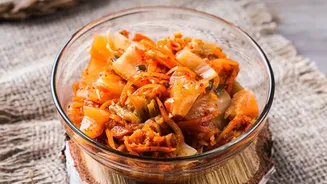
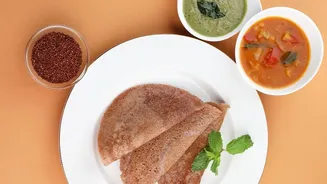
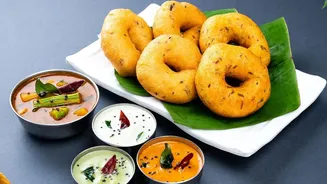
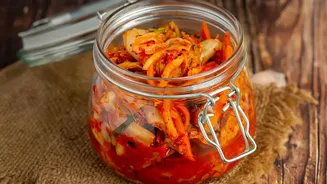
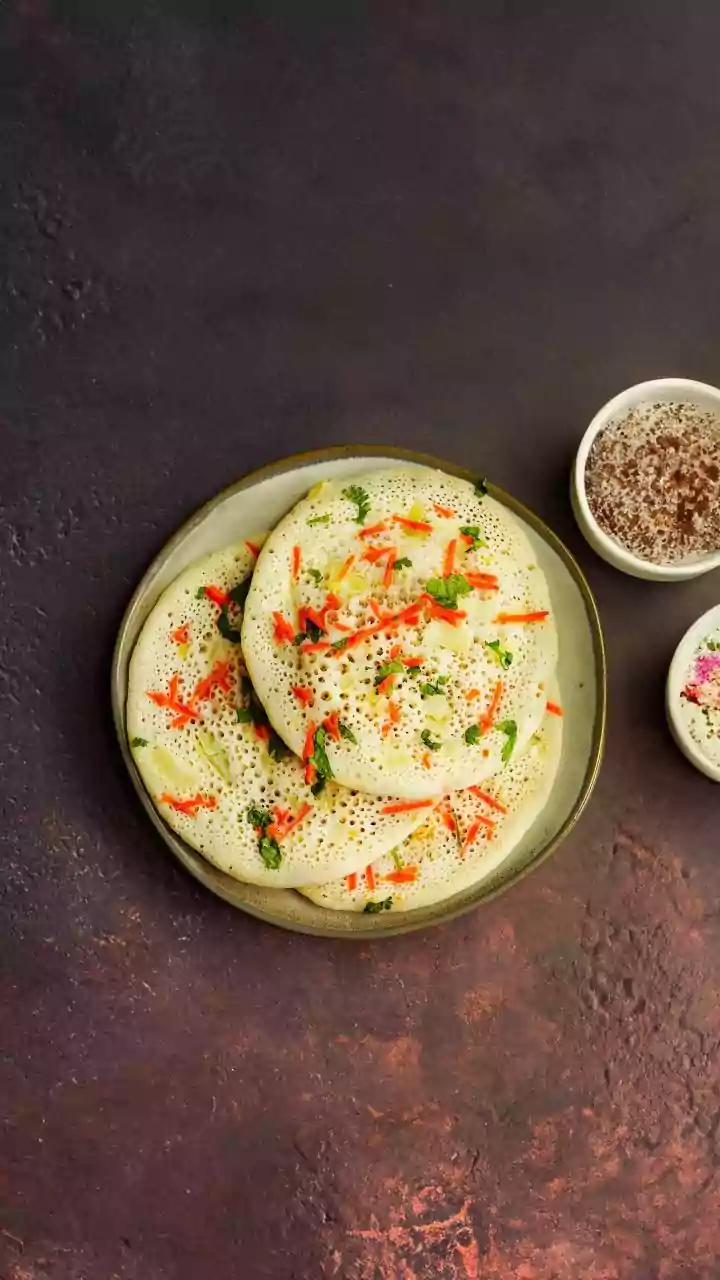
Incorporating these gut-friendly foods into your diet is simple and delicious, especially in India, where they are part of our culinary heritage. Curd (Dahi) is a daily staple packed with beneficial bacteria. South Indian favourites like Idli and Dosa are made from a fermented batter of rice and lentils, making them light and easy to digest. From Gujarat, the steamed snack Dhokla is made from fermented rice and chickpea flour. And don't forget traditional drinks like Kanji, a tangy beverage made from fermented carrots or beets, or the simple goodness of homemade pickles (Achaar), which can also be a source of probiotics.