





The Old Becomes New Again
In cities across India, a quiet food revolution is taking place. Amidst the smoothie bowls and avocado toast, a rustic staple from South India is finding a new generation of fans. Ambali, a fermented porridge made from finger millet (ragi), is moving
from rural kitchens to the menus of trendy health-conscious cafes. For years, it was considered a simple, cooling meal for farmers. Today, it's being celebrated as a sophisticated superfood, and its resurgence reveals a deeper shift in how urban Indians think about health, tradition, and food.
What Exactly Is Ambali?
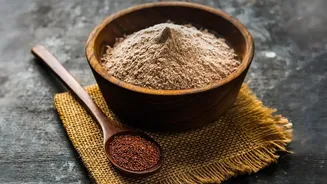
At its core, Ambali is a simple gruel made from ragi flour. What makes it special is the fermentation. Traditionally, ragi flour is cooked into a paste, often with a little rice, and then left to ferment overnight or longer. This process gives it a distinct, slightly sour taste and a thin, porridge-like consistency. It is typically served chilled and can be made savoury with buttermilk, salt, and chopped onions, or sweet with jaggery. Known for its cooling properties, it has long been a go-to summer food in states like Karnataka, Andhra Pradesh, and Telangana.
The Nutritional Power of Ragi
The foundation of Ambali is finger millet, or ragi, a nutritional powerhouse. Ragi is packed with calcium, boasting the highest amount of all cereals, making it excellent for bone health. It is also a rich source of dietary fibre, iron, and essential amino acids. Its high fibre content promotes a feeling of fullness, which can aid in weight management, and its low glycemic index helps in regulating blood sugar levels, making it a valuable food for individuals with diabetes. Being naturally gluten-free, it is also a safe and healthy option for those with celiac disease or gluten sensitivity.
The Magic of Fermentation
The real magic of Ambali, and the key to its modern appeal, is fermentation. This ancient technique enhances the nutritional profile of the already-healthy ragi. The fermentation process breaks down anti-nutrients like phytic acid, which can block the absorption of minerals. This means the body can more easily absorb the rich stores of calcium, iron, and zinc in the millet. Furthermore, fermentation creates probiotics—beneficial live bacteria that are crucial for a healthy gut microbiome. In an era where gut health is linked to everything from digestion and immunity to mood, probiotic-rich foods like Ambali have become highly sought after.
A Return to Sustainable Roots
The Ambali trend isn't just about nutrition; it's also a cultural and environmental statement. Millets like ragi are climate-resilient super crops. They require significantly less water than rice and wheat and can thrive in poor soil without heavy use of pesticides or fertilisers, making them a sustainable choice for farmers and the planet. As consumers become more conscious of their food's origins, there's a growing movement to reconnect with indigenous grains that were sidelined during the Green Revolution. Embracing Ambali is part of a larger trend of looking back to traditional Indian food systems for answers to modern health and environmental challenges.
How Cafes Are Serving Tradition
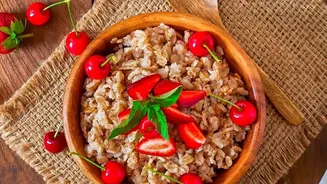
Urban wellness cafes aren't just copying the traditional recipe; they are celebrating it. Many serve Ambali in its classic savoury form, blended with buttermilk and garnished with shallots, green chillies, and curry leaves, presenting it as a cooling, hydrating, and gut-friendly drink. Others are experimenting with sweet versions, using coconut milk and natural sweeteners, or creating thicker porridge bowls with modern toppings like seeds and fresh fruit. By placing Ambali on their menus, these establishments are bridging the gap between generations, reintroducing a time-tested recipe to a new audience that values both authenticity and science-backed health benefits.