






Moving Beyond the Scale
For decades, the Body Mass Index (BMI) has been the standard for assessing health. Yet, its limitations are well-known; it fails to distinguish between fat and muscle and doesn't account for fat distribution. A person can have a 'normal' BMI but still
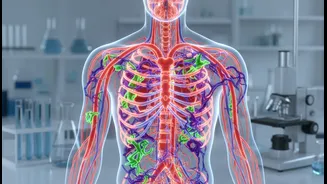
carry high levels of visceral fat around their organs, a key risk factor for metabolic disease. Experts are now pushing for a more nuanced view of health, using metrics like waist circumference, body composition, and markers for inflammation and organ function. This shift is crucial because true health isn't just about weight, but about how our bodies function. The rise of new medications provides a unique opportunity to accelerate this change in perspective, moving the goalposts from a simple number to a more comprehensive state of well-being.
The Unexpected Power of New Medications
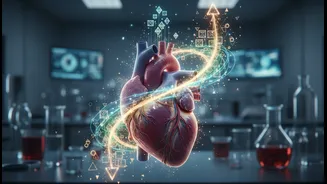
Glucagon-like peptide-1 (GLP-1) receptor agonists, the class of drugs that includes semaglutide and tirzepatide, do more than just suppress appetite. Research has revealed a host of benefits that are independent of weight loss. Clinical trials have shown these medications can significantly reduce the risk of major cardiovascular events like heart attacks and strokes. They also show promise in protecting kidney function, improving liver health, and reducing chronic inflammation, which is a key driver of many diseases. Some studies even suggest potential benefits for brain health, possibly lowering the risk of cognitive decline. These drugs are not just weight-loss tools; they are powerful metabolic therapies that address health at a systemic level, reinforcing the idea that progress can't be measured by weight alone.
Exercise: More Than Just Burning Calories
While GLP-1 medications are transformative, they come with a significant catch: rapid weight loss often includes the loss of lean muscle mass. This is where exercise, particularly strength training, becomes non-negotiable. Preserving muscle is critical because muscle is metabolically active tissue; the more you have, the higher your resting metabolism, which is essential for long-term weight management. Exercise also offers a whole suite of benefits that medication alone cannot. It improves insulin sensitivity, strengthens bones, enhances mood by releasing endorphins, reduces stress, and promotes better sleep. Regular physical activity is crucial for maintaining functional strength, allowing people to perform daily activities with ease and remain independent as they age. Without it, the weight loss seen on medication may not translate into genuine, sustainable health.
A Powerful Partnership for the Future
The true opportunity lies not in choosing between medication and exercise, but in combining them. Think of GLP-1 drugs as a catalyst that makes meaningful lifestyle changes more achievable. By reducing appetite and 'food noise', they can help create the headspace and physical capacity for a person to build a consistent exercise routine. Research shows that combining GLP-1 therapy with structured exercise, especially resistance training, leads to superior outcomes. Patients who do both tend to lose more fat while preserving or even building vital muscle mass, resulting in a healthier body composition. This synergy is the key to not only achieving weight loss but also maintaining it long-term, as exercise helps prevent the common rebound weight gain seen when medication is stopped.