






What Exactly Is El Niño?
At its simplest, El Niño is a natural climate pattern marked by the unusual warming of surface waters in the eastern and central tropical Pacific Ocean. This change in ocean temperature, which occurs every two to seven years, might seem remote, but it sets
off a chain reaction across the globe. It disrupts wind and rainfall patterns, leading to extreme weather events: some regions experience severe droughts, while others face intense floods. For India, the primary concern is El Niño's well-documented link to a weaker southwest monsoon, the lifeblood of the country's agriculture. Global agencies have confirmed that El Niño conditions are not only present but are expected to strengthen in the latter half of 2026.
From Weak Monsoon to Stressed Farms
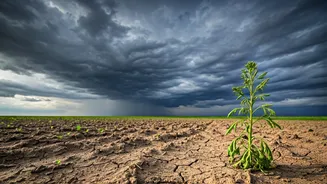
The connection between El Niño and your shopping basket begins on the farm. A significant portion of Indian agriculture is rain-fed, making it highly dependent on the monsoon. The current El Niño has already been linked to a significant rainfall deficit in June 2026, which was the fifth-driest June since 1901. This has delayed the sowing of crucial kharif (summer) crops across the country. The lag in planting is particularly concerning for oilseeds, pulses, and cotton. A weak or erratic monsoon directly impacts crop yields, leading to lower production. This isn't just a problem for farmers' incomes; it creates a supply crunch that inevitably ripples through the entire economy.
The Items Seeing the Biggest Impact
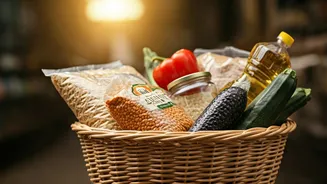
The impact of these agricultural disruptions is not uniform. Certain commodities are more vulnerable and are the first to reflect the effects on your grocery bill. Key items to watch include: Edible Oils: With El Niño causing drier conditions in Southeast Asia, the production of palm oil—a key ingredient in many Indian households—is at risk. India is a major importer of vegetable oils, and any global supply disruption quickly translates to higher prices here. Rice and Pulses: Rice is directly linked to the health of the monsoon. A shortfall in rain can reduce yields and stoke food security concerns. Similarly, pulses, a staple source of protein, are also vulnerable to poor rainfall during the kharif season. Sugar: El Niño can lead to drier weather in major sugar-producing regions like India and Thailand, potentially pushing prices higher. While India has some policy levers, like diverting cane from ethanol production, a significant drop in output remains a risk. Coffee and Cocoa: Global supplies of robusta coffee, largely grown in Vietnam and Indonesia, are threatened by the hotter, drier weather associated with El Niño. Cocoa prices are also notoriously sensitive to weather disruptions in producing regions.
Why This Time Feels Different
While El Niño is a recurring phenomenon, the 2026 event is unfolding in a world already grappling with heightened climate change and economic instability. This El Niño is acting on top of an already warmer climate system, which can amplify extreme weather events. This means the droughts or floods could be more severe than in the past. Furthermore, the global food supply chain is still recovering from other shocks, making it more sensitive to new disruptions. Economists warn that this confluence of factors could lead to a broader and more sustained period of food inflation than seen during previous El Niño cycles, affecting not just one or two items but a wide range of staples simultaneously.