
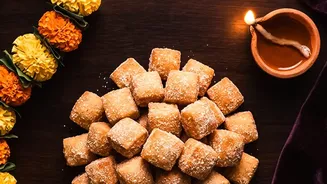


A Sweet Steeped in Legend
The story of Mathura is inseparable from the story of Lord Krishna, and so is the story of its peda. The Braj region, encompassing Mathura and nearby Vrindavan, has always been a land rich in cattle and dairy. Stories of Krishna's childhood are filled
with references to milk, butter, and curd. It is this deep-rooted dairy culture that provided the perfect environment for a milk-based sweet to become a local specialty. Local lore even tells of Krishna's mother, Yashoda, accidentally leaving milk on the fire for too long. When it thickened, she added sugar, creating a treat so beloved by the young god that it became a permanent offering. Whether historical fact or loving folklore, the connection is unbreakable. The peda is not just from Mathura; it is a part of its divine identity.
The Art of Simplicity
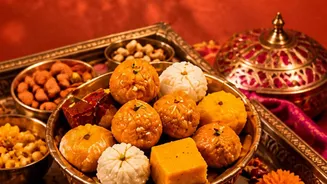
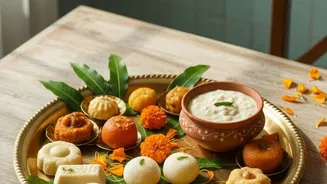
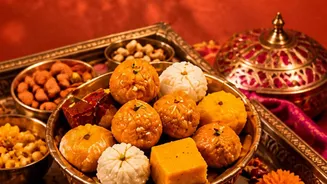
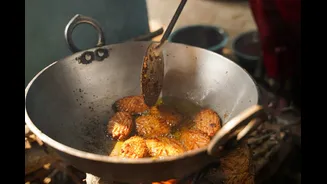
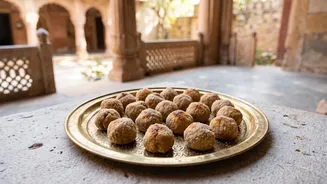
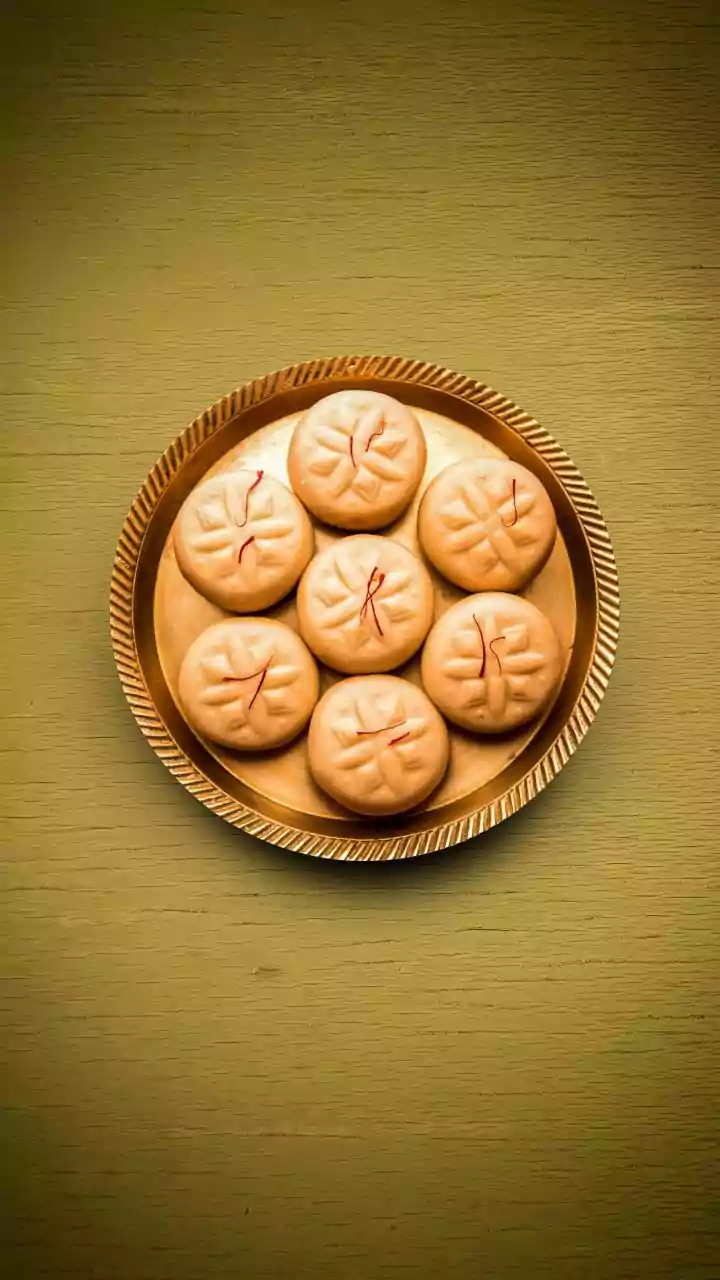
What sets the Mathura Peda apart from countless other Indian milk sweets is its unique preparation and resulting character. The process is a labour of love, traditionally starting with pure milk, which is slowly simmered in large, wide pans until most of the water evaporates, leaving behind a thick, crumbly mass of milk solids known as khoya or mawa. The magic happens in the next step. This khoya is roasted patiently, often with a little ghee, until the milk sugars begin to caramelise. This slow roasting gives the peda its signature tan or brownish colour, its slightly grainy texture, and a deep, rich, caramelised flavour that distinguishes it from paler, softer pedas found elsewhere. Finally, sugar—traditionally a type of unrefined powdered sugar called 'bura'—and aromatic cardamom are worked into the mix before it's shaped by hand into small, dense discs.
The Undisputed 'Peda Capital'
A trip to Mathura is incomplete without two things: a visit to its sacred temples and a taste of its famous peda. The city's reputation as the 'Peda Capital' is well-earned. Countless shops, from large, well-known establishments to tiny, generations-old counters, line the streets, each selling their version of the iconic sweet. This commercial proliferation is fuelled by pilgrimage. Devotees flocking to Krishna's birthplace consider the peda an essential offering, or 'prasad'. They purchase boxes not just for the gods but to take home as a blessed gift for family and friends. This practice has transformed the peda from a local delight into a nationally recognised symbol of Mathura's spiritual and culinary heritage. The phrase 'Mathura ka Peda' has become a brand in itself, embedded in folklore and proverbs.
Protecting a Precious Legacy
In a world of mass production, protecting the authenticity of traditional foods is a growing concern. The fame of Mathura Peda has led to many imitations, and the problem of adulterated khoya, especially during festival seasons, is a persistent issue. To safeguard this culinary heritage, efforts have been underway to secure a Geographical Indication (GI) tag for the Mathura Peda. A GI tag is a form of legal protection that certifies a product's origin and ensures it is made according to traditional methods. While the application, filed by the Mithai Association Mathura, has been in the pipeline for several years, the goal is to provide consumers with an assurance of quality and authenticity. As of late 2026, the tag is still pending, but its eventual approval would formalise the peda's unique link to its place of origin.