






More Flavour, Less Waste
The idea of using peels that are typically discarded is central to sustainable kitchen practices. It’s not just about reducing the amount of food that goes to waste; it’s about discovering the untapped potential in every part of an ingredient. Citrus
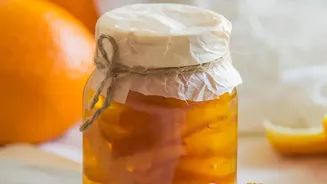
peels, in particular, are packed with aromatic essential oils, vitamins, and a zesty flavour that is far more intense than the juice. While they are often thrown out, these peels can be the star of a delicious, tangy, and spicy preserve that pairs wonderfully with everything from dal and rice to parathas and dosas. By making chutney from them, you are not only cutting down on kitchen waste but also creating a condiment that is bursting with unique character and health benefits.
Getting Started: Peel Preparation
Proper preparation is key to a delicious, non-bitter chutney. Start by washing your citrus fruits thoroughly under warm water. Using a vegetable brush can help remove any surface residues. If you can, opt for organic citrus to minimise exposure to pesticides. The main source of bitterness in citrus peel is the white pith underneath the colourful zest. For a milder chutney, you can scrape off as much of this pith as possible with a spoon or knife. Another effective method to reduce bitterness is blanching. Simply boil the peels in water for about five minutes, then drain and rinse. Repeating this process two or three times can significantly mellow out any harsh flavours, leaving you with a pleasant citrus base.
A Basic Recipe for Tangy Orange Peel Chutney
This versatile recipe works well with the peels of oranges, lemons, or a mix of citrus. You’ll need about one cup of finely chopped peels. In a pan, heat a bit of oil and temper with mustard seeds, a pinch of hing (asafoetida), and curry leaves. Add the chopped citrus peels and sauté for a few minutes. To this, add your flavouring agents: salt to taste, a teaspoon of turmeric powder, finely chopped green chillies or red chilli powder for heat, and about a tablespoon of jaggery for sweetness. To balance the flavours and help soften the peels, add a small amount of tamarind paste and about half a cup of water. Allow this mixture to simmer until the peels are tender and the chutney has thickened to your desired consistency. This process usually takes around 15-20 minutes. For an extra layer of nutty flavour, you can add a spoonful of roasted and powdered sesame seeds at the end.
Customise Your Creation
The beauty of this chutney lies in its adaptability. You can easily adjust the ingredients to suit your palate. For a spicier kick, add more chillies or a pinch of black pepper. For a sweeter preserve, increase the amount of jaggery or sugar. You can also introduce other spices like grated ginger, fenugreek seeds, or coriander powder. Different citrus fruits will yield different results. Lemon peel provides a sharp, tangy flavour that is intensely refreshing. Orange peel, especially from Nagpur oranges, offers a sweeter, more aromatic base. Don't be afraid to experiment with combinations, such as mixing lemon and orange peels, or even adding the peels of mosambi or grapefruit for a more complex profile.
Beyond the Chutney Jar
Once you get into the habit of saving your citrus peels, you'll find they have countless uses beyond chutney. You can dry the zest and grind it into a powder to create a zesty seasoning for salads and soups. Thin strips of peel can be candied by simmering them in sugar syrup to create a sweet treat, perfect for baking or dipping in chocolate. You can also use peels to infuse oils or vinegars, creating aromatic bases for salad dressings and marinades. Even your home can benefit; a few peels dropped into a garbage disposal can help freshen it up, and simmering them on the stove will fill your kitchen with a clean, citrusy scent.