





The New Nerve Centre: Micro-Fulfillment
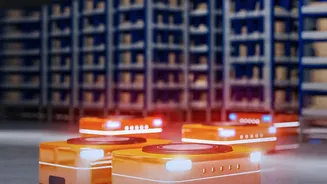
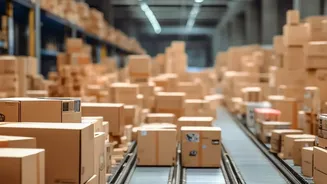
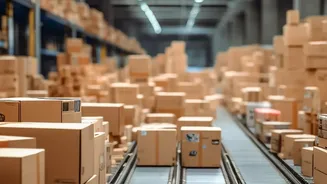
First, let's break down the jargon. A micro-fulfillment center (MFC) is a small-scale, often highly automated warehouse located inside a city, much closer to customers than a traditional, massive warehouse on the outskirts. Think of it as a compact, hyper-efficient
hub, sometimes as small as the backroom of a store, designed to get products out for delivery at lightning speed. Instead of orders traveling from a distant regional depot, they are picked, packed, and dispatched from just a few kilometres away. This model is the engine behind the rise of quick commerce—the 10-to-30-minute delivery services for groceries and essentials that are becoming a consumer habit.
The Rush Beyond the Metros
For years, the e-commerce battle was fought and won in Tier 1 cities like Mumbai, Bengaluru, and Delhi-NCR. But these markets are now saturated, with multiple players competing fiercely for the same customers. The real growth story has shifted. Today, India's Tier 2 and Tier 3 cities—places like Jaipur, Lucknow, Coimbatore, and Indore—are driving the next wave of e-commerce demand. These cities now account for over 60% of all e-commerce shipments, a figure that is climbing steadily. Companies have realised that the future of their growth depends on winning over consumers in these regional hubs, where aspirations and spending power are rising fast.
The Economic Logic: Faster, Cheaper, Closer
Moving into Tier 2 cities isn't just about finding new customers; it's also smart business. Setting up a micro-fulfillment center in a city like Nagpur or Surat is significantly cheaper than in South Delhi, with real estate and labour costs being substantially lower. While the average order value might be slightly lower than in metros, this is offset by more stable demand and lower operational expenses. More importantly, this model solves a fundamental problem for non-metro consumers: access. For many, e-commerce isn't just about convenience; it's the only way to get access to a wide variety of brands and products not available in local stores. By placing inventory closer to this booming demand, companies can provide the reliable, fast delivery that builds consumer trust and loyalty.
A Recruitment Boom for a New Workforce
This strategic shift is creating a massive wave of employment opportunities across regional India. The logistics sector is already one of the country's largest employers and is projected to add 10 million jobs by 2027. A significant portion of this growth is happening outside the major metros, with some reports showing nearly 70% of the formal workforce is now in Tier 2 and Tier 3 regions. Companies like Flipkart, Zepto, and Swiggy Instamart are aggressively expanding their networks of dark stores and fulfillment hubs, each requiring staff. The jobs being created range from delivery partners and warehouse staff (pickers, packers) to local hub managers and operations supervisors. This provides a vital source of stable employment, with many companies offering streamlined onboarding and weekly pay.