


Why Damp Grass is Risky
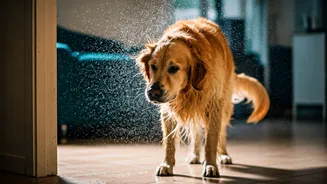
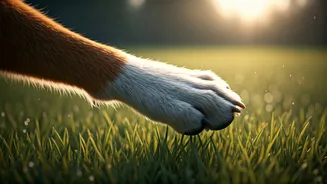
The problem isn’t the grass, but the lingering moisture. A dog's paw pads, with their crevices and fur, trap water easily. This warm, enclosed space becomes a breeding ground for bacteria and yeast, a risk amplified in India's humid monsoon climate. What
starts as a wet paw can become pododermatitis (paw inflammation), causing significant discomfort. It’s not just about cleanliness; it’s about preventing the chain reaction of irritation and infection that prolonged dampness triggers.
What to Look for After a Walk
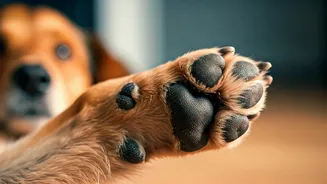
Vigilance is your best tool. After a walk on wet surfaces, get into the habit of a quick inspection. Look for redness or inflammation between the paw pads. Is your dog excessively licking or chewing their paws? That’s a classic sign of irritation. Smell their paws; a yeasty or "corn chip" odour often indicates a fungal infection. Also, check for small cuts or thorns missed on a wet paw. Damp environments are a haven for parasites like ticks and leeches, which can hide between toes. Catching these signs early can stop a minor issue from becoming a major infection.
A Simple Post-Walk Paw Routine
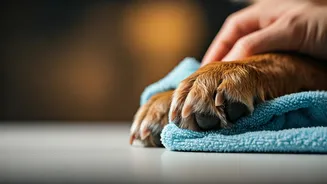
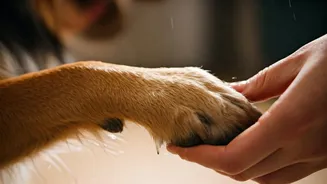
A consistent routine is key. First, have a towel near the door and thoroughly wipe each paw, paying close attention to the areas between the toes. For long-haired breeds, a hairdryer on a cool setting is effective. Once dry, gently spread their toes to inspect the skin for redness, swelling, or foreign objects. This is also the perfect time to do a thorough check for ticks or other parasites. Making this a non-negotiable step after every wet walk transforms it from a chore into a crucial part of your pet care regimen.
Preventive Care for Healthy Paws
A few preventive strategies can make a big difference. Keeping the fur between your dog's paw pads trimmed short is highly effective. Less fur means less surface area to trap moisture and debris, making cleaning easier. Ask your groomer to do this or learn to do it safely at home. Applying a thin layer of a pet-safe paw balm before a walk creates a protective barrier against moisture. If your dog is prone to issues, consider a final paw rinse with a diluted, vet-approved antiseptic solution after cleaning, ensuring you dry them completely.
When to Call the Veterinarian
While home care is effective, some symptoms warrant a vet's attention. If your dog is limping or consistently avoiding weight on a paw, it's time to call. A strong, persistent foul odour that doesn’t go away with cleaning is another red flag. Other warning signs include visible pus, swelling, or open sores your dog won't stop licking. Do not try to treat these severe conditions with home remedies, as this can make the problem worse. Your vet can accurately diagnose the issue and prescribe the right medication.