






So, What Exactly Is Hydroponics?
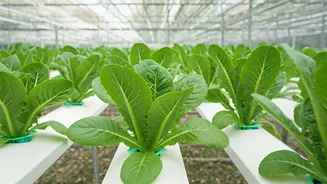
At its core, hydroponics is a method of growing plants without soil. Instead of pulling nutrients from the ground, plants are nourished by a water-based mineral nutrient solution. Their roots might be suspended directly in this solution or supported by an inert
medium like perlite or coconut coir. Think of it as delivering a perfectly balanced meal directly to the plant's roots, allowing it to focus its energy on growing strong and healthy rather than searching for food in the dirt. This method has been used by scientists for over a century but is now scaling up for commercial and home use.
Why Is It Taking Off in India?
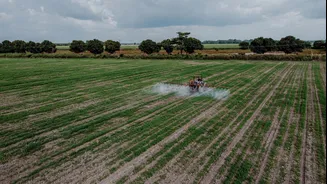
Several factors are driving the hydroponics boom in India. Rapid urbanisation is shrinking available farmland, making space-efficient farming crucial. At the same time, consumers are increasingly demanding fresh, safe, and chemical-free produce year-round. Hydroponics answers this call perfectly. Since it’s done in a controlled environment, it isn't dependent on seasons or weather, a huge advantage given the unpredictability of monsoons. Furthermore, it addresses the critical issue of water scarcity, as hydroponic systems can use up to 90% less water than traditional agriculture by recirculating it.
The Perks on Your Plate
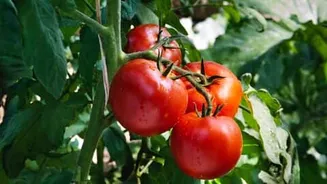
For the consumer, the benefits are tangible and tasty. Because hydroponic farms can be set up anywhere—from rooftops to warehouses—they bring production into the heart of cities. This drastically shortens the supply chain, meaning the lettuce, herbs, and tomatoes you buy are fresher, often harvested just hours before they hit the shelf. This controlled environment also minimises the need for chemical pesticides, resulting in cleaner, safer produce for your family. Many also find that hydroponically grown vegetables have an enhanced flavour and texture.
Greens Without the Guesswork
One of the key advantages of hydroponics is control. By managing everything from the nutrient mix to the light cycles, growers can produce crops of a consistently high quality. There's no guessing about soil quality, no battling with soil-borne pests, and no worrying about a sudden dry spell ruining the harvest. This consistency is a win for both farmers and consumers. It leads to higher and more predictable yields for growers and ensures that the bunch of basil or head of lettuce you buy this week is just as good as the one you bought last week.
Is It a Perfect Solution?
While promising, hydroponics isn't without its challenges in the Indian context. The high initial setup cost can be a significant barrier for many farmers, with commercial systems requiring substantial investment. These systems also demand technical knowledge to manage nutrient levels, pH, and climate controls effectively. Furthermore, the need for a reliable, uninterrupted power supply for pumps and lighting can be an issue, particularly in rural or semi-urban areas. As a result, the price of hydroponic produce can sometimes be higher than traditionally farmed vegetables, although this is changing as the technology becomes more widespread.
The Future of Your Salad Bowl
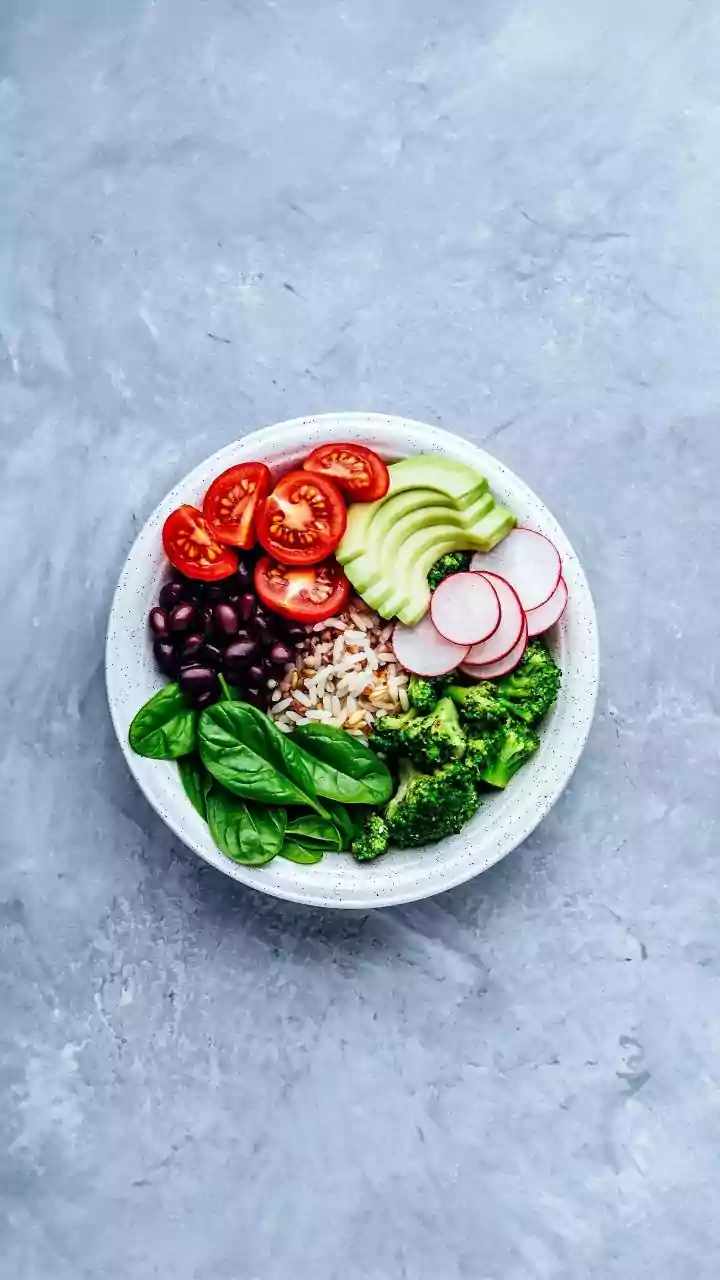
Despite the hurdles, the future of hydroponics in India looks bright. The market is projected to grow significantly in the coming years. As technology becomes more affordable and awareness grows, we can expect to see more hydroponic farms, both large-scale commercial operations and smaller community-based or even at-home systems. Government initiatives and subsidies are also helping to encourage adoption. This trend is not just about a new way to farm; it’s about building a more resilient, sustainable, and secure food system for India’s cities, ensuring that access to fresh, healthy greens is no longer a luxury, but an everyday reality.