








The Incredible Shrinking Lounge Access
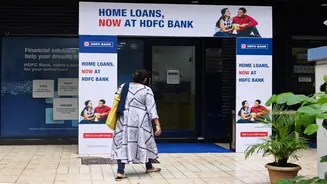
Complimentary airport lounge access was once a staple of premium and even mid-tier credit cards, but it's becoming a heavily conditional benefit. Many banks are now implementing spend-based criteria to unlock this perk. For instance, starting July 1,
2026, some HDFC Bank cardholders will need to spend at least ₹60,000 in a calendar quarter to get free domestic lounge visits in the next quarter. This trend is widespread, with issuers like ICICI Bank and Axis Bank also linking lounge access to minimum spending requirements of around ₹50,000 in the preceding months. Furthermore, some cards, such as the Airtel Axis Bank Credit Card and several RuPay Platinum variants, have seen their complimentary lounge access benefits removed entirely since early 2026. This shift means that the perk is no longer a guaranteed freebie but a reward for consistent, high-value spending.
Reward Points: The Silent Devaluation
The value of a reward point is not fixed. Banks can, and frequently do, devalue their loyalty programs. This can happen in several ways: increasing the number of points needed for a flight or voucher, capping the points you can earn in certain categories, or removing high-value redemption partners. Recently, card issuers have been tightening their reward structures. For example, some banks no longer offer reward points on transactions like rent payments or wallet loads. IDFC First Bank capped the validity of its reward points to two years, while American Express increased the spending required to achieve milestone benefits on its popular Platinum Travel card. This continuous 'devaluation' means hoarding points is a risky strategy; their purchasing power can decrease overnight, making it essential to redeem them regularly.
The Myth of 'No-Cost' EMIs
The 'No-Cost EMI' is one of the most attractive offers for big-ticket purchases, but it's rarely ever truly free. While you may not be charged interest, there are other costs involved. Most banks charge a non-refundable processing fee, which can range from ₹199 to over ₹999 plus GST. Additionally, the Reserve Bank of India does not permit interest-free loans, so the 'interest' component is often disguised as an upfront discount from the seller that you forego by choosing the EMI option. You will also be charged GST on this interest component that the bank pays on your behalf. Furthermore, opting for an EMI blocks the entire purchase amount from your credit limit, which can spike your credit utilisation ratio and potentially lower your credit score if not managed carefully.
How to Stay Ahead of the Changes
In this dynamic environment, being a passive cardholder is costly. The first step is to actively read all communications from your bank. Issuers are required to notify you of changes, but these emails and SMS alerts are often dense and easy to ignore. Pay close attention to any mention of "updated terms" or "revised fee structures." Secondly, review your card benefits annually. If the perks you value, like lounge access, have been diminished or made conditional, weigh them against the annual fee. It might be time to downgrade or switch to a different card that better suits your spending habits. Finally, understand that banks are running a business. Perks are adjusted to manage costs and drive specific customer behaviours. By staying informed, you can ensure you are still getting maximum value from your credit card.