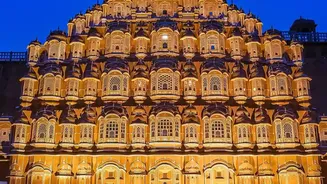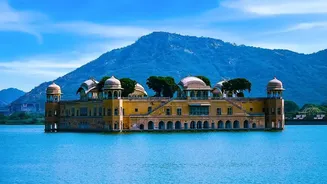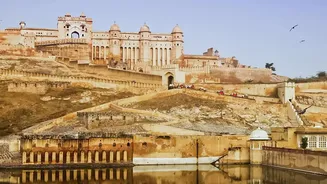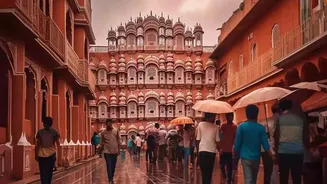


Jaipur, the Pink City, has long captivated travellers with its majestic forts and royal palaces. But a prestigious new global recognition offers a fresh reason to visit, inviting you to discover the vibrant, living culture beyond its famous landmarks.
A New Honour on the World Stage
Jaipur has recently been named in National Geographic's prestigious 'Best of the World 2027' list, an honour that highlights its unique blend of heritage and modernity. This recognition isn't just for the architectural splendour of Amer Fort or Hawa Mahal; it celebrates the city's living traditions, burgeoning creative scenes, and the upcoming 300th anniversary of its founding in 2027. This global spotlight affirms what many travellers are now seeking: authentic experiences that connect them to a place's true character. For Jaipur, this means looking past the magnificent gates of its palaces and into the quieter lanes, bustling local markets, and innovative cultural spaces that shape its soul.
The Geometric Wonder of Panna Meena Ka Kund
A short distance from the bustling Amer Fort lies a striking architectural gem that many visitors miss: Panna Meena Ka Kund. This 16th-century stepwell is a masterpiece of design, with perfectly symmetrical staircases creating a mesmerising geometric pattern that descends to the water below. Originally built as a source of water and a community gathering place, it now offers a tranquil escape and a fantastic photo opportunity. Unlike the grand palaces, the experience here is one of quiet contemplation, allowing you to appreciate the ingenuity of ancient water management systems and enjoy a moment of peace away from the crowds.
An Unexpected Urban Wildlife Safari
In a surprising contrast to its historical monuments, Jaipur is home to India's first leopard reserve, Jhalana Leopard Safari Park, located right on the edge of the city. This unique urban wilderness offers a thrilling adventure for nature lovers. Once the hunting grounds of royalty, the 20-square-kilometer reserve is now a protected habitat for over 40 leopards, which have become accustomed to the safari jeeps, allowing for excellent daytime sightings. In just minutes, you can go from the city's lively streets to the rugged Aravalli landscape, tracking not just leopards but also hyenas, desert foxes, and numerous bird species. It’s a side of Jaipur that reveals the region's rich biodiversity.
A Hub for Modern Art and Culture
To understand contemporary Jaipur, a visit to Jawahar Kala Kendra (JKK) is essential. Designed by the renowned architect Charles Correa, this multi-arts center is an architectural marvel inspired by the city's original nine-square plan. It serves as a vibrant hub for Rajasthan's arts and crafts, hosting everything from art exhibitions and theatre festivals to music recitals and workshops. JKK is not a museum of the past but a living institution that fosters creativity and connects traditional arts with modern expression. Spending an afternoon here offers a glimpse into the creative energy that is helping to redefine Jaipur's cultural landscape for the 21st century.
Authentic Finds in Kishanpole Bazaar
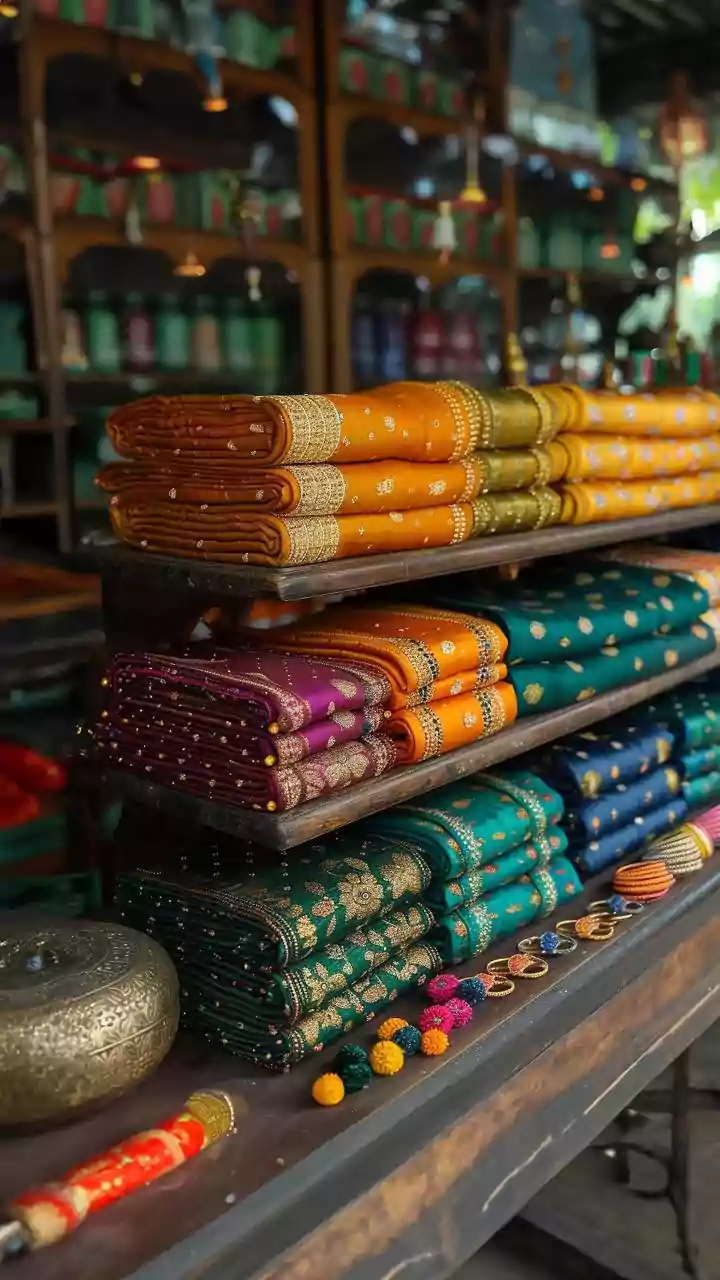
While Johari and Bapu Bazaars are famous among tourists, for a more local shopping experience, head to Kishanpole Bazaar. Known for its textiles and wooden crafts, this market offers a less crowded, more authentic glimpse into the city's commercial heart. It's the perfect place to find beautifully crafted wooden furniture, colourful Bandhani (tie-dye) fabrics, and other handloom textiles at reasonable prices. Exploring its lanes allows you to observe local artisans at work and purchase items that are deeply connected to the region's centuries-old craft traditions, providing a more rewarding souvenir than those found in the main tourist thoroughfares.