






The future of Indian auto retail is no longer exclusive to sprawling metro showrooms. Major brands are now launching sophisticated 'experience centres' in smaller cities. This isn't just expansion; it's a calculated move to win India's next million car
buyers.
From Showroom to Experience Hub
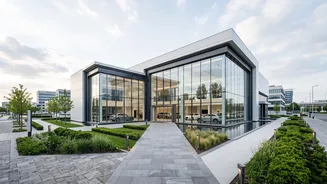
For decades, a car showroom was a place of transaction. You walked in, looked at cars, negotiated a price, and drove out. Today, that model is evolving. Major automotive players, from mass-market leaders like Maruti Suzuki to luxury giants like Mercedes-Benz, are investing in 'experience centres'. These are less about immediate sales and more about creating an immersive brand environment. Unlike traditional dealerships, these centres are designed to be low-pressure zones. Customers can interact with cars using virtual reality, use digital configurators to build their dream vehicle, and understand complex technology like electric powertrains without a salesperson pushing for a quick closure. The goal is to build a relationship and educate the consumer, turning a simple purchase into a memorable brand interaction.
The New Epicentre of Aspiration
The strategic shift to non-metro areas is driven by a powerful economic and demographic transformation. Tier-2 and Tier-3 cities like Jaipur, Lucknow, Surat, Coimbatore, and Nagpur are no longer 'small towns' in the traditional sense; they are burgeoning economic hubs. A July 2026 report highlighted that the share of affluent households in these cities grew by a staggering 76% over six years. This new wealth, combined with rising digital connectivity and exposure to global trends, has created a massive, aspirational consumer base that was previously underserved. These customers are digitally savvy, well-researched, and have the purchasing power to match their metro counterparts. For them, a car is not just a utility but a significant marker of success and lifestyle upgrade. Car companies have recognised that this is where the next wave of substantial growth will come from, especially as major metros reach market saturation.
Tapping into Untapped Potential
The data paints a clear picture: the centre of gravity for auto sales is shifting. Recent reports show that Tier-2 cities now account for a majority of used car sales, an indicator of rising four-wheeler adoption and aspiration. One 2025 report noted that Tier-2 cities drove 62% of used car sales, compared to just 38% in metros. Automakers are applying this logic to the new car market. Maruti Suzuki, for example, is aggressively expanding its premium Nexa network into smaller towns with 'Nexa Studio' formats, which are compact, two-car display showrooms designed specifically for these markets. The company noted that 37% of its premium Nexa sales already come from Tier-2 and Tier-3 cities, even when customers had to travel long distances to a showroom. By taking the brand directly to these customers, companies are removing a major barrier to purchase and building crucial local trust.
A 'Phygital' Retail Strategy
The modern Indian car buyer often begins their journey online. They research models, compare features, and watch reviews long before stepping into a physical store. Experience centres are designed for this 'phygital' (physical + digital) reality. They serve as a crucial touchpoint where online research transitions into a tangible experience. A customer might configure a car online and then visit an experience centre to see the exact colour, touch the interior fabrics, and take a test drive. This hybrid model allows brands to gather valuable data on consumer preferences while providing the human interaction and trust that remain essential for a highvalue purchase. Luxury brands like MercedesBenz are even pioneering 'direct to customer' models where pricing is transparent and national, with the experience centre acting as a facilitator for a seamless, omnichannel journey.
Building the Brand for the Long Haul
Ultimately, opening an experience centre in a city like Ludhiana or Kanpur is a long term investment in brand building. In markets where brand loyalty is increasingly fluid, creating a positive, memorable experience can be a key differentiator. These centres help establish a premium perception even for mass market brands and build a foundation of trust and aspiration. They also double as service and support hubs assuring customers that post sales support is readily available—a critical factor in purchasing decisions. By being physically present brands are sending a clear message to the residents of these cities 'We see you we value you and we are here to stay.' This gesture of commitment is just as important as the vehicles they sell.