



Why Five Minutes Can Make a Difference
It’s easy to dismiss a five-minute session as too short to be effective, but research suggests otherwise. The key is consistency. Experts believe that any amount of physical activity is better than none, and these short bursts, sometimes called 'movement
snacks', can add up. Studies have shown that even brief periods of movement can help lower blood pressure, reduce blood sugar, and improve your mood by releasing endorphins. For those who are largely sedentary, a five-minute routine is a powerful and approachable way to start building strength and improving fitness. The goal isn't to run a marathon in a month, but to build a sustainable habit that combats the stiffness of a desk job and the general inactivity of modern life. Fifteen five-minute workouts a week are far more beneficial than one strenuous, hour-long session you only manage to do once.
Workout 1: The 5-Minute Morning Mobiliser
Mornings can often come with a feeling of stiffness in the joints and muscles. This routine is designed to gently wake up your body, improve circulation, and prepare you for the day ahead. You don’t need any special equipment, just a bit of space. Spend about one minute on each of these movements, focusing on control and how your body feels. 1. Cat-Cow Stretch: Start on your hands and knees. As you inhale, drop your belly and look up, creating an arch in your back. As you exhale, round your spine, tuck your chin to your chest, and press the floor away. This mobilises the entire spine. 2. Thoracic Spine Rotations: Still on all fours, place one hand behind your head. Rotate that elbow down towards your opposite wrist, then open it up towards the ceiling, following with your eyes. This is excellent for releasing tension in the mid-back. 3. Gentle Neck Rolls: Sit or stand comfortably. Gently tilt your head to one side, feeling a stretch in the opposite side of your neck. Slowly roll your chin down to your chest and over to the other side. Avoid rolling your head all the way back. 4. Walking High Knees with Ankle Rolls: Stand tall and march in place, bringing your knees up high. With each step, perform a few circles with your ankle to wake up the feet and improve balance.
Workout 2: The 5-Minute Basic Strength Builder
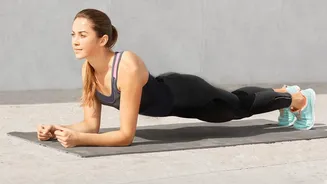
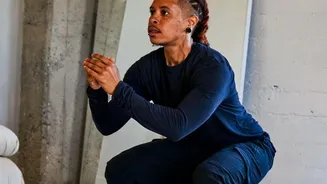
Building functional strength doesn't require heavy weights. Using your own bodyweight can be incredibly effective, especially for beginners. This routine focuses on foundational movements that build strength in your major muscle groups. Perform each exercise for about 45 seconds, with 15 seconds of rest in between. 1. Bodyweight Squats: Stand with feet shoulder-width apart. Lower your hips back and down as if sitting in a chair, keeping your chest up and back straight. Go as low as is comfortable, then press through your heels to return to standing. 2. Wall Push-ups: Stand facing a wall, about an arm's length away. Place your hands on the wall slightly wider than your shoulders. Bend your elbows to bring your chest towards the wall, then push back to the starting position. This is a great way to build up to a full push-up. 3. Glute Bridges: Lie on your back with your knees bent and feet flat on the floor, hip-width apart. Press through your heels to lift your hips off the floor until your body forms a straight line from shoulders to knees. Squeeze your glutes at the top, then lower back down. 4. Plank: Hold a plank position, either on your forearms or hands. Keep your body in a straight line from head to heels, engaging your core and without letting your hips sag.
Making the Habit Stick
The hardest part of any new routine is consistency. The beauty of a five-minute workout is that it removes the 'no time' excuse. To make it a habit, try 'habit stacking'—linking your workout to something you already do every day, like right after you brush your teeth or while you wait for your coffee to brew. Listen to your body; the goal is gentle movement, not pain. Some days you might have more energy than others, and that's perfectly fine. The simple act of showing up for five minutes is a victory in itself. As you get stronger, you can increase the duration, add a second session later in the day, or progress to more challenging variations of the exercises.