




Meet Oi Muchim
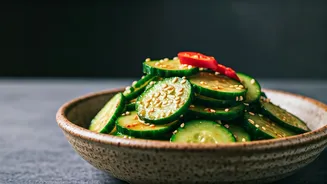
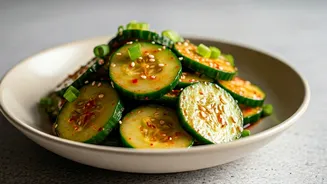
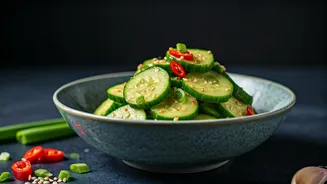
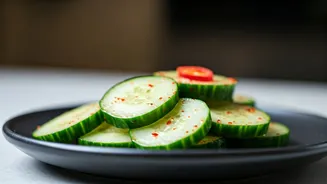
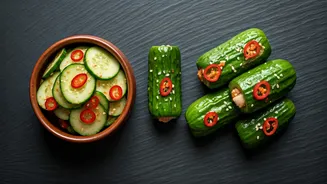
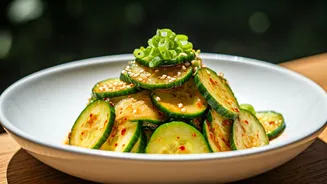
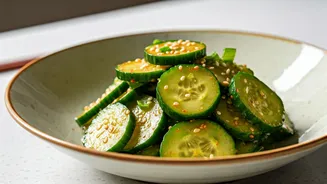
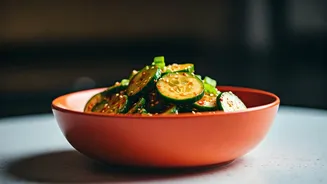
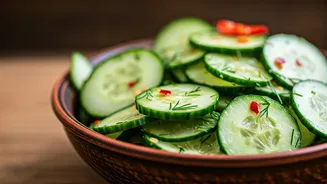
The star of this trend is Oi Muchim, a Korean spicy cucumber salad. In Korean, 'oi' means cucumber and 'muchim' translates to 'seasoned' or 'tossed with sauce'. Unlike its more famous cousin, kimchi, which is fermented, Oi Muchim is a fresh salad designed
to be eaten almost immediately. This makes it incredibly quick to prepare, often in 20 minutes or less. The dish perfectly balances spicy, savoury, tangy, and slightly sweet flavours, making for a refreshing side that can awaken the palate. Its signature feature is the incredible crunch of the cucumbers, which are typically salted to draw out excess water, making them even crispier.
A Staple of Korean Cuisine
Oi Muchim is a type of banchan, which are small side dishes that are central to any Korean meal. A typical Korean table setting includes rice, a main course like grilled meat or a stew, and an array of banchan served in the middle for everyone to share. These side dishes are not mere appetisers; they are essential for creating a balanced meal, offering a variety of flavours and textures that complement the main course. Banchan like Oi Muchim can provide a cool, crisp contrast to rich, savoury dishes like Korean BBQ, cleansing the palate and adding another layer of enjoyment to the dining experience.
Why Did It Go Viral?
The global popularity of Oi Muchim can be credited to its undeniable social media appeal. Videos showcasing the dish have gone viral for several reasons. Firstly, the visual appeal is undeniable—the bright green of the cucumber against the deep red of the gochugaru (Korean chili flakes) is striking. Secondly, the 'ASMR' quality of the crunch is incredibly satisfying to watch and hear. Finally, its simplicity makes it an accessible trend for home cooks. Recipes often involve just slicing a cucumber and mixing it with a handful of common Korean pantry staples like gochugaru, soy sauce, vinegar, and sesame oil, making it an easy gateway into Korean cooking.
More Than Just a Tasty Snack
Beyond its delicious taste, this cucumber trend packs some significant health benefits. Cucumbers themselves are incredibly hydrating, being composed of about 95% water. They are low in calories and a good source of fibre, making them great for weight management. Cucumbers also contain important nutrients like Vitamin K, which is essential for bone health, and antioxidants that help combat cellular damage. The dish is a low-glycemic food, which means it has a minimal impact on blood sugar levels, making it a suitable choice for many dietary plans. Some variations are fermented, introducing beneficial bacteria like L. plantarum, which can aid digestion and promote gut health.
Make It at Home: A Simple Recipe
Ready to try it yourself? Here’s a basic recipe. You’ll need one or two fresh cucumbers, preferably a thin-skinned variety like Persian or English cucumbers. Slice them into thin rounds. In a bowl, mix your dressing: 1 tablespoon of gochugaru, 1 tablespoon of soy sauce, 1 tablespoon of rice vinegar, 1 teaspoon of sugar, 1 teaspoon of toasted sesame oil, and a minced garlic clove. Some recipes also call for a small amount of gochujang (chili paste) for a deeper flavour. Toss the cucumbers in the dressing until evenly coated. Garnish with toasted sesame seeds and sliced spring onions. For an extra crunch, you can salt the cucumbers and let them sit for 15 minutes before rinsing and dressing them.
An Indian Kitchen Connection
The flavour profile of Oi Muchim may feel surprisingly familiar to the Indian palate. Its spicy and tangy notes are reminiscent of many Indian pickles (achaar) or the fresh, crunchy salads known as kachumber. This makes it an easy and exciting addition to an Indian meal. The popularity of Korean food in India is already on the rise, and this simple, flavourful salad is a perfect entry point for those looking to experiment. It can be served alongside dal and rice, used to top a roti wrap, or simply enjoyed as a refreshing side dish on a hot day. The balance of heat, tang, and crunch is a combination that resonates across cultures, and it finds a welcome home in Indian kitchens.