



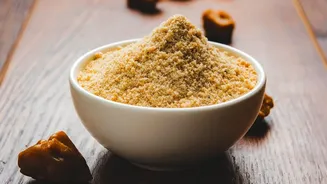
The Sweet Shift Away from Sugar
Walk into the kitchen of any passionate home baker today, and you might notice something different. The familiar canister of crystalline white sugar is increasingly sharing shelf space with, or being replaced entirely by, rustic blocks and powders of deep
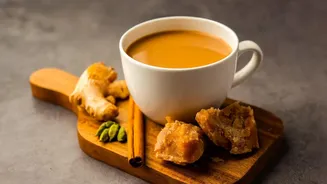
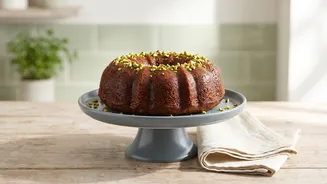
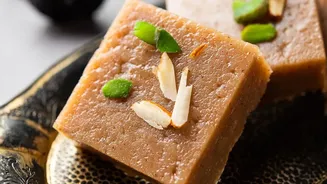
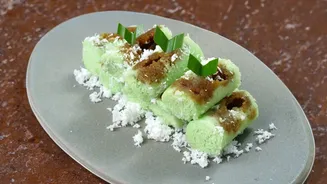
brown jaggery. This isn't just about following a fleeting trend; it's a conscious decision rooted in a growing desire for healthier, more flavourful, and traditional ingredients. For generations, jaggery, or 'gur', has been a staple in Indian households, used in everything from festive sweets to daily meals. Now, a new generation of health-conscious cooks and bakers is leading its renaissance, specifically embracing organic and palm-based varieties to create modern desserts with a traditional soul. They're making everything from fudgy jaggery brownies and moist banana bread to creamy kheer, proving that this humble ingredient is as versatile as it is virtuous.
More Than Just Sweet: The Health Halo
The primary driver behind this shift is health. Unlike refined white sugar, which is often described as providing 'empty calories', jaggery is an unrefined sweetener that retains many of the nutrients present in its source. Because it is not heavily processed, it contains molasses, which is a source of essential minerals like iron, potassium, and magnesium. Iron is crucial for preventing anaemia, while potassium helps in regulating blood pressure. Palm jaggery also has a lower glycemic index (GI) compared to white sugar, which means it releases energy more slowly and may prevent the sharp spikes and crashes in blood sugar levels. This slow energy release makes it a preferred choice for those managing their energy throughout the day. Furthermore, jaggery is known in Ayurveda and traditional home remedies to aid digestion and act as a natural body cleanser.
Getting to Know Your Gur
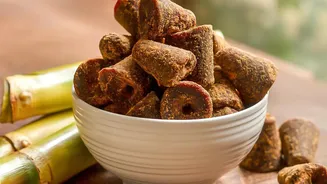
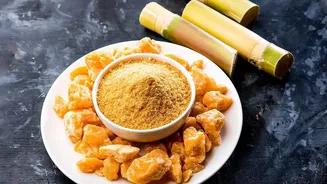
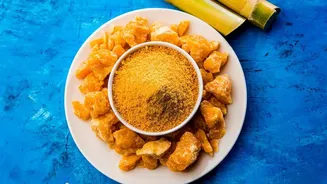
Not all jaggery is created equal. While most people are familiar with sugarcane jaggery, the current trend shines a spotlight on palm jaggery. There are several types, each with a unique flavour profile. Date Palm Jaggery, famous in West Bengal as 'Nolen Gur', has a rich, smoky, and almost chocolatey flavour, making it a seasonal delicacy. Palmyra Jaggery, known as 'Karupatti' in Tamil Nadu, is intensely dark and has a complex, bittersweet taste. Coconut Jaggery, found in coastal regions, is milder and carries subtle caramel notes. The term 'organic' adds another layer of appeal, signifying that the jaggery is produced without the use of chemical clarifiers or pesticides, ensuring a purer final product.
The Baker's Guide to Using Jaggery
Swapping sugar for jaggery isn't always a simple one-to-one substitution. Jaggery contains more moisture and has a distinct flavour that can alter the final product. Experienced bakers suggest a few key tips. First, start by using a bit more jaggery than sugar—a common ratio is 1.25 cups of jaggery for every cup of sugar to match the sweetness level. Using powdered jaggery is often easier for baking as it dissolves more evenly. For cakes and muffins, the high moisture content in jaggery can result in a wonderfully moist and dense crumb. However, for recipes like cookies, this can affect how much they spread. Its natural acidity also reacts well with baking soda, helping to leaven whole wheat cakes. The flavour is another consideration; the deep, molasses-like notes of jaggery pair beautifully with spices like cinnamon and cardamom, as well as ingredients like banana, whole wheat flour, and nuts.