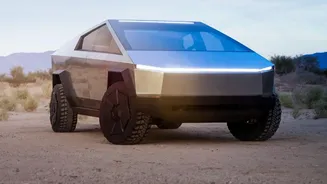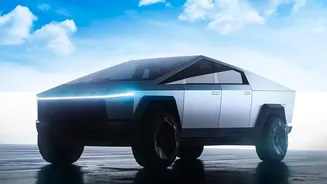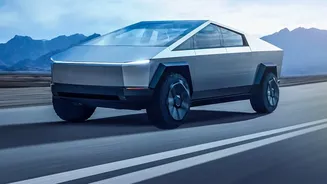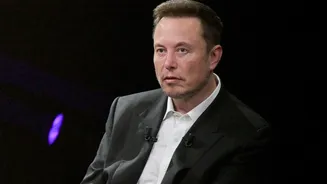

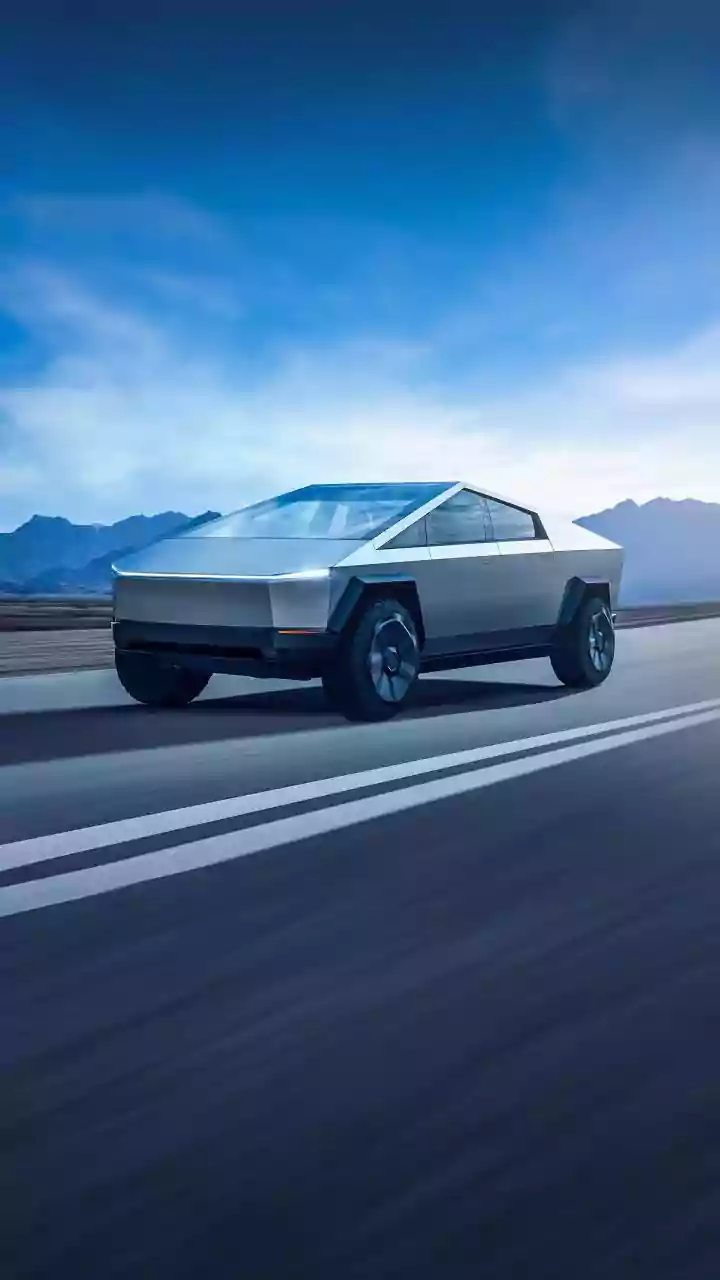




Just when reservation holders thought the wait couldn't get any longer, Tesla CEO Elon Musk announced a new timeline for the Cybertruck, with production now scheduled to run through the end of summer 2027. This extends the controversial pickup's manufacturing
run by a few months. The decision comes amid a flurry of announcements about the vehicle's future, leaving many to wonder what this means for the thousands still in the queue. The core of the issue is a simple but challenging conflict: a massive order backlog is colliding with a complex production reality and a strategic pivot towards another vehicle entirely.
A Timeline in Flux
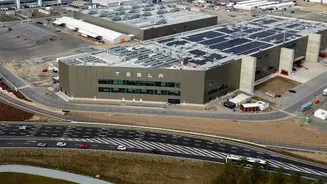
The future of the Cybertruck has been a moving target. In early November 2026, Musk first stated that Tesla would begin 'winding down' Cybertruck production at its Texas Gigafactory around the middle of 2027. The reason given was not poor performance, but the need to reallocate factory space and resources to ramp up production of the 'Cybercab', Tesla's planned two-seater autonomous robotaxi. Just days later, Musk updated the timeline again, confirming that the production run would be extended through the end of summer 2027. This extension of roughly two to three months is a direct response to the immense order backlog. Musk acknowledged that even with an extra production shift, Tesla would not be able to fulfill every order and would have to return deposits to many people.
Demand, Scarcity, and Strategy
The Cybertruck has been a lightning rod for attention since its 2019 unveiling, where its 'unbreakable' windows famously shattered during a live demo. Despite a rocky start, production delays, and 11 recalls since its late 2023 launch, the vehicle has amassed a significant number of reservations. Musk stated that the 'order rate far exceeds our production rate'. However, reports also indicate that actual sales have been well below initial targets of 250,000 units per year. Sales in 2025 were estimated to be around 20,000 units. The announcement of the production wind-down itself appears to have created a new surge in demand, as potential buyers rush to secure what is now perceived as a future collector's item. Musk framed the extension as a decision based on sentimentality rather than pure profit, suggesting the financial opportunity cost is high compared to focusing on the Cybercab.
The Production Puzzle
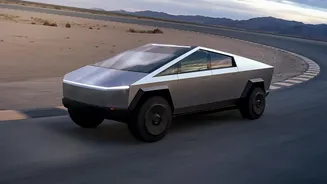
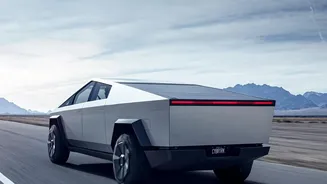
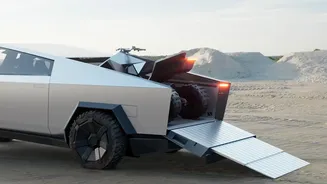
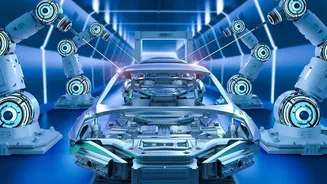
From the beginning, the Cybertruck's journey has been defined by manufacturing hurdles. Its radical stainless-steel exoskeleton and unique design required entirely new production processes, which proved more challenging than anticipated. These difficulties led to significant delays, with the first customer deliveries beginning in late 2023, years after the initial 2021 target. The final product also arrived with a higher price tag and altered specifications compared to what was first announced, with the starting price rising from around $40,000 to over $60,000. While Tesla has a stated production capacity of over 125,000 Cybertrucks annually, the actual output has been a fraction of that, with some analysts estimating a run rate of only about 30,000 per year before the end-of-production announcement. These production realities are at the heart of why so many reservation holders face a long wait or the possibility of a refunded deposit.
What It Means for Buyers and Tesla
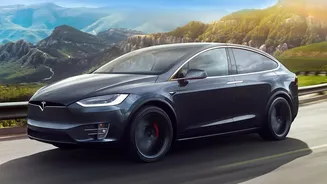
For those with a Cybertruck on order, the extension is mixed news. It provides a slightly larger window for their vehicle to be built, but offers no guarantee. Musk has been clear that not all orders will be fulfilled. For Tesla, the strategy appears to be a calculated pivot. The company is shifting its focus away from a complex enough low volume vehicle to the Cybercab which is central to its long term vision for an autonomous ride hailing network. This move mirrors the company's decision to discontinue the Model S and Model X to focus on other priorities. By extending the Cybertruck run Tesla attempts to satisfy more of its passionate customer base while still moving decisively toward its future in AI and robotics a future where the unconventional pickup truck may not have a long term place.