







What is the FAO Anyway?
The Food and Agriculture Organization (FAO) is a specialized agency of the United Nations, established in 1945 with a mission to defeat hunger and improve nutrition worldwide. Headquartered in Rome, it operates in over 130 countries, including India,
where it has been a partner since 1948. Think of it as the world's leading authority on food and farming. The FAO helps countries develop policies for agriculture, forestry, and fisheries. It conducts research, provides technical assistance, and, crucially, collects and publishes a vast amount of data on agricultural production, trade, and development. This information is designed to help governments and experts make informed decisions to ensure everyone has access to safe and nutritious food.
Decoding the 'Signals'
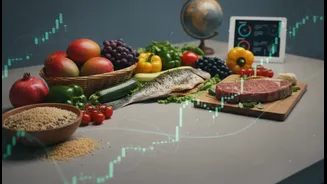
When we talk about "FAO signals," we're mainly referring to its regular data releases and flagship reports. The most famous of these is the FAO Food Price Index (FFPI), published every month. The FFPI works like a stock market index but for food, tracking the monthly change in international prices for a basket of basic commodities: cereals, vegetable oils, dairy, meat, and sugar. A rising index suggests global food prices are increasing. Beyond the FFPI, the FAO also publishes critical reports like the annual 'State of Food Security and Nutrition in the World' (SOFI), which estimates how many people are going hungry globally, and other updates on specific markets like cereals and rice. These signals act as an early warning system for potential food crises and market volatility.
From Rome to Your Local Mandi
But how does a report from Rome affect the price of goods in India? The connection is direct. Global price trends influence domestic markets, especially for commodities India imports, like edible oils. When the FAO's Vegetable Oil Price Index goes up due to supply issues in another part of the world, Indian importers have to pay more, and that cost is eventually passed on to the consumer. Conversely, global prices also affect the prices Indian farmers get for their exports, like rice. The Indian government, traders, and large agricultural businesses closely monitor these FAO signals. They use the data to make crucial decisions about whether to increase imports, restrict exports to protect domestic supply, or adjust buffer stocks—actions that directly impact food availability and prices across the country.
More Than Just Prices
While price indices get the most attention, the FAO's work goes much deeper. The organization plays a vital role in food security beyond economics. It issues warnings and helps coordinate responses to threats like transboundary pests and diseases, such as the locust outbreaks that have previously threatened parts of India. The FAO's broader reports on food security and nutrition highlight long-term challenges, from the impact of climate change on agriculture to the prevalence of malnutrition. For example, the annual SOFI report provides the headline numbers on global hunger that drive international policy and humanitarian aid efforts. These signals help focus global and national attention on the fundamental goal of ensuring everyone has enough to eat.
Why This Matters for India
As a founding member of the FAO and a global agricultural powerhouse, India has a deep and collaborative relationship with the organization. FAO has played a key role in providing technical inputs that supported India's journey to self-sufficiency in food grains. Today, as India navigates complex challenges like climate change, soil health, and water scarcity, the FAO's global expertise remains a valuable resource. Its data helps policymakers understand where India stands in the global context and plan for the future. For the average citizen, understanding these signals offers a clearer picture of the interconnected forces shaping our food system. It explains why a drought in Brazil can affect coffee prices in Bengaluru or why a policy change on rice exports matters to millions.