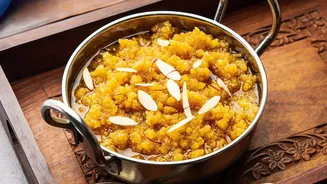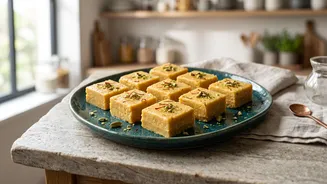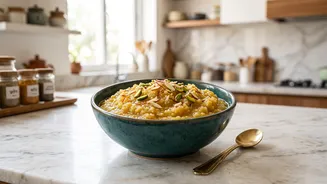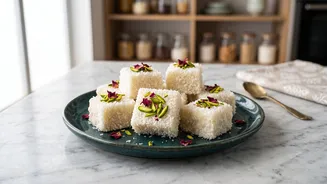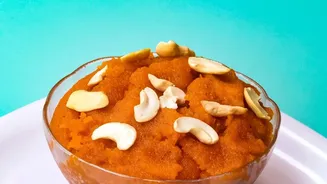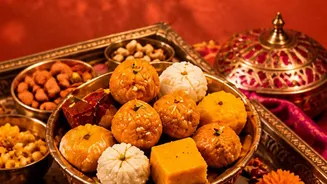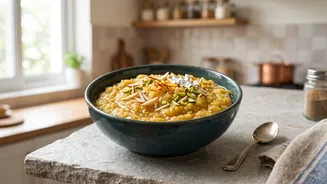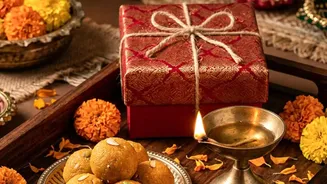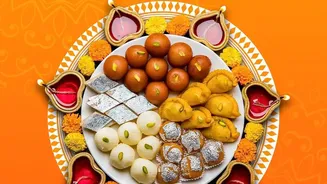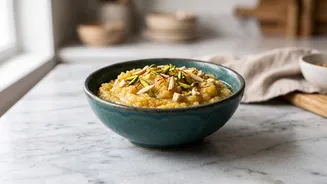




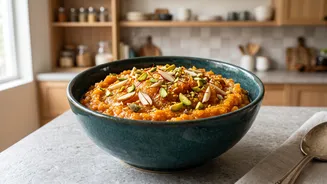
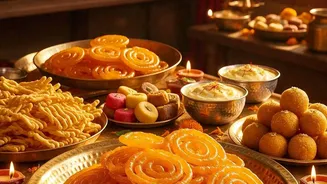

Rich, aromatic, and steeped in tradition, Moong Dal Halwa is a centrepiece of festive indulgence. Its melt-in-the-mouth texture makes it a favourite for celebrations like Bhai Dooj, but many shy away, fearing its lengthy process.
The Golden Ingredients
The magic of this halwa
lies in its simplicity, using just a handful of core ingredients: yellow moong dal (split and skinned yellow lentils), pure ghee, sugar, and either milk or water. The quality of these components, especially the ghee, is paramount. A good quality ghee not only imparts a rich, nutty aroma but is also crucial for roasting the dal properly. While some recipes call for full-fat milk for a creamier finish, others use a mix of milk and water, or just water, which also yields a delicious result. A pinch of saffron and some cardamom powder are the quintessential flavourings, giving the halwa its signature festive fragrance.
Preparation: The Crucial First Steps
Your journey begins with preparing the dal. First, wash the yellow moong dal thoroughly and soak it for at least three to four hours. This step is vital for softening the lentils, which makes them easier to grind. After soaking, drain the water completely. The next make-or-break step is grinding. The goal is a coarse, grainy paste, often described as having the texture of wet rava or semolina. Grinding the dal too smoothly is a common mistake that leads to a pasty, dense halwa instead of the desired granular consistency. Use minimal water during grinding—just enough to get the blender moving.
The Art of Roasting: Patience is Key
This is where the 'labour of love' truly comes in. Roasting the dal paste is the most critical and time-consuming part of the process, but it's what develops the halwa's deep, nutty flavour. Heat a generous amount of ghee in a heavy-bottomed or nonstick pan over low to medium heat. Add the dal paste and begin stirring. Continuous stirring is nonnegotiable to prevent burning and ensure even cooking. At first, the paste will be sticky, but as you continue to roast, the moisture will evaporate, and the mixture will become crumbly and grainy. You'll know it's ready when the raw smell of the dal disappears, the colour deepens to a beautiful golden brown, and the mixture starts to release a fragrant aroma. This can take anywhere from 20 to 60 minutes, so be patient.
Bringing It All Together
Once the dal is perfectly roasted, it's time to add the liquid. Whether you are using a sugar syrup (sugar dissolved in hot water) or a mixture of warm milk and sugar, add it gradually while stirring constantly to avoid lumps. The mixture will sizzle and absorb the liquid. Continue to cook, stirring until the halwa thickens and begins to pull away from the sides of the pan, forming a single mass. This is also the stage where you add flavourings like cardamom powder and saffroninfused milk. A final dollop of ghee can be added towards the end for extra gloss and richness.
Common Mistakes to Avoid
To ensure success, steer clear of these common pitfalls. First, do not skimp on ghee; it's essential for both flavour and proper roasting. Second, always roast on a low to medium flame, as high heat will cook the dal unevenly and risk burning it. Third, avoid adding sugar too early. Sugar releases moisture and can make the dal sticky, preventing it from roasting correctly. Finally, as mentioned, the grind is crucial—a smooth paste will not yield a grainy halwa. Some recipes even suggest adding a spoonful of semolina (suji) or gram flour (besan) with the ghee before adding the dal paste to help prevent sticking and improve texture.
Serving Your Festive Creation
Moong Dal Halwa is best served warm, garnished generously with chopped nuts like almonds, cashews, and pistachios. For Bhai Dooj, preparing and sharing sweets is a gesture of love and a prayer for prosperity. The act of offering a homemade delicacy like this reinforces the sweet bond between siblings, making the celebration truly special. While the process requires effort, the divine taste and the joy it brings are well worth any dedication.