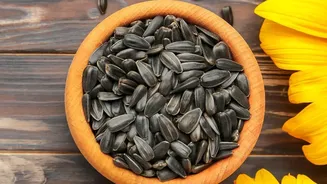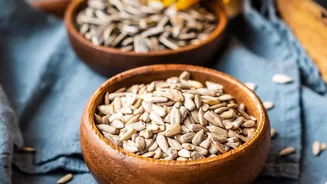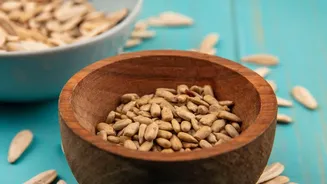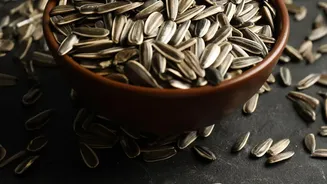






In the quest for a healthier start to the day, tiny seeds are having a big moment. Among them, the humble sunflower seed often gets overlooked. But these small kernels are a nutritional powerhouse, perfect for elevating your breakfast.
A Tiny Seed with Major Nutrients
Don't let their
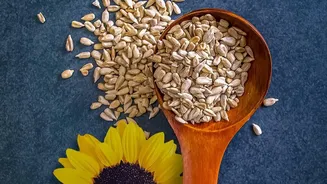
small size fool you; sunflower seeds are packed with an impressive array of essential nutrients. They are an exceptional source of vitamin E, a powerful antioxidant that protects your body's cells from damage. Just one ounce (about a quarter cup of shelled kernels) provides a significant portion of your daily vitamin E needs. They are also rich in healthy fats, particularly monounsaturated and polyunsaturated fats, which are beneficial for heart health. Furthermore, these seeds deliver a good amount of plant-based protein, fibre, and essential minerals like selenium, magnesium, copper, and zinc.
Health Benefits Worth Waking Up For
Incorporating sunflower seeds into your morning meal can contribute to several positive health outcomes. The combination of healthy fats, magnesium, and other plant compounds may help lower blood pressure and reduce cholesterol levels, supporting overall cardiovascular health. The high concentration of antioxidants like vitamin E and selenium helps combat chronic inflammation, a risk factor for many diseases. Selenium is also crucial for thyroid function and a robust immune system. With nearly six grams of protein and over three grams of fibre per ounce, they also help you feel full and satisfied, which can aid in weight management.
The Golden Rule: Portion Control
While incredibly nutritious, sunflower seeds are calorie-dense. A standard serving is about one ounce, or roughly a quarter cup of shelled seeds, which contains around 165 calories. Enjoying them in moderation is key to reaping their benefits without leading to unwanted weight gain. It is also wise to choose raw or dry-roasted, unsalted varieties. Many packaged sunflower seeds are heavily salted, and excessive sodium intake can contribute to high blood pressure and other health issues. Reading the label to ensure there are no added oils or excessive salt is a smart move.
A Note on Cadmium
It's worth noting that sunflower plants can absorb cadmium, a heavy metal, from the soil. As a result, sunflower seeds can contain higher levels of cadmium than many other foods. While studies suggest that the cadmium from occasionally eating normal serving sizes is not likely to be a health risk for most people, it reinforces the importance of moderation. To get a wide range of nutrients and minimise potential risks from any single food source, it is always best to eat a varied diet rather than consuming large amounts of one particular item.
Easy Ways to Brighten Your Breakfast
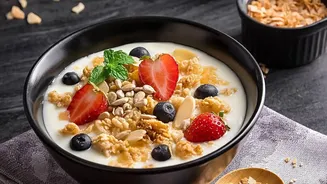
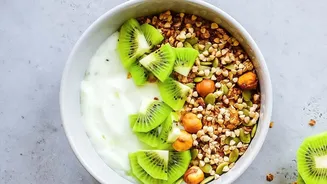
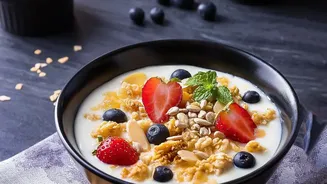
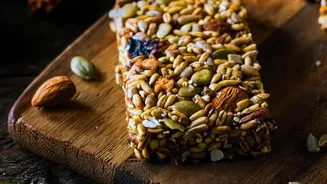
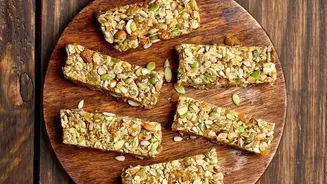
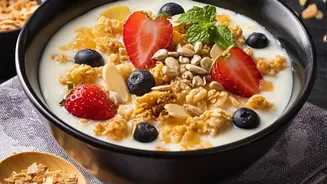
Adding sunflower seeds to your breakfast is simple and versatile. Their mild, nutty flavour complements a wide variety of dishes. Sprinkle a tablespoon over your morning oatmeal, yogurt, or cottage cheese for a satisfying crunch. Blend them into your favourite smoothie to add healthy fats and protein. For a savoury option, try them in scrambled eggs or sprinkled on top of avocado toast. You can also incorporate them into homemade granola or breakfast muffins for a nutrient boost. Lightly toasting them in a dry pan for a few minutes can enhance their flavour even more.