



Verify Road Status and Accessibility
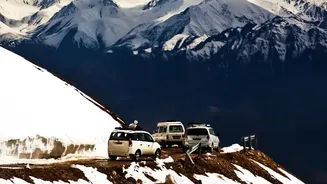
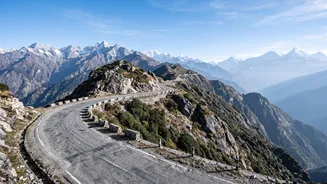
The allure of a remote, snow-covered cottage is strong, but accessibility is paramount in winter. Heavy snowfall, especially from late December through January, can lead to temporary road closures. Key routes to high-altitude destinations like Auli, Chopta,
and Munsyari are particularly susceptible. Before finalising your booking, ask your hotel or homestay specific questions: Is the road from the nearest major town currently open to all vehicles? Are there any police barriers or '4x4 only' restrictions in place? A simple 'yes, the road is fine' is not enough. Inquire about the risk of black ice on shaded curves, a common hazard at higher elevations. Having buffer days in your itinerary is a wise precaution against unexpected delays.
Confirm Heating and Power Backup
The charm of a winter landscape fades quickly if you’re shivering indoors. Temperatures in many parts of Uttarakhand can plummet, making reliable heating essential. When browsing hotels, look for explicit mentions of room heaters or climate control. Many mid-range and premium hotels provide this, but some budget options may not, or might charge extra. It's crucial to confirm this before booking. Equally important is the power situation. Power cuts can be more frequent in remote areas during winter. Ask if the property has a generator or inverter and what it covers—just lights, or also heating and geysers. Government bodies like the Uttarakhand Power Corporation Limited (UPCL) make efforts to ensure supply, but local disruptions can still occur, especially in extreme weather.
Check Hot Water Availability
A hot shower is non-negotiable after a day out in the cold. While most hotels offer hot water, its availability can vary. Some properties provide it 24/7, while others have it for fixed timings, especially in more remote or eco-conscious establishments. This is a detail you must clarify before you pay. A hotel that seems like a bargain might be less appealing if you discover hot water is only available for two hours in the morning. Don't assume; always ask about the specifics of the hot water supply to ensure your comfort.
Understand the Location's Reality
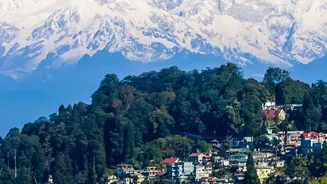
A hotel with a 'Himalayan view' sounds idyllic, but what does it really entail? A property on the outskirts of town offers peace and stunning vistas but may require a vehicle for every trip to a market or restaurant. If you're on a short trip, staying closer to the town centre can be more convenient. For stays at higher altitudes, remember that accessibility for senior citizens or those with mobility issues can be challenging due to steep slopes and numerous stairs. Also, ask for recent photos of the view from your specific room category. A 'mountain view' from a common terrace is very different from waking up to a panoramic vista from your window.
Prioritise Health and Acclimatisation
If your itinerary includes high-altitude areas above 3,000 metres (around 9,840 feet), you need to factor in acclimatisation. Altitude sickness can affect anyone, regardless of fitness level, and its symptoms often include headaches, nausea, and fatigue. The best prevention is to ascend gradually and give your body time to adjust to the lower oxygen levels. Drink plenty of water and avoid rushing your itinerary. For destinations like Auli or the areas around Kedarnath, plan to spend a night at a lower altitude before ascending. Pack a basic medical kit with remedies for headaches and other common ailments.
Pack for Extreme Cold
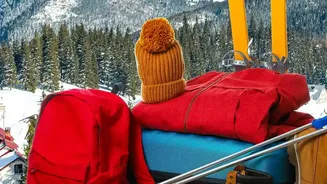
Effective layering is the key to staying warm and comfortable. Your packing list should include a moisture-wicking base layer (thermals), a warm insulating layer (fleece or a down jacket), and a waterproof and windproof outer shell. Avoid cotton as a base layer, as it retains moisture and will make you feel colder if you sweat. Sturdy, waterproof boots with good grip are essential, especially if you plan to walk in snow. Also, pack essentials like woollen socks, gloves, a warm hat, sunscreen, and lip balm, as the winter air is cold and dry.