


The Art of Cooking with Curd
Before diving into recipes, it's crucial to understand a key principle of cooking with dahi: temperature matters. Adding cold curd directly to a hot pan can cause it to split or curdle, resulting in a grainy texture. To avoid this, always bring your curd to room
temperature before use. Whisking it until smooth is also essential. For hot gravies, you can temper the curd by mixing a small amount of the hot liquid into the dahi first, before slowly incorporating the mixture back into the pan over low heat. Many recipes also call for adding a stabiliser like gram flour (besan) to the curd, which helps prevent it from splitting when heated.
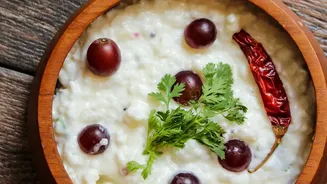
The Comforting Classic: Curd Rice
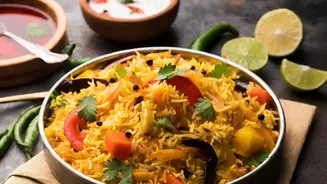
Known as Thayir Sadam in South India, curd rice is the ultimate comfort food. It's simple, cooling, and incredibly satisfying. The basic recipe involves mixing soft-cooked, mashed rice with whisked curd and salt. The rice should be cooled to room temperature before the curd is added to preserve the dahi's probiotic qualities. The magic, however, lies in the 'tadka' or tempering. Heat a little oil or ghee, and splutter mustard seeds, cumin seeds, urad dal, and curry leaves. Finely chopped ginger and green chillies can be added for a gentle heat. Pour this aromatic tempering over the curd rice and mix well. For extra texture and flavour, you can add grated carrots, cucumber, or pomegranate seeds.
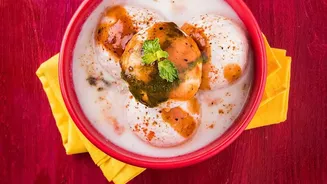
The Tangy Gravy: Dahi Ki Kadhi
Kadhi is a beloved dish across India, with many regional variations. At its heart, it's a yogurt-based gravy, thickened with gram flour (besan). For a classic Punjabi or Rajasthani kadhi, you start by making a smooth slurry of sour curd, besan, turmeric, and water. In a separate pan, a tempering of cumin seeds, asafoetida (hing), and other whole spices is prepared. The curd mixture is then slowly poured into the pan while stirring continuously on a low flame to prevent curdling. The kadhi is simmered gently until it thickens and the raw taste of the besan disappears. It's often served with rice and sometimes features fried vegetable fritters called pakoras.
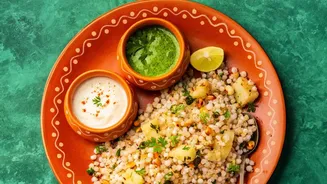
The Simple Curry: Dahi Wale Aloo
A humble yet delicious curry, Dahi Wale Aloo (potatoes in yogurt gravy) is a perfect weeknight meal. This dish brings together boiled and crumbled potatoes with a spicy, tangy yogurt sauce. The process often starts with sautéing onions, ginger, and garlic, followed by powdered spices like turmeric and red chilli powder. The whisked curd is then added carefully, often with the heat turned low, and stirred constantly until it combines with the spices to form a cohesive gravy. The boiled potatoes are then added and simmered in the gravy, allowing them to soak up the flavours. The result is a creamy, flavourful curry that pairs beautifully with hot rotis or parathas.
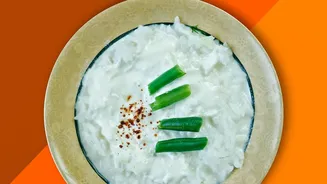
The Versatile Sidekick: Raita
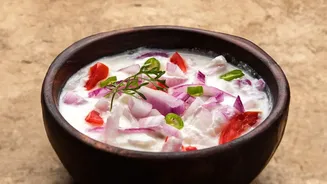
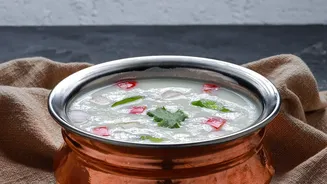
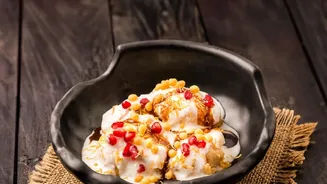
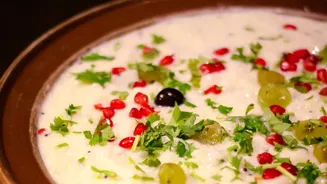
No Indian meal is truly complete without a side of raita. This cooling curd-based dish balances the heat of spicy curries and adds a refreshing element to the plate. The simplest raita involves whisking dahi until smooth and adding salt and roasted cumin powder. From there, the possibilities are endless. You can add finely chopped cucumber, onion, and tomato for a classic mixed vegetable raita. Boiled and cubed potatoes, or even sweet fruits like pineapple and pomegranate, also make for delicious variations. Another popular version is boondi raita, where tiny, fried gram flour balls are soaked and added to the spiced curd.