






A National Spectacle
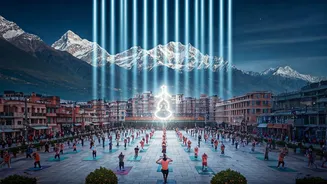
June 21st has transformed from a simple date on the calendar into a nationwide festival of wellness and unity. This isn't a casual, grassroots movement; it's a spectacle of impressive scale. The focal point this year is Srinagar, where Prime Minister
Narendra Modi is leading a mass yoga session on the banks of Dal Lake, a symbolically significant choice. But the main event is just the tip of the iceberg. Across every state, from the southernmost tip of Kanyakumari to the northernmost posts in Siachen, Indians are participating in organised events. It's a day when the entire machinery of the state, from ministries to local municipalities, pivots to promote this ancient practice. This massive, top-down push makes Yoga Day a unique fixture in India's cultural calendar, blending personal wellness with public demonstration.
From UN Resolution to Global Movement
How did we get here? The journey of International Day of Yoga began at the United Nations. In 2014, Prime Minister Modi, in his address to the UN General Assembly, proposed the idea of a day dedicated to yoga, a practice he described as "an invaluable gift of India's ancient tradition." The resolution was co-sponsored by a record 177 member states and passed without a vote, designating June 21st—the summer solstice in the Northern Hemisphere—as the official day. In less than a decade, this diplomatic success has translated into a global phenomenon. While celebrated worldwide, its heart and soul remain in India, where it is observed with an unmatched fervour and scale, reinforcing the practice's origins.
The Theme: Self and Society
Every year, Yoga Day is guided by a theme, and this year's is "Yoga for Self and Society." The message is simple yet profound: the benefits of yoga extend beyond individual health. The theme suggests that a person who is calm, balanced, and healthy is better equipped to contribute positively to their family, community, and the nation at large. It's a clever framing that elevates yoga from a mere physical exercise to a tool for social harmony and national progress. Government communications and event organisers are amplifying this message, encouraging participants to see their practice not just as a personal journey but as a contribution to the collective good. This links the inner peace sought through yoga to the outer world of societal well-being.
A Nation in Asana
The most compelling aspect of Yoga Day is the sheer diversity of its participants. The visuals that flood social media and news channels tell the story. You see Army jawans performing asanas in the snow-clad Himalayas, demonstrating incredible resilience. You see Navy personnel practising on the decks of aircraft carriers, a picture of discipline and balance. In cities, corporate offices hold special sessions for their employees. In villages, communities gather in open fields. Students, politicians, celebrities, and ordinary citizens—everyone seems to be part of the movement. These images do more than just showcase flexibility; they project an image of a unified, disciplined, and healthy nation, stretching in unison.
Yoga as Soft Power
Beyond the domestic celebrations, Yoga Day is a cornerstone of India's soft power strategy. It is arguably the country's most successful cultural export. By championing the day globally, India positions itself as a custodian of an ancient heritage that offers solutions to modern problems like stress and lifestyle diseases. Indian embassies around the world become hubs for Yoga Day events, hosting sessions in iconic locations like the Eiffel Tower lawns or Times Square. It's a powerful and peaceful way for India to assert its cultural significance on the world stage, building goodwill and fostering a positive brand identity that transcends politics and economics.