





Understanding the 'Four-Part Test'
First, it's important to know this isn't a strict test with a pass or fail grade. Rather, the World Health Organization (WHO) has outlined a set of guiding principles to help people make healthier choices consistently. Instead of getting lost in complex
diet rules, you can use these four pillars to assess and improve your meals. The core idea is to focus on what you add to your plate as much as what you limit. The framework revolves around four key areas: including a wide variety of healthy foods, and limiting your intake of sugars, unhealthy fats, and excess salt. Adopting these principles can help protect against noncommunicable diseases like heart disease, diabetes, and cancer.
Part 1: Build Your Plate with Variety
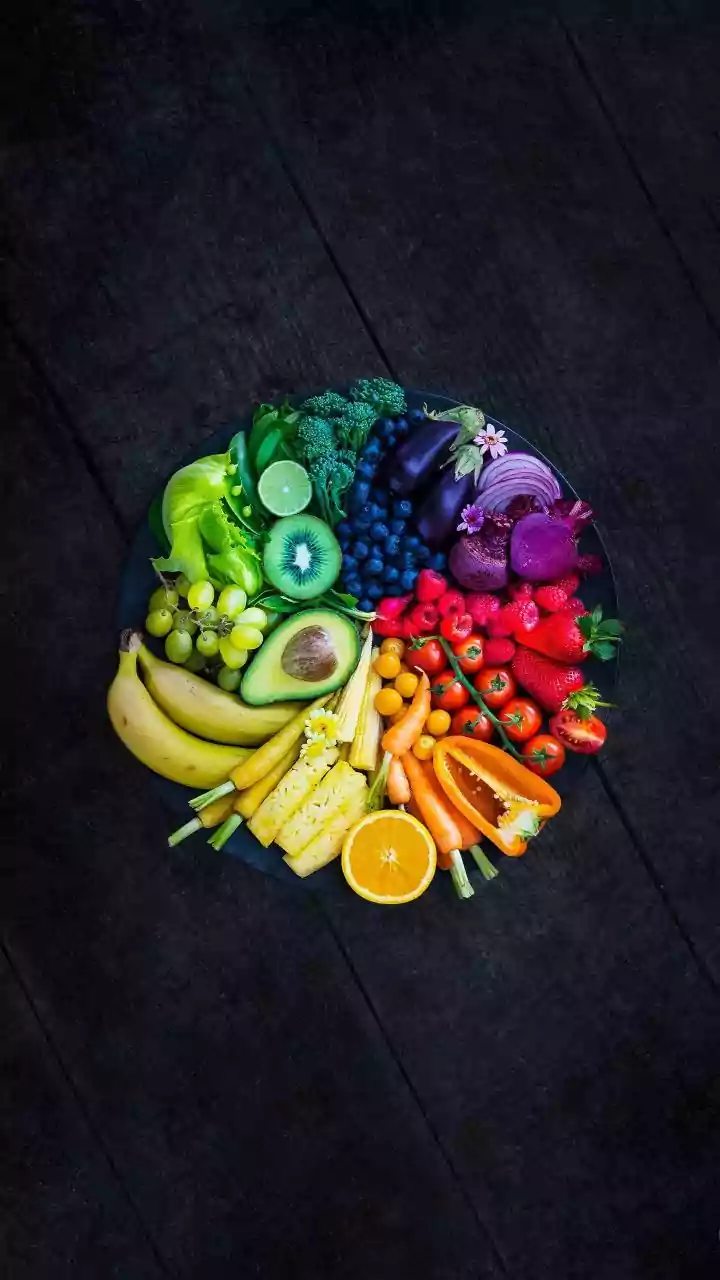
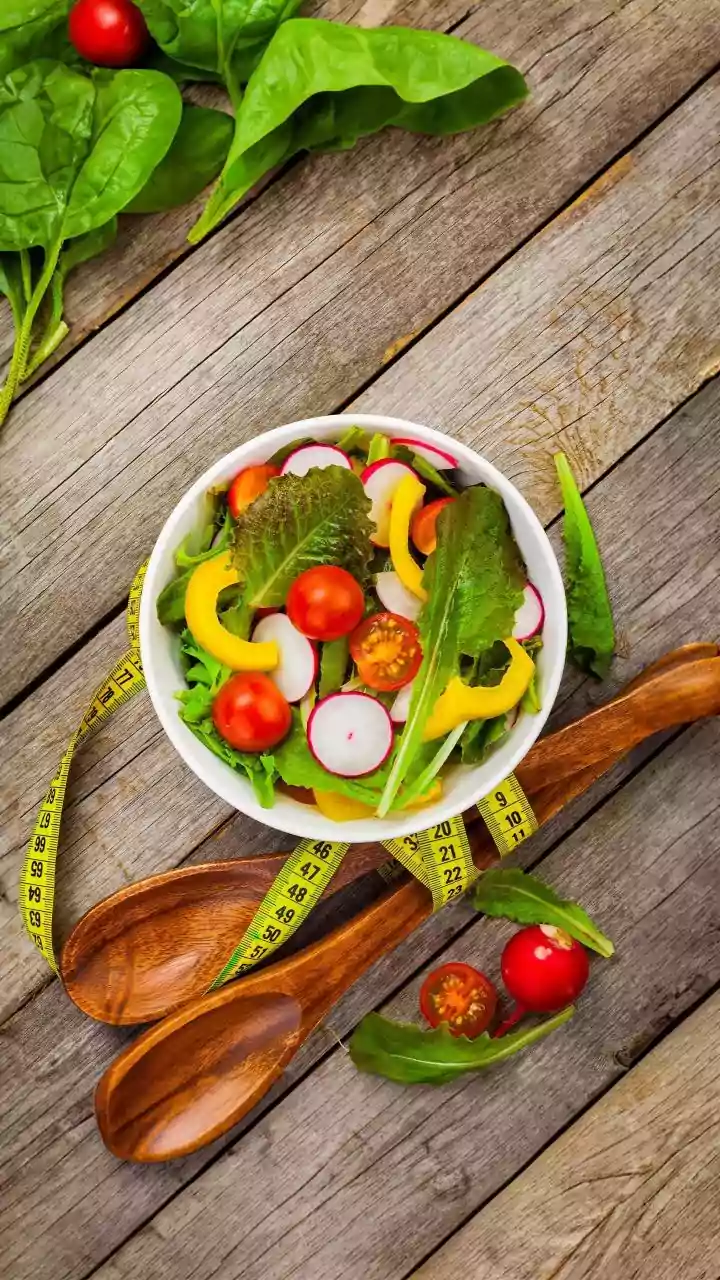
The foundation of a healthy diet is variety. The WHO recommends filling your plate with a diverse mix of foods, with a strong emphasis on plants. This means aiming for plenty of fruits, vegetables, legumes (like dal and chana), nuts, and whole grains. For an Indian diet, this is great news. Think about including different seasonal vegetables in your sabzi, opting for whole wheat atta for your rotis, and incorporating various dals throughout the week. The goal is to get a wide range of vitamins, minerals, and fibre. WHO recommends adults eat at least 400 grams—or five portions—of fruits and vegetables daily. This could be a banana with breakfast, a side of salad at lunch, and a generous portion of vegetable curry with dinner.
Part 2: Limit Free and Hidden Sugars
The second principle is to reduce your intake of "free sugars." This includes sugar added to foods and drinks by the cook or manufacturer, as well as sugars naturally present in honey, syrups, and fruit juices. The WHO recommends that free sugars make up less than 10% of your total daily energy intake, with benefits from reducing it to less than 5%—that’s about 6 teaspoons a day for an adult. In India, this can be tricky. Sugar hides in many places: your morning chai, sweetened lassi, packaged biscuits, sauces, and of course, traditional mithai. The key is awareness. Try reducing the sugar in your tea, swapping sugary drinks for water or nimbu pani (without sugar), and treating sweets as an occasional indulgence rather than a daily habit. Choosing fresh fruit over fruit juice is another simple, effective swap.
Part 3: Choose Healthier Fats
Fat is an essential part of our diet, but the type of fat matters most. The WHO advises limiting total fat intake to less than 30% of your daily energy. More importantly, it stresses shifting away from saturated and trans fats towards healthier unsaturated fats. Saturated fats are found in ghee, butter, palm oil, and fatty meats. Trans fats are often in processed snacks, fried street food, and vanaspati. Instead, favour unsaturated fats found in sources like avocado, nuts, and vegetable oils like sunflower, soy, or olive oil. This doesn't mean you must eliminate ghee completely, but using it in moderation is key. Simple changes like pan-frying or baking instead of deep-frying your samosas or pakoras can make a significant difference.
Part 4: Reduce Salt Intake
The final part of the test is to limit your sodium intake. Most of our sodium comes from salt. The WHO recommends that adults consume less than 5 grams of salt per day. Most people consume far more, often without realizing it. In the Indian diet, salt is not just added during cooking but is also high in many processed foods, pickles (achar), papads, and chutneys. To cut back, try to use less salt when cooking and experiment with other spices and herbs to flavour your food. Pay attention to the labels on packaged foods and sauces, and consume high-salt items like pickles in smaller quantities. Using iodized salt is also recommended to prevent iodine deficiency.