





The Problem with Puddles
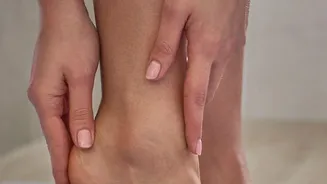
Walking through rainwater isn't just about getting your feet wet; it's about what’s in the water. Puddles on streets are often a mix of mud, sewage, chemicals, and grime. When your feet are exposed to this for prolonged periods, the skin becomes soft
and waterlogged in a process called maceration. This weakens the skin's natural protective barrier, creating tiny cracks that allow bacteria and fungi to enter, leading to common monsoon foot problems like Athlete's Foot, fungal nail infections, and painful blisters. The high humidity of the season makes it worse, preventing feet from drying out quickly and trapping moisture, especially between the toes.
Your First Line of Defence: Wash and Dry
The single most effective way to prevent foot problems is to keep your feet clean and dry. As soon as you get home after being in the rain, make it a priority to wash your feet with mild soap and warm water. Pay special attention to the spaces between your toes, as this is where moisture loves to hide. Afterwards, dry your feet thoroughly with a clean towel. Don't rush this step; gentle patting is better than harsh rubbing. If you're prone to sweaty feet, consider using an antifungal dusting powder daily to absorb excess moisture and provide an extra layer of protection.
Choose Your Footwear Wisely
Your choice of shoes can make or break your foot health during the monsoon. It's best to avoid closed shoes made of leather or canvas, as they absorb water and take a long time to dry, creating a damp environment perfect for fungal growth. Instead, opt for open-toed footwear like waterproof sandals, flip-flops, or floaters made from rubber or PVC. These materials don't absorb water and allow for better air circulation, helping your feet to dry faster. Look for footwear with good grip and non-slip soles to navigate wet, slippery surfaces safely. It's also a good practice to alternate between pairs of shoes, giving each pair ample time to dry out completely before you wear them again.
A Daily Care Routine
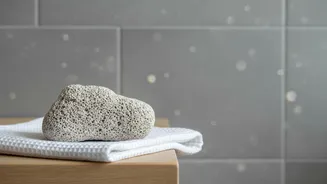
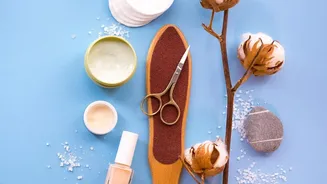
A little daily maintenance goes a long way. Keep your toenails trimmed straight across to prevent dirt and grime from accumulating underneath. When you cut them, file any sharp corners to avoid accidental cuts. While it's important to keep your feet moisturised to prevent cracked heels, avoid applying lotion or cream between your toes. The extra moisture in these web spaces can encourage fungal growth. For general moisturising, focus on the heels and soles. Once a week, you can treat your feet to a gentle scrub with a pumice stone to remove dead skin cells, but avoid scrubbing too hard as this can damage the skin.
Simple Remedies and Red Flags
For minor issues, some home remedies can be helpful. A foot soak in a mixture of vinegar and water can create an acidic environment that inhibits fungal growth. Applying diluted tea tree oil, known for its antifungal properties, may also help. However, it's crucial to know when to seek professional help. If you notice persistent itching, redness, peeling skin, blisters that won't heal, or a persistent foul odour, it's time to consult a doctor or dermatologist. These could be signs of a more serious infection that requires medical treatment. People with diabetes should be especially cautious, as even minor foot injuries can take longer to heal and lead to complications.