

What is a Shell Pot, Anyway?
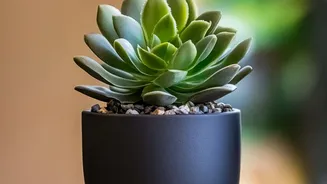
Before diving into the details, it's important to clarify what a 'shell pot' is. The term often refers to a decorative outer pot, also known as a cachepot, which literally means "to hide a pot" in French. This ornamental container is designed to hold
the simpler, often plastic, nursery pot that the plant is actually grown in. The primary purpose is aesthetic: it hides the less attractive pot and allows you to match your plant to your home decor. However, most shell pots or cachepots do not have drainage holes, which is the single most important factor to manage. Understanding this two-pot system is the key to using them successfully and keeping your plants thriving.
The Critical Role of Drainage
Proper drainage is non-negotiable for the health of most houseplants. Without holes for excess water to escape, water pools at the bottom of the pot, saturating the soil and suffocating the roots. Plant roots need oxygen to function, and waterlogged soil eliminates the air pockets they rely on, leading to root rot, fungal diseases, and a swift decline in the plant's health. A common mistake is to add a layer of gravel to the bottom of a pot without holes, believing it creates drainage. This is a myth; it actually raises the water level and can make root rot more likely. To use a shell pot correctly, always keep your plant in its inner nursery pot that has drainage holes. After watering, remove the inner pot from the shell pot and allow it to drain completely in a sink or tray for 15-30 minutes before placing it back. Alternatively, you can place a layer of pebbles inside the shell pot to elevate the inner pot, creating a small reservoir where excess water can collect without touching the plant's roots. You must, however, remember to periodically check and empty any accumulated water.
A Clean Home for Your Plant
Cleanliness is another factor that is often overlooked but is crucial for preventing pests and diseases. Over time, pots can accumulate mineral salts from tap water and fertilizers, which can alter the soil's pH and harm your plant. You may notice a white, crusty buildup on the pot as a sign of this. Furthermore, old soil and debris can harbour pests like fungus gnats, which are attracted to moist environments, or bacteria that can infect a new plant. Regularly cleaning your pots, especially between plants, is a vital step. A simple and effective cleaning solution is a mixture of one part white vinegar and one part water. For a deeper sanitization, you can soak the pot in a solution of one part bleach to nine parts water for at least 10 minutes, followed by a thorough rinse. This ensures that you are providing a fresh, healthy environment for your plant to grow, free from the lingering problems of its predecessor.
Stability for a Secure Foundation
Finally, a usable pot must be stable. A top-heavy plant in a lightweight or poorly proportioned pot is an accident waiting to happen, especially in households with pets, children, or in high-traffic areas. The stability of a pot is determined by its material, shape, and size relative to the plant. A pot with a wide, heavy base is inherently more stable than a tall, narrow one. When choosing a shell pot, ensure it is significantly heavier than the plant and its inner pot. For large floor plants, stability is even more critical. If a decorative pot is too light, you can add weight to the bottom by placing bricks or heavy stones inside before inserting the inner pot. This lowers the center of gravity and makes it much harder to tip over. For vining or tall plants that require support, ensure the pot is sturdy enough to anchor a trellis or moss pole securely. The stability of the pot not only protects your plant from physical damage but also safeguards your home from spilled soil and water.