






1. The Rise of the Digital Trainer
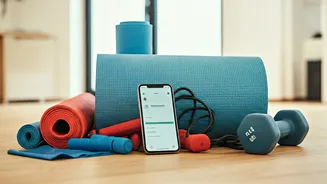
The single biggest driver of the gym-free movement is the smartphone in your pocket. Fitness apps and YouTube channels have exploded in popularity, offering everything from high-intensity interval training (HIIT) to dance cardio and guided strength sessions.
Brands like Cult.fit (formerly Cure.fit) have successfully built massive digital ecosystems, while international apps like Nike Training Club and an endless supply of free YouTube tutorials from creators like Gaurav Taneja (Flying Beast) have made expert-level guidance available on demand. This approach eliminates travel time, works around any schedule, and provides a level of privacy many people prefer. All you need is a mat, a bit of space, and the motivation to press play.
2. Embracing Bodyweight and Calisthenics
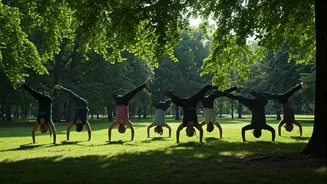
Who needs dumbbells when you have gravity? Bodyweight training, or calisthenics, has become a cornerstone of modern fitness. It focuses on using your own body as resistance through exercises like push-ups, squats, lunges, and planks. The beauty of this method lies in its simplicity and scalability. Beginners can start with modified versions, while advanced practitioners can progress to complex movements like muscle-ups and pistol squats. It builds functional strength, improves mobility, and can be done literally anywhere — in your living room, a local park, or even a hotel room. This return to basics proves that the most effective fitness tool is the one you have with you at all times: your own body.
3. The Great Outdoors as Your New Gym
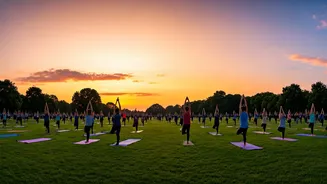
India's parks, running tracks, and open spaces are buzzing with new energy. Running and cycling have seen a massive surge, transforming from niche hobbies into mainstream fitness activities. Communities and running clubs have sprung up in cities like Bengaluru, Mumbai, and Delhi, providing social motivation and structure. For many, a morning run or an evening cycle is not just exercise but a form of moving meditation and a way to connect with their city. Beyond cardio, public parks are increasingly used for yoga sessions, group bootcamps, and calisthenics. This shift reconnects fitness with fresh air and nature, offering mental health benefits that a sterile gym environment often can't match.
4. The Enduring Power of Yoga
While yoga is an ancient Indian practice, its modern revival as a holistic fitness solution is more relevant than ever. It perfectly aligns with the desire for a workout that strengthens the body and calms the mind. Yoga requires minimal equipment and focuses on flexibility, balance, and core strength, making it an ideal at-home practice. The proliferation of online yoga classes and apps allows people to practice under the guidance of experienced teachers from around the world. It’s a low-impact, highly effective discipline that counters the sedentary stress of modern life, making it a sustainable, lifelong fitness habit rather than a temporary goal.
5. Building Your Own Fitness 'Stack'
The new normal isn't about choosing one alternative to the gym; it's about curating a personal fitness 'stack'. This might look like two days of running, two days of app-based strength training, and one day of restorative yoga. People are mixing and matching to keep things interesting and target different fitness components. Wearable technology like smartwatches and fitness trackers play a crucial role here, helping individuals monitor their activity levels, track progress, and stay motivated. By combining different modalities, you can create a well-rounded routine that prevents boredom, reduces the risk of injury, and is perfectly tailored to your goals, lifestyle, and budget.