




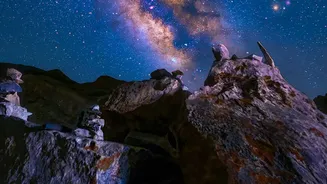
The Quest for Celestial Clarity
Dark-sky tourism, or astrotourism, is travel for the specific purpose of seeing the night sky in its full, unobscured glory. For a growing number of Indians, the chance to witness the Milky Way or a meteor shower is becoming as compelling as visiting
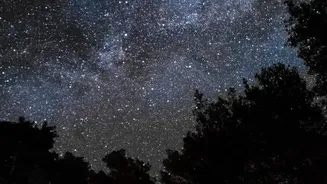
a famous monument. It’s a response to rampant light pollution in urban centres, where excessive and misdirected artificial light has made the cosmos invisible to millions. This push from polluted cities, combined with a renewed interest in nature and recent successes of India's space missions, has transformed stargazing from a niche hobby into a mainstream travel goal.
Hanle: India’s Starry Sanctuary
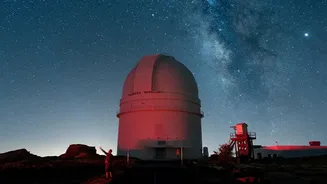
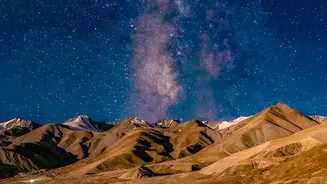
The remote village of Hanle in Ladakh is the epicentre of this movement. Sitting at a high altitude with a dry climate and minimal atmospheric disturbance, it offers some of the clearest skies in the world. In 2022, the area was designated India's first official Dark Sky Reserve, a collaboration to protect its pristine nights for scientific research and sustainable tourism. The impact was immediate and profound. Before the designation, Hanle received about 5,000 visitors annually. That number has since surged, demonstrating a massive appetite for authentic celestial experiences. This has put Hanle on the map not just for astronomers, but for anyone seeking cosmic wonder.
A Ripple Effect on Rural Economies
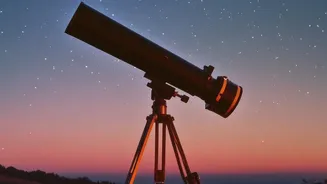
The rise of astrotourism is proving to be a powerful engine for local economic growth in areas that have traditionally relied on agriculture or pastoralism. In Hanle and other emerging destinations, this new form of tourism creates diverse, year-round income streams. Local residents are being trained as 'Astronomy Ambassadors' and telescope operators, guiding visitors through the constellations. This has spurred a boom in homestays, with families upgrading their facilities to cater to stargazers. This model of community-centric tourism ensures that the economic benefits are distributed locally, empowering residents and providing them with a stake in preserving their unique environment.
Beyond Ladakh: Other Emerging Hubs
While Hanle is the poster child, the dark-sky movement is spreading across India. The Spiti Valley in Himachal Pradesh is another high-altitude haven where the state government is actively promoting astrotourism by training local entrepreneurs. Other destinations gaining popularity include parts of Uttarakhand like Kausani and Mukteshwar, the Rann of Kutch in Gujarat, and Coorg in Karnataka. Private companies and startups are establishing observatories and organising stargazing camps in these regions, responding to the growing demand. This diversification shows that the potential for astrotourism exists wherever clear, dark skies can be found.
Conservation and a Sustainable Future
Perhaps the most significant benefit of dark-sky tourism is its inherent link to conservation. By turning the night sky into a valuable economic asset, it creates a powerful incentive for communities and local governments to combat light pollution. This involves adopting smart lighting policies, such as using shielded, downward-facing fixtures that reduce glare and energy consumption. Protecting the darkness is not just for stargazers; it's crucial for nocturnal wildlife, whose navigation and breeding patterns are disrupted by artificial light. In this way, astrotourism fosters a symbiotic relationship where preserving the natural environment directly supports economic prosperity.