






Why Winter is a Critical Season
For many strawberry varieties, winter is not a time of death, but a necessary period of rest. This phase, known as dormancy, is triggered by shorter days and cooler temperatures. During this time, the plant conserves energy, preparing for vigorous growth
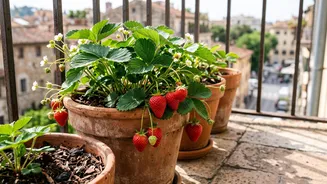
and fruit production when warmth returns. Potted plants are more vulnerable than those in the ground because their roots are exposed to cold from all sides, not just the top. The small volume of soil in a pot can freeze solid, thaw, and refreeze, causing severe damage to the root system. Proper winter management isn't about keeping the plants warm and growing; it's about protecting the dormant roots and crown from extreme cold, drying winds, and waterlogged soil that can lead to rot. This careful protection is what ensures your plants wake up healthy and ready to produce fruit.
Adjusting Care for Indian Winters
Winter conditions vary dramatically across India, so your approach must adapt to your local climate. In northern regions like Delhi, where frost is a real possibility, protecting your plants is paramount. In contrast, coastal cities like Mumbai or southern areas like Bangalore experience milder winters where plants may slow down but not enter full dormancy. In these milder zones, the focus shifts from frost protection to managing water and ensuring plants don't get stressed by unseasonal warm spells. Regardless of your location, winter care means reducing watering, stopping fertilisation, and giving the plant a break. The goal is to mimic the natural cycle the plant needs to thrive.
Preparing Your Pots for the Cold
As autumn cools, start preparing your strawberry plants for their winter rest. First, clean up the pots by trimming away any dead or decaying leaves. This simple step helps prevent fungal diseases from taking hold during the damp, cool months. It’s also a good time to check for any pests that might be hiding under the foliage. Crucially, reduce the frequency of watering. As the plant’s growth slows, its need for water decreases significantly. Avoid the temptation to fertilise; feeding your plants now would encourage weak, tender new growth that is highly susceptible to cold damage. Allow the plants to harden off naturally as they experience the gradual drop in temperature.
Smart Watering and Frost Protection
Overwatering is one of the biggest dangers for potted plants in winter. Cold, soggy soil is a recipe for root rot, which will kill a plant far more surely than a mild frost. The rule of thumb is to water only when the top inch or two of soil feels dry to the touch. Dry soil can freeze faster than moist soil, so don't stop watering entirely, but be very conservative. In regions with frost, protecting the roots is key. Grouping pots together against a house wall can create a warmer microclimate. For added insulation, wrap pots in jute sacking or bubble wrap, making sure to leave the drainage holes clear. Placing pots on a wooden plank or a sheet of polystyrene can also prevent cold from seeping up from a concrete balcony floor.
Caring for Plants in Milder Climates
If you live in an area with no frost, your strawberries may not go fully dormant but will still enter a period of slower growth. The main task here is careful water management. Continue to check the soil moisture and water sparingly, as the combination of cool temperatures and wet soil remains a risk for root rot. Ensure your pots receive adequate sunlight, which can be less intense during winter months. At least five to six hours of direct sun is ideal to keep the plants healthy. Even without the threat of freezing, it's wise to shelter plants from strong winter winds or heavy monsoon rains that can damage foliage and saturate the soil. This resting phase, even if mild, is vital for the plant to gather strength for the main fruiting season ahead.