



Plan Like a Pro
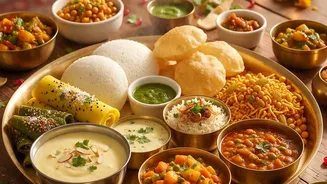
The first step to reducing waste happens before you even start cooking. Finalise your guest list and plan your menu with precision. Consider balancing rich, heavy dishes with lighter ones. A good rule is to have a mix of dry and gravy-based preparations.
Crucially, cook for the number of people attending, not with a vague estimate. If you're expecting 15 adults, plan portions for 15, not 25. It's a common practice to over-cater, but a clear plan helps resist this urge, saving both money and food. Also, before you go shopping, take a thorough inventory of your pantry and fridge. Use what you already have before buying more.
Smart Storage is Key
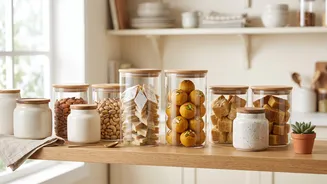
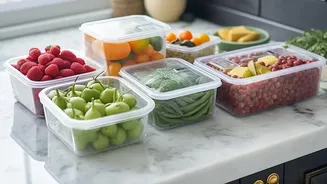
How you store food is critical, especially in India's varied climate. Store leafy greens like coriander and mint by washing, drying them completely, and then wrapping them in a paper towel inside a container. Keep onions and potatoes in a cool, dark, and ventilated spot, but store them separately to prevent them from sprouting faster. For cooked food, use clear, airtight containers. This not only keeps the food fresh and prevents odours from mixing in the fridge but also ensures that leftovers aren't forgotten at the back. Adopting a 'First In, First Out' (FIFO) system, where you place older items at the front, ensures they get used first.
Get Creative With Leftovers
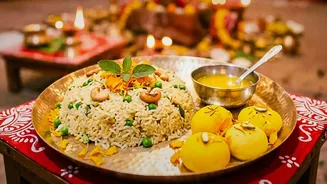
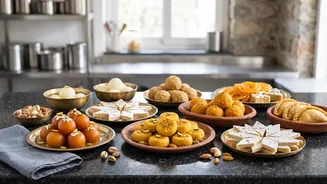
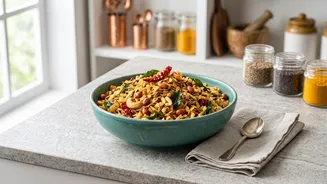
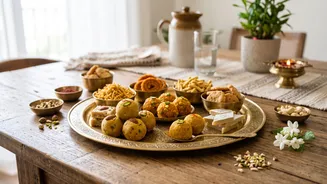
Leftovers are not an end but a new beginning. Instead of just reheating, transform them into exciting new dishes. Leftover rice can be quickly turned into delicious lemon rice or fried rice for the next day's breakfast. A thick dal from the night before can be used to knead soft and nutritious dough for parathas or rotis. Leftover curries and dry vegetable preparations make for excellent fillings in sandwiches, wraps, or even dosas. Even leftover sweets like motichoor ladoos or kaju katli can find a new life; crumble them over ice cream, blend them into milkshakes, or use as a base for innovative desserts like cheesecakes.
Mindful Serving Strategies
Indian hospitality is legendary, but generosity doesn't have to mean waste. When serving, use smaller serving spoons for rich dishes. Encourage guests to take smaller portions initially, reminding them they are welcome to have seconds. This simple psychological trick prevents 'plate waste'—food that is served but left uneaten. For large gatherings, a buffet can sometimes lead to guests over-filling their plates. A more controlled, course-by-course service, if practical, can manage portions better. If a buffet is the only option, arranging the plates at the end of the line, after the food, can subtly encourage people to take only what they can carry.
Repurpose Your Scraps
Don't be so quick to throw away peels, stems, and stalks. Many parts of vegetables we consider 'waste' are perfectly edible and nutritious. Vegetable peels from carrots, potatoes (if organic), and lauki can be collected to make a flavourful homemade broth. Simply simmer them in water with some basic spices. Cauliflower and broccoli stems, which are often discarded, can be chopped finely and added to sabzis, soups, or stocks. This 'root-to-stem' approach to cooking is a traditional Indian practice that is both sustainable and economical. For unavoidable organic waste, composting is an excellent solution to enrich your garden soil.
Share the Abundance
If, despite your best efforts, you end up with a large quantity of untouched, surplus food, the best thing to do is share it. Inform neighbours, building security staff, or domestic help that you have extra food. In many cities, there are now organisations and food banks that specialise in collecting excess food from homes and events to distribute it to those in need. A quick search online can connect you with local NGOs like Feeding India or the Robin Hood Army. This ensures that your surplus food nourishes someone instead of ending up in a landfill.