







The Alluring Risk
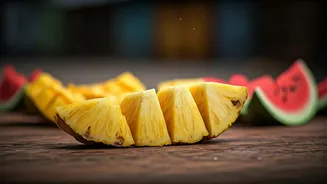
Street vendors across India offer a welcome respite from the heat with their neatly arranged platters of watermelon, pineapple, and papaya. These ready-to-eat fruit bowls are convenient, affordable, and seem like a healthy choice. However, the very process
that makes them so appealing—being pre-cut and exposed—is what turns them into a potential health hazard. Without the fruit's natural protective skin, the exposed flesh becomes a perfect breeding ground for harmful bacteria. Health officials consistently raise warnings, especially during summer and monsoon seasons, as cases of foodborne and waterborne diseases like typhoid, cholera, and gastroenteritis see a sharp spike, often linked back to contaminated street food.
The Contamination Trail
The journey from whole fruit to a contaminated snack involves several risk factors. The primary culprit is often contaminated water used to wash the fruits, the knives, or the cutting boards. A knife used to cut multiple fruits can transfer bacteria from one to another, spreading contamination rapidly. Furthermore, fruits are often left uncovered for long hours in the open, exposed to dust, pollution, and flies, which are known vectors for disease-causing germs. The hands of the vendor, who may also handle cash, can introduce pathogens. Warm weather accelerates this process, allowing bacteria like Salmonella to multiply every 30 minutes on the sugary surface of the fruit.
Understanding Typhoid Fever
Typhoid fever is a serious bacterial infection caused by Salmonella Typhi. It is typically spread through the ingestion of contaminated food or water. Once ingested, the bacteria multiply and spread into the bloodstream. Symptoms usually begin 6 to 30 days after exposure and include a high, gradually increasing fever, headache, weakness, muscle aches, and abdominal pain. Some people may also experience constipation or diarrhoea and a rash of rose-coloured spots. If left untreated, typhoid can lead to severe complications and can be life-threatening.
Recognizing the Warning Signs
Early symptoms of typhoid can be similar to other common illnesses, making it tricky to self-diagnose. Key indicators include a prolonged fever that may reach up to 104°F (40°C), persistent headache, fatigue, and loss of appetite. Gastrointestinal issues like stomach pain, and either diarrhoea or constipation, are also common. If you experience a high fever after consuming food or water from a potentially unsafe source, it is crucial to seek medical attention immediately. Early diagnosis and treatment with antibiotics are vital for a quick recovery and to prevent serious complications.
How to Enjoy Fruits Safely
The risk doesn't mean you have to give up enjoying delicious summer fruits. The safest approach is to buy whole, uncut fruits. The simple rule is: boil it, cook it, peel it, or forget it. Choose fruits you can peel yourself, like bananas and oranges. For fruits like watermelon or apples, take them home and wash them thoroughly under clean, running water before cutting them yourself with clean utensils. Avoid buying fruits with broken or bruised skin. When eating out, always prefer food that is served piping hot, as the heat kills most harmful bacteria. By taking these simple precautions, you can enjoy the nutritional benefits of fruits without the risk.