



The Sun's 11-Year Rhythm
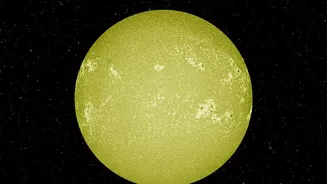
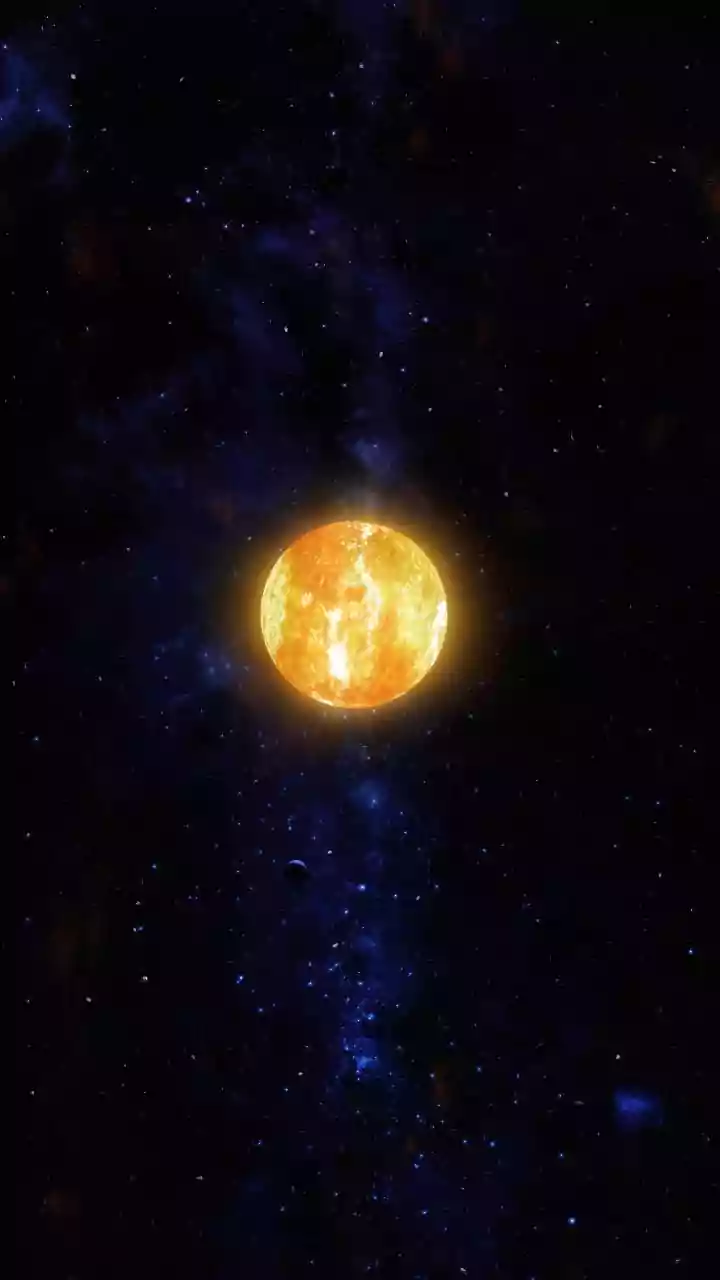
The sun operates on an approximately 11-year cycle, swinging between a quiet period known as the solar minimum and a turbulent peak called the solar maximum. This rhythm is driven by the sun's magnetic field, which flips its polarity every cycle. During
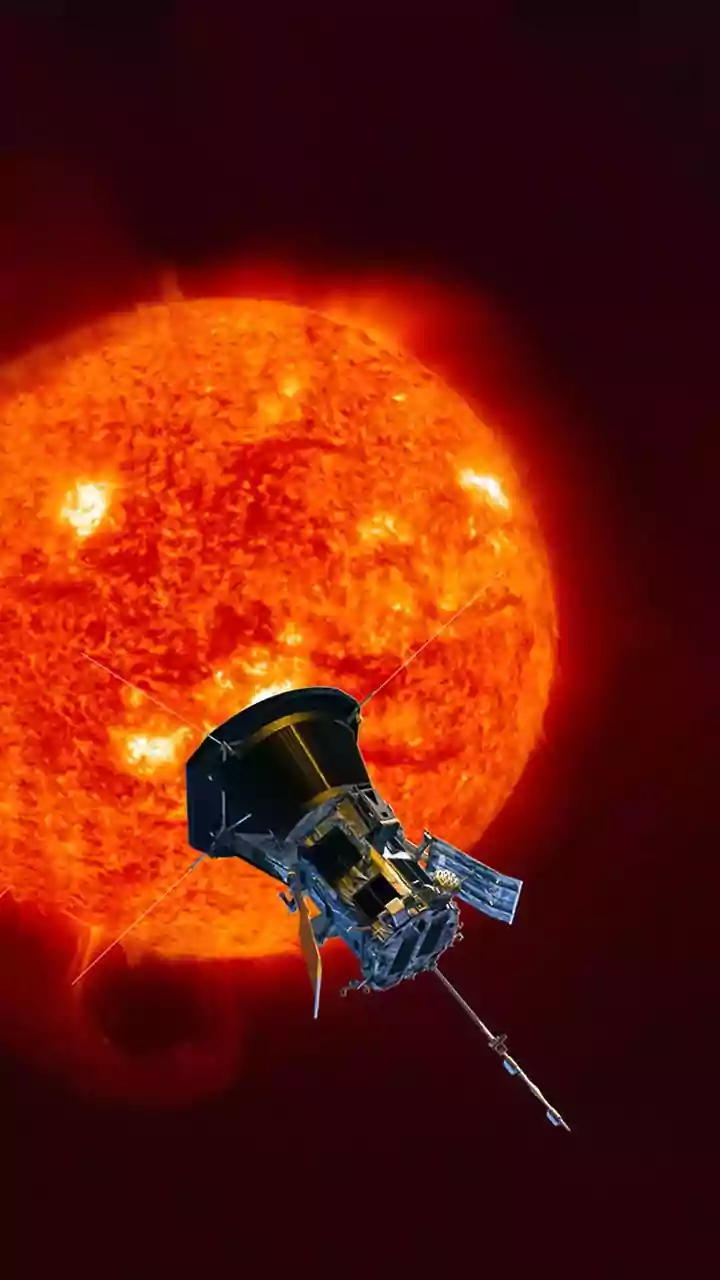
solar maximum, the sun's surface becomes littered with sunspots—dark, complex magnetic regions that are breeding grounds for solar storms. While the headline points to 2026, scientific consensus has shifted; data from NASA and NOAA indicates that the peak of the current cycle, Solar Cycle 25, began in 2024 and is expected to continue through 2025. This cycle has already proven to be significantly more active than originally predicted.
Solar Eruptions: Flares and CMEs
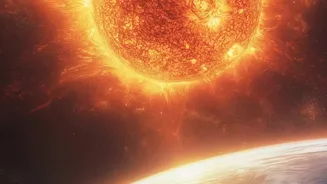
When magnetic energy builds up in sunspot regions, it can be released in two major ways: solar flares and coronal mass ejections (CMEs). A solar flare is an intense burst of radiation that travels at the speed of light, reaching Earth in about eight minutes. These flares can cause immediate radio blackouts on the sunlit side of our planet by disrupting the ionosphere. CMEs, on the other hand, are colossal eruptions of solar plasma and magnetic fields that are hurled into space. They travel more slowly, taking anywhere from a few hours to several days to reach Earth, which gives scientists time to issue warnings.
From Eruption to Geomagnetic Storm
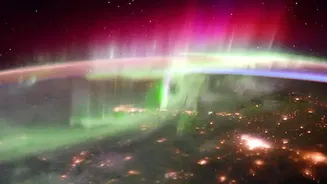
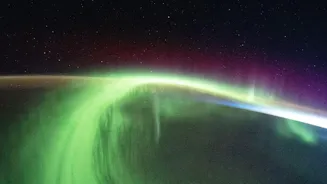
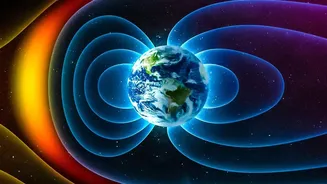
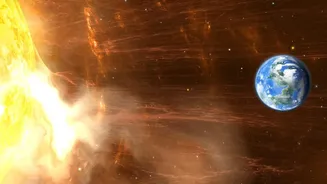
A geomagnetic storm occurs when a CME or a high-speed stream of solar wind slams into Earth's protective magnetic bubble, the magnetosphere. This collision transfers enormous amounts of energy into our planet's magnetic environment, causing it to vibrate and fluctuate. This disturbance generates powerful electrical currents in the magnetosphere and ionosphere. While one of the most beautiful effects is the creation of spectacular auroras (the northern and southern lights) that can be seen at lower latitudes than usual, the impacts go far beyond a simple light show.
Why This Cycle Is Causing Concern
Solar Cycle 25 has been surprisingly strong, producing more sunspots and eruptions than early forecasts suggested. This heightened activity naturally increases the odds of a major, Earth-directed CME. Furthermore, recent research published in 2026 suggests that scientists may have underestimated the potential impact of extreme solar storms. A study led by NASA scientists found that previous models showing a cap on how much a geomagnetic storm could affect Earth might be flawed due to statistical biases in how the solar wind is measured. The research indicates that the impact on our technology could be up to twice as severe as previously thought during a very strong event.
Real-World Consequences on Earth
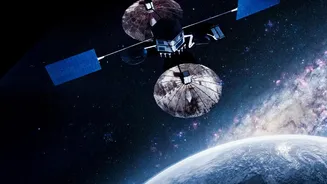
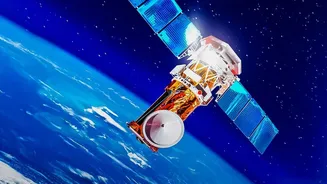
Our modern, technology-dependent society is particularly vulnerable to intense geomagnetic storms. These storms can induce powerful currents in long conductors on the ground, such as power lines and pipelines. This can overload electrical grids, potentially damaging high-voltage transformers and causing widespread, long-lasting blackouts. Satellites are also at high risk; the increased radiation can damage electronics, and the heating of the upper atmosphere increases atmospheric drag, which can cause satellites in low-Earth orbit to lose altitude and fail. Furthermore, disruptions to the ionosphere can degrade or block GPS signals and high-frequency radio communications, affecting everything from aviation to agriculture.