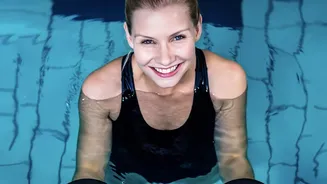









The Brain Boost: Unlocking Mental Focus
The bracing shock of cold water immersion does more than just wake you up; it triggers a significant neurochemical event in your brain. The primary player is norepinephrine, a hormone and neurotransmitter crucial for attention, focus, and mood. Studies
show that immersing yourself in cold water can increase norepinephrine levels by 200-300%, a surge that sharpens alertness and vigilance. This flood of norepinephrine is part of the body's 'fight-or-flight' response, an ancient survival mechanism. By intentionally triggering this in a controlled way, you are essentially training your brain to become more alert on command. Research participants often report feeling more active, attentive, and inspired immediately after a cold plunge. In addition, this process also prompts the release of dopamine, the neurotransmitter associated with motivation and reward. The combination of these chemicals can produce a state of heightened focus and an elevated mood that can last for hours.
Taming the Stress Response
It might seem counterintuitive that adding a stressor like a cold plunge could help you recover from chronic stress, but that's exactly how it works. This principle is called hormesis: a beneficial adaptation that occurs in response to a small, controlled dose of a stressor. The initial shock of the cold is an acute stress that your body learns to manage. Over time, this practice helps recalibrate your entire nervous system, making it more resilient to the everyday stressors of life. Regular cold exposure can lead to a reduction in the stress hormone cortisol over time, which helps foster a more resilient physiological state. This enhanced physical resilience often translates directly into greater psychological resilience.
Activating Your Inner Calm
A key part of cold hydrotherapy's stress-reducing power lies in its effect on the vagus nerve. This nerve is the main highway of your parasympathetic nervous system, which governs your 'rest-and-digest' functions and helps you calm down after a stressful event. Applying cold water to the face and neck, where the vagus nerve is dense, can trigger what's known as the 'diving reflex.' This reflex immediately stimulates the parasympathetic system, helping to slow your heart rate and promote a state of calm alertness. By practicing this regularly, you strengthen your 'vagal tone,' which is a measure of how efficiently your body can return to a calm state after experiencing stress. This makes you better equipped to handle unexpected challenges without getting stuck in a state of high alert.
How to Get Started Safely
The idea of a full ice bath can be intimidating, but you don't need to go to extremes to reap the benefits. The goal is to find a temperature that is uncomfortably cold but safe to stay in for a few minutes. Research suggests water around 10-15°C (50-60°F) is effective. You can start simply by turning your shower to cold for the last 30 seconds. Gradually, you can increase the duration or decrease the temperature. Even immersing just your face in a bowl of cold water can be enough to activate the vagus nerve and provide a quick mental reset. Aim for consistency over intensity; studies suggest that benefits like improved stress resilience accumulate with regular practice, such as a few sessions per week. A total of around 11 minutes per week, broken into shorter sessions, appears to be an effective target for many. It's important to listen to your body and never push yourself to the point of severe shivering or pain.