






The Modern Solution to a Heartbreaking Problem
Losing a pet in India is a distressing reality for many families. Pets can slip out of an open gate, get scared by loud noises, or simply wander too far. Without a reliable form of identification, the chances of a reunion can be slim. This is where digital
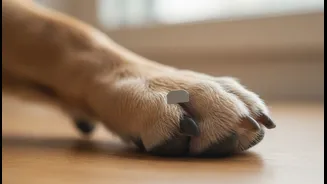
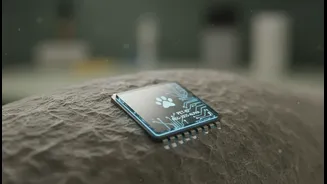
registration methods, primarily microchipping, have become a game-changer. A microchip, a tiny device the size of a grain of rice, is implanted under the pet's skin in a quick and nearly painless procedure, similar to a vaccination. This chip contains a unique identification number. When a lost pet is found, a veterinarian or an animal shelter can use a handheld scanner to read the number, look up the owner's contact information in a central database, and facilitate a swift return. Unlike collars, which can break or be removed, a microchip is a permanent form of identification that lasts a lifetime.
Why This Matters for Cats, Birds, and More
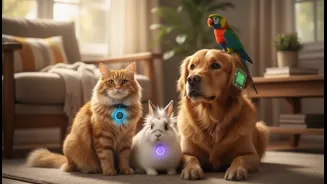
While dog registration is becoming increasingly common in major Indian cities, the conversation often stops there. However, cats and other companion animals get lost too. The same digital tools that protect dogs can offer the same peace of mind for owners of felines, birds, and other pets. Some progressive municipalities, like Ahmedabad, have recently begun making registration for pet cats mandatory, signalling a shift in perspective. The logic is simple: any pet that can get lost benefits from having a registered digital identity. This ensures that a lost cat found miles from home or a valuable exotic bird has the same chance of being identified and returned to its worried family. It also helps authorities in tracking public health concerns like rabies, which is not exclusive to canines.
The Legal Landscape and Digital Tools
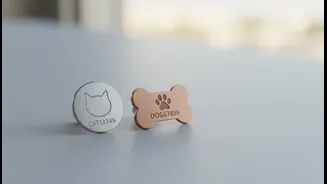
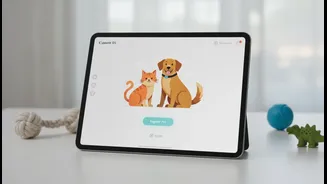
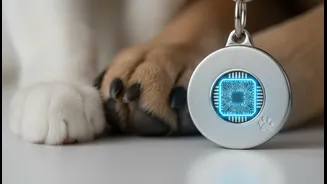
In India, pet registration isn't governed by a single national law but by local municipal corporations in cities like Delhi, Mumbai, and Bengaluru. For dogs, registration is often mandatory and requires proof of rabies vaccination, which promotes public health and owner accountability. Increasingly, these municipal registrations are moving online, making the process more accessible. Alongside microchips, QR code tags are another popular digital tool. These tags, attached to a pet's collar, can be scanned by anyone with a smartphone, instantly bringing up a digital profile with the owner's contact details, the pet's medical information, and even behavioural notes. This technology empowers any citizen who finds a lost animal to become an immediate part of the solution, bridging the gap until the pet can be taken to a vet or shelter for a microchip scan.
Benefits for the Broader Community
The impact of comprehensive pet registration extends far beyond individual reunions. When more pets are registered and microchipped, it helps reduce the overwhelming pressure on animal shelters, which are often flooded with lost animals that cannot be identified. This frees up resources to care for genuinely homeless animals. Furthermore, a registered pet is proof of ownership, which can be invaluable in cases of pet theft—an unfortunate reality where animals are sometimes stolen for resale or breeding. A microchip serves as indisputable evidence linking a pet to its rightful owner. Finally, having a database of the local pet population provides municipal bodies with crucial data for urban planning, helping them allocate resources for parks, veterinary services, and animal welfare programs more effectively.