





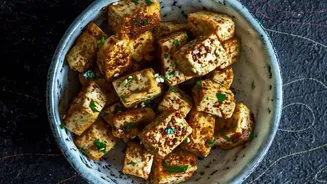

The Paneer Problem: No More Rubberiness
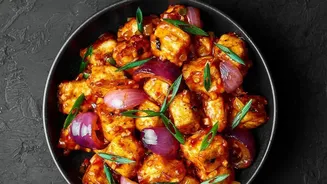
Paneer is a beloved staple in countless Indian homes, but it has a common flaw: store-bought blocks can often turn hard or rubbery when cooked. The dream is soft, melt-in-your-mouth cubes that soak up gravy, but the reality can be disappointingly chewy.
This happens because the protein structure becomes very tight when the cheese is pressed to remove excess water. Luckily, the fix is incredibly simple and takes just a few minutes of prep time.
Trick 1: The Warm Water Soak
The single most effective trick for ensuring soft paneer is to soak it in warm water. Before you start cooking, cut your paneer into cubes. Place them in a bowl and cover with warm (not boiling) water for 15 to 20 minutes. This simple step rehydrates the cheese, relaxing the proteins and restoring moisture that may have been lost during storage. After soaking, gently pat the cubes dry before adding them to your dish. This works for both fresh and frozen paneer, ensuring a tender bite every time.
Trick 2: Quick Marinades for Big Flavour
Paneer has a mild flavour, making it a perfect canvas for spices. While long marination times are great for weekends, you can achieve fantastic flavour in just 15-20 minutes on a weeknight. A simple marinade can be made with thick yogurt (or dahi), ginger-garlic paste, and your favourite powdered spices like turmeric, red chilli powder, and garam masala. Toss the paneer cubes in the marinade and let them sit while you prep your other ingredients. The yogurt not only adds flavour but also helps keep the paneer moist during cooking.
Tackling Tofu: From Bland to Brilliant
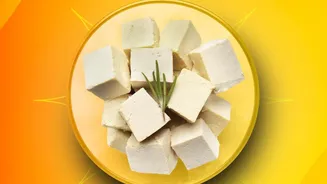
Tofu is a versatile and incredibly healthy protein source, but it often intimidates home cooks. Without the right prep, it can be watery, bland, and mushy. The secret to delicious tofu lies in removing excess water and creating a texture that can absorb sauces and become satisfyingly firm or crispy. Once you master a few basics, you'll find it's one of the quickest and most adaptable ingredients in your kitchen.
Trick 3: The All-Important Press
Firm or extra-firm tofu is packed in water, and failing to remove it is the number one reason for soggy results. Pressing the tofu is a non-negotiable step. While a dedicated tofu press is efficient, you don't need one for great results. Simply wrap the tofu block in a clean kitchen towel or a few paper towels. Place it on a plate, put another plate or a small cutting board on top, and weigh it down with something heavy like a cast-iron skillet, a few books, or some canned goods. Let it press for at least 30 minutes; even 15 minutes makes a significant difference. This process allows the tofu to brown better and soak up marinades like a sponge.
Trick 4: The Secret to a Crispy Crust
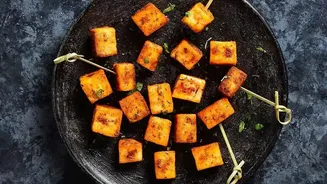
For a crispy exterior without deep-frying, a light coating of cornflour is your best friend. After pressing and cubing your tofu, toss it in a bowl with a tablespoon or two of cornflour, along with salt and any other dry spices. Ensure the cubes are lightly and evenly coated. From there, you can pan-fry the tofu in a little oil over medium-high heat. Sauté for a few minutes on each side until golden brown and crisp. This method creates a delightful texture that holds up well when tossed into sauces or stir-fries.
Trick 5: Crumble It for Quick Cooking
For the ultimate weeknight shortcut, skip the cubing and pressing and simply crumble your block of firm tofu directly into the pan. Crumbled tofu cooks much faster and is perfect for making a quick bhurji-style scramble with onions, tomatoes, and spices. Because the pieces are smaller, any excess water evaporates quickly, and the tofu browns nicely in minutes, making it an excellent high-protein filling for wraps or a quick side dish.